
Wait, You Are Really Still Reading The News? How Vintage

Source: Unsplash
About 50% of Gen Z have never used reporting networks or the radio to get their news. This choice can be attributed to two factors: the rise of social media and different forms of reporting, as well as the overwhelming feeling of constantly being bombarded with new information, which causes political burnout.
Does Gen Z still consume news?
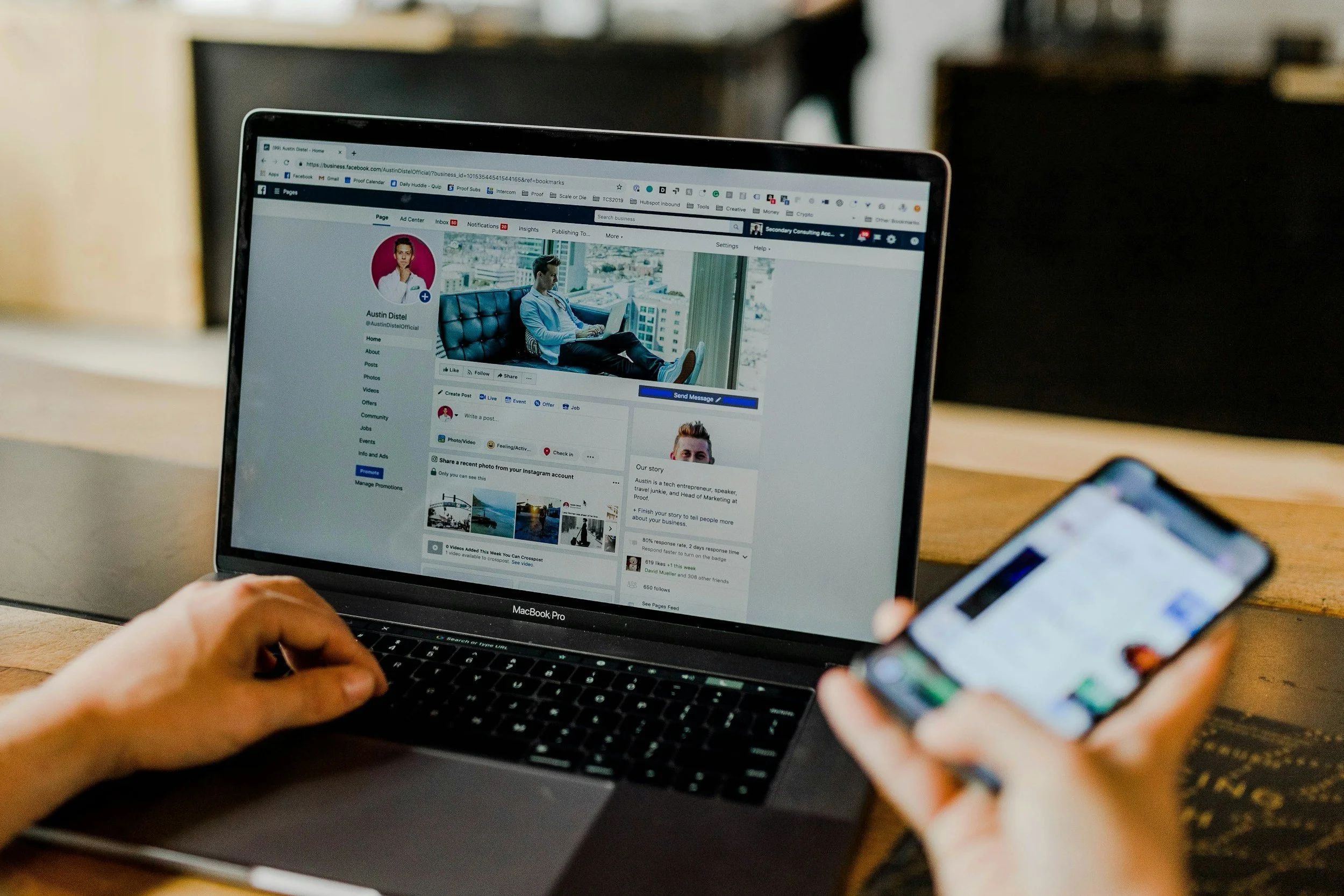
Even though they are not directly seeking them, Gen Z is being fed the news whether they like it or not. 50% of Gen Z use social media as their primary source of knowledge—among them, TikTok (63%), Instagram (62%), and YouTube (52%) are the dominant platforms for news, followed by Facebook (48%) and Twitter (31%).
Source: Unsplash
Gen Z gravitates towards social media apps because these platforms are both educational and entertaining, making it easy to switch from learning to exploring niche interests. The process of getting news turned into something you can switch on or off—becoming easier to digest by the audience without getting overwhelmed.
The president of RocaNews told Axios, “Best news consumption is digestible but enjoyable, fun, and rewarding.”
Additionally, social media apps make it accessible to get different points of view on a situation. Gen Z values authenticity and seeks content that is diverse; these platforms provide personal experiences directly from their favorite influencers. However, this factor does raise concerns regarding misinformation.
How is misinformation affecting the way Gen Z consumes news?
Source: Unsplash
Young adults trying to get informed prefer to have others decode the news for them, and only share the relevant highlights—which will directly shape the way they think about a situation. Gen Z will only read the headline of a post before heading to the comments looking for a summary. If too much scrolling is required, they will just skip the article completely.

Source: Unsplash
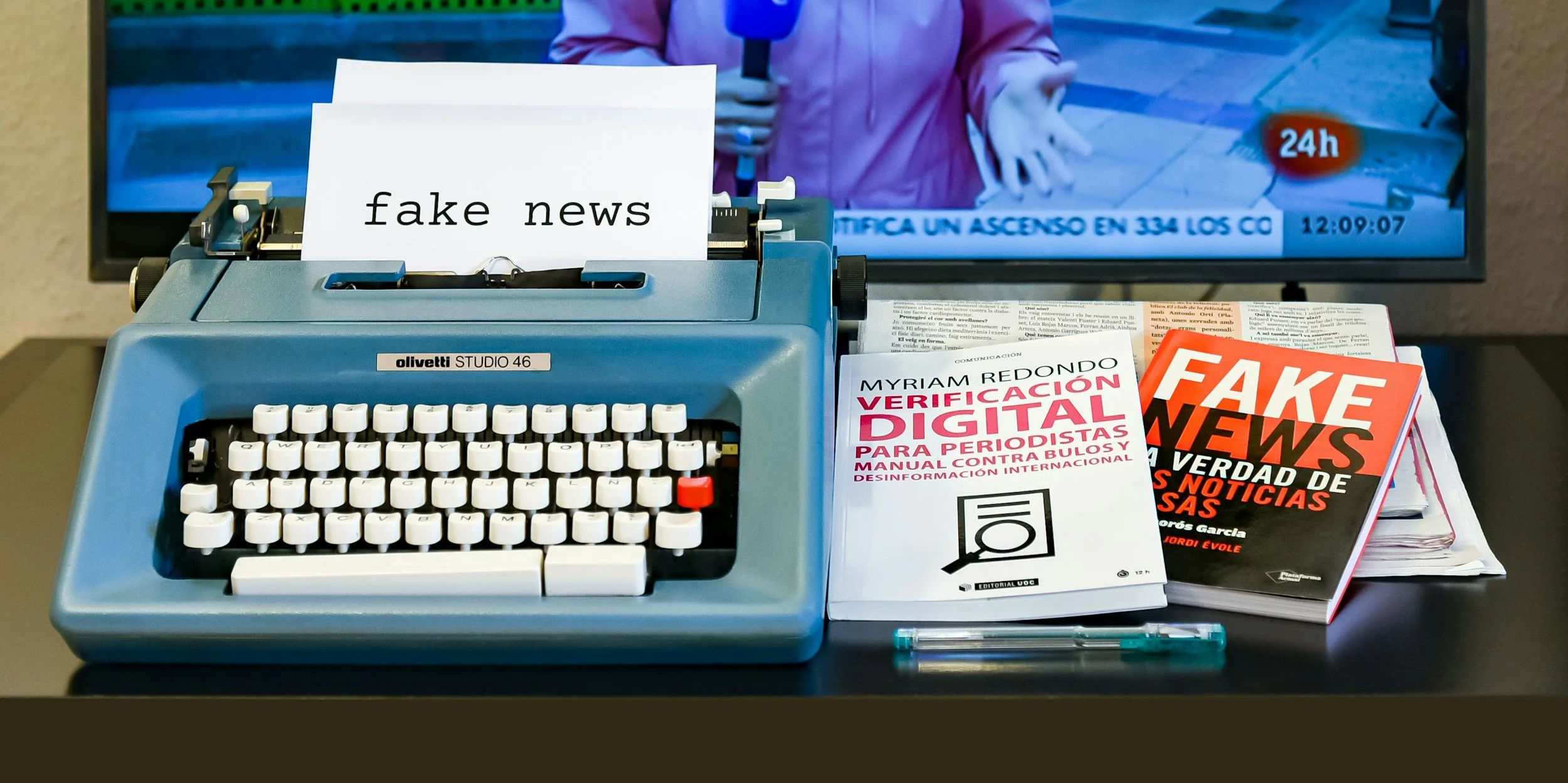
Social media is the least trusted news source in the United States. As platforms run by an algorithm, whose mission is to keep the viewer online as much as possible, they often push fake news to fulfill this job.
A study showed that fake news spreads faster than real ones. When it comes to news stories, 20% of TikToks contain some form of misinformation. Often, content is exaggerated or put out of context to make a story harder to look away from. Even though it has been proven that Gen Z knows how to fact-check and detect fake news, they don't actually do it themselves—they expect these platforms to get rid of it beforehand.
What is the future of news?

Source: Unsplash
We can expect news outlets to keep evolving—not just TikTok and Instagram but—through podcasts, sports ads, music, and in-person events. Gen Z also expressed an appetite for content beyond serious news articles, which will result in a balance between content.
And now that only 4% of the demographic still reads the news, maybe my next article will be posted as a 15-second video on TikTok!