
Thrifted, Vintage, or Both?
The power to define style has shifted from the seasonal runway to the local rack. Our generation is leading a revolution by creating amazing wardrobes that are founded on sustainability, uniqueness, and a passion for authentic products. We use terms like “thrifting” and “vintage” on a daily basis, but in order to fully grasp the secondhand market, we need to define each term.
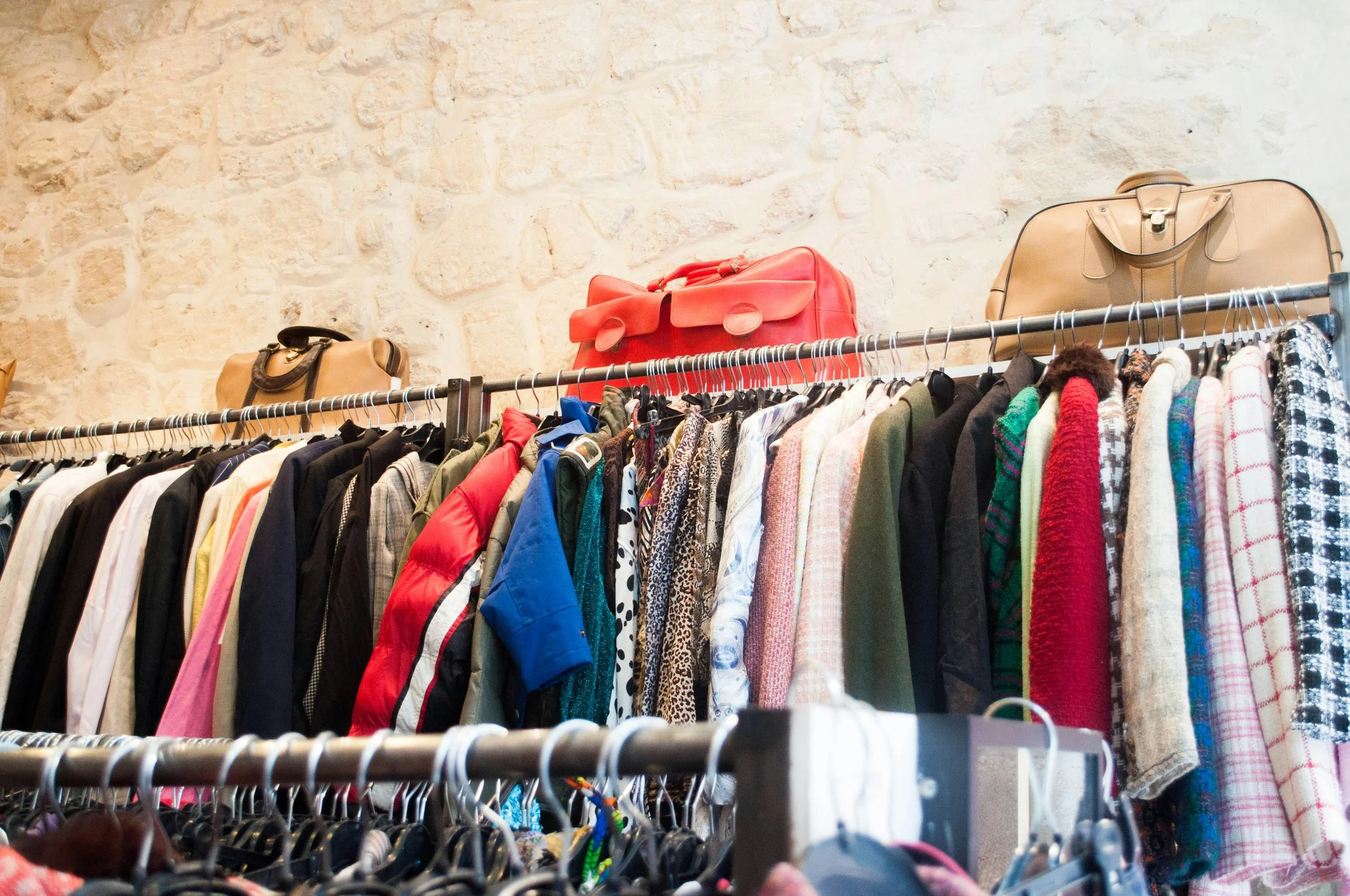
Source: Unsplash
This is about choosing better styles, not just labels. By making these concepts clearer, we can shop with greater consideration and knowledge, ensuring that we find exactly what we're searching for, whether it's a unique piece of history, a fantastic offer, or some combination of the two.
Thrifting: The Thrill of the Steal

thrifting: thrill of the hunt
Thrifting is an active activity. It is freely accessible to anyone, and limited by the deal’s low cost. Thrifting entails visiting nearby thrift stores and Goodwill, where the primary objectives are affordability and repurposing clothing. This is how our generation opposes garbage. The unexpected discovery of a high-quality item for a small fee is what makes thrifting so exciting.
However, the growing popularity of thrifting creates a problem: how can we make sure that this resource is still accessible and reasonably priced for everyone? Conscious consumption is crucial to ensuring that we hunt properly and preserve the genuine spirit of resourcefulness that characterizes the thrift store experience.
Vintage: The Artifact with a Story
A vintage piece is a portion of history, a sign of ancestry, and the reemergence of noteworthy trends and characteristics.
An item must be at least 20 years old in order to be considered for the title. Age, however, is only the beginning. True vintage has a backstory. It highlights the superior fabric, tailoring, or design that is exclusive to that particular decade. Think about an exquisitely crafted item from the 1950s or an uncommon, extremely rare designer piece from the 1990s.
For this reason, vintage is frequently priced at a premium in specialty shops. An expert has investigated, verified, and conserved the artifact. Its historical worth and the curator’s expertise are reflected in the price. While thrifting rewards creativity and a keen eye, vintage demands respect for history and craftsmanship.

Source: Pexels
The Power of Precision
The internet resale market is where these phrases are most frequently confused. The distinction between a genuinely priceless antique and a mass-produced item that is only vintage may be blurred by an intricate vendor who uses the term “vintage” merely to attract a buyer.
The informed buyer has the ability to correct this. You can shop with authority if you know the difference between the active, economical search (thrifting) and the researched, valuable piece of history (vintage).
The next time you come upon anything vintage and captivating, consider whether you are buying in a true piece of fashion history or honoring the hunt's resourcefulness. Understanding the distinction respects the entire, amazing history of the secondhand movement while also protecting the money in your wallet.
Have you ever found a vintage treasure in a thrift store? Leave a comment below.