
Comfy and Corporate: Can Doing Both Revive Lululemon?
Known for its trendy leggings, quality activewear, and yoga-inspired pieces, Lululemon is one of the top-rated athletic wear brands—blending both fashion with fitness. Although the brand is mostly fitness-centered, there are some blurred lines between workwear and athletic gear. Lululemon is exploring how it can bring its expertise in everyday comfort to the corporate wardrobe.

Lululemon is chasing what is really part of a larger lifestyle shift. Following the COVID-19 Pandemic, the demand for loungewear and comfort has boomed. Hybrid work and virtual, stay-at-home jobs remain commonplace, and consequently, corporate fashion has become more relaxed and comfort-focused. Rather than changing outfits, consumers are on the lookout for pieces that blend both professionalism with comfort and can translate from home office to the workplace to after-work activities.
Lululemon, perhaps in a search to reinvigorate its growth, has decided to capitalize on this trend with offering more polished clothes with the same technical materials that bring comfort to these professional silhouettes. The brand now offers garments such as tailored jackets, suit pants, and elevated every-day essentials that position the brand as more than just activewear and to become both suitable for in and out of the office.
While it seems like a good on-trend idea that plays into Lululemon’s strengths, it's not a shoe in. The shift poses a threat to Lululemon’s market and customer loyalty. Their identity has always been closely linked to wellness, fitness, yoga, and activity, The brand moving farther away from its identity as a whole, can confuse loyal fitness customers, and push them into the arms of a competitor, such as Alo or Vuori.
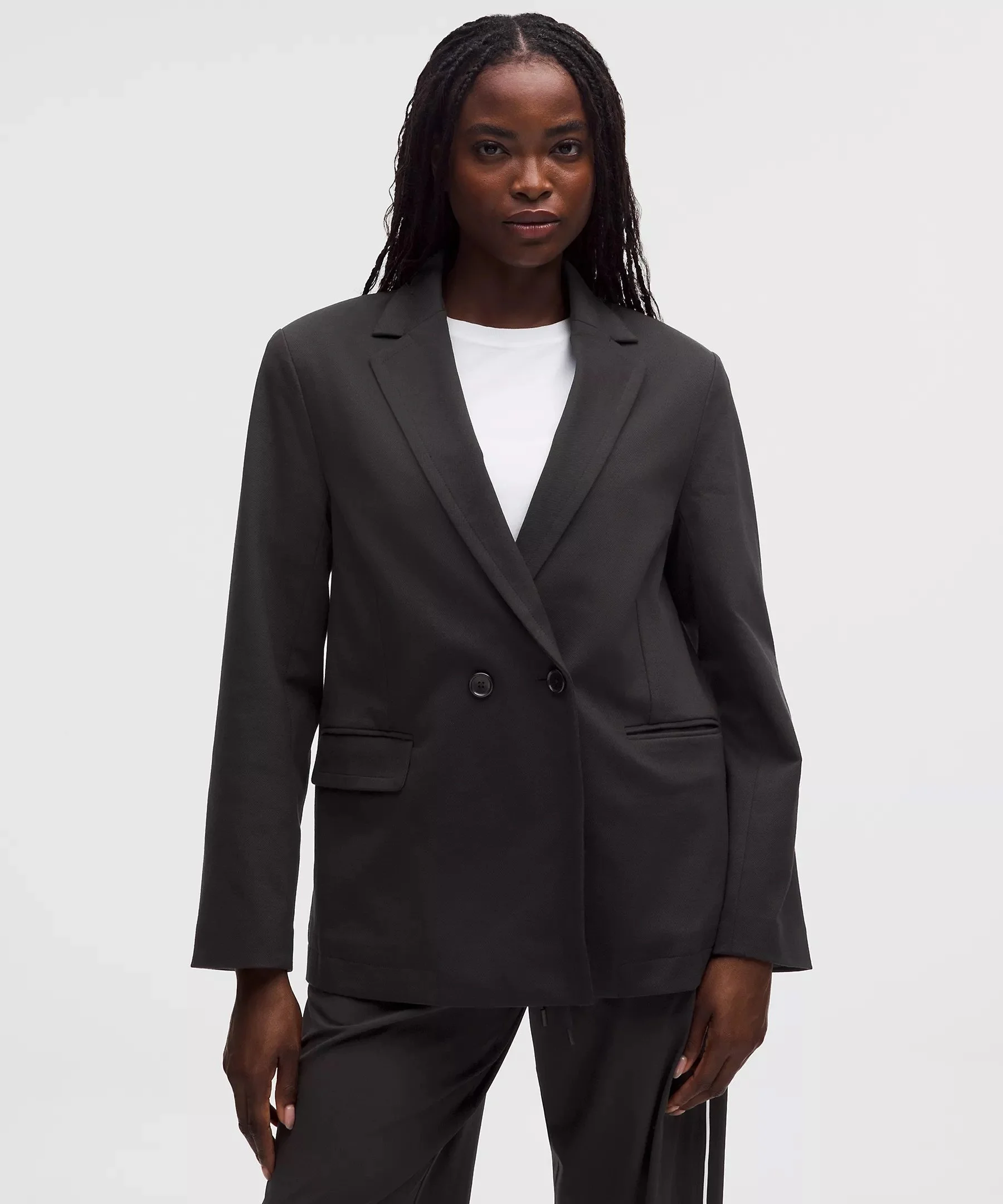
Source: Lululemon
If the company loses focus on innovating its traditional client, it could potentially damage its reputation, igniting organizational shifts that could disrupt not only sales, but the corporate culture from sales floors to offices and key departments. This will position the brand and its employees against a newer group of competitors, while not solving the challenges it faces with competitors in its traditional market.
In the end, Lululemon’s rebranding represents a complex shift to something familiar, for a new and different market, before fixing the core market and distracting from that needed goal. For these reasons, arguably, it carries more risk than opportunity.
Besides, what really sets Lululemon apart from other workwear brands? Does having a Lululemon suit jacket truly compare to something from another brand such as Aritzia or Calvin Klein? How could Lululemon truly set themselves apart from competitors? Is repositioning the brand as an office attire brand more beneficial than loyalty?
Would you wear workday attire from Lululemon? Leave a comment below.