
The Vampire Beauty Renaissance
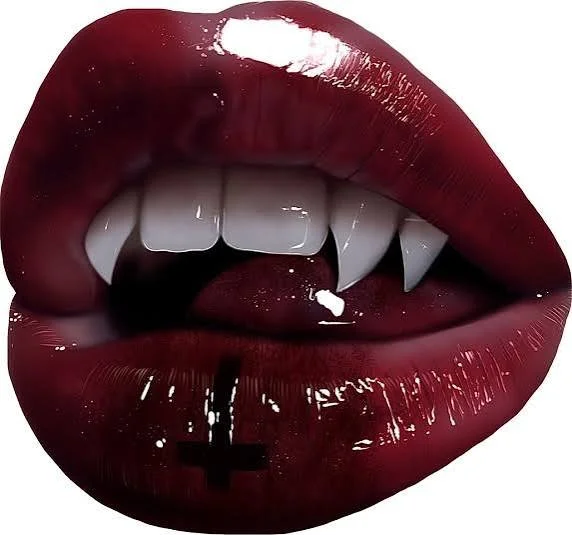
Source: PNGALL
Vampires: The Ancient blood-drinking spirits stemming from Gothic European literature of the 18th and 19th centuries. The beauty of female vampires evokes a blend of a Victorian heroine and a modern-day femme fatale. These looks are gaining popularity not just for Halloween, but for everyday looks too. Here is the article for you if you want to achieve looking like you hate garlic and can’t go into the sun, or simply just learn more about some seductive blood-sucking woman.
The History Timeline
The modern vampire look isn’t completely invented; some of its most recognizable elements include pale skin, dark hair, and flushed lips, which have roots in historical Western beauty rituals. The start of the beauty-history timeline before the Renaissance begins mainly in the Victorian era. The beauty standard and what was considered “proper” was also pale or almost translucent skin, rouge (subtly colored cheeks and lips), and an almost sickly-looking beauty.
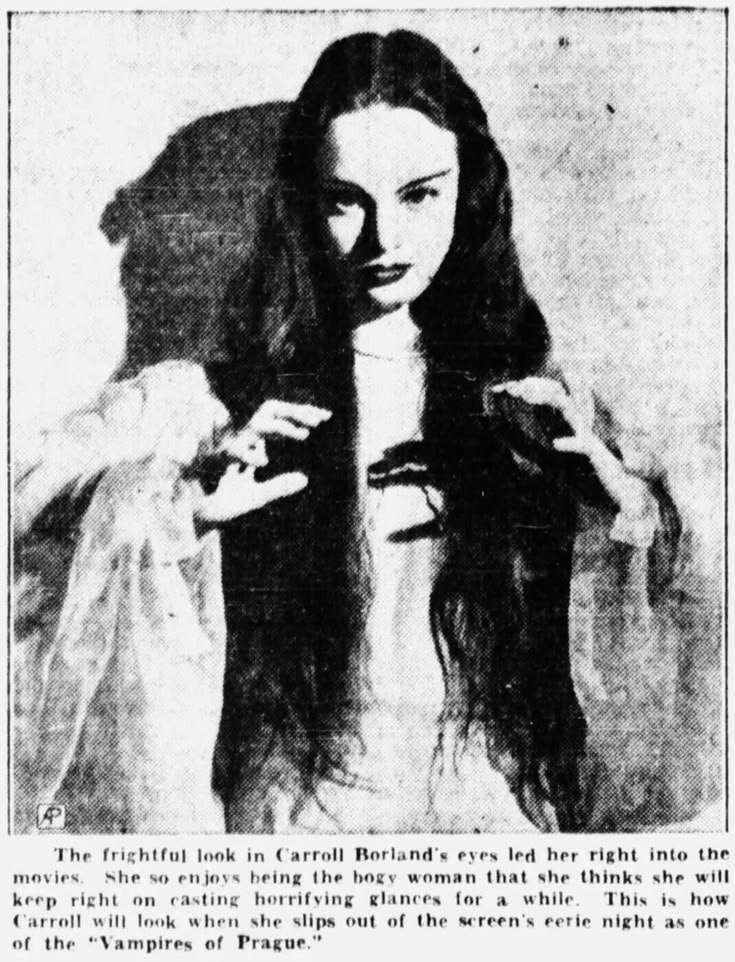
It aligns with the contradiction of looking delicate while being associated with something dangerous.
Source: Space Woman
Carmilla (1872)
Carmilla predates Dracula by twenty-five years; being published before Bram Stoker’s Dracula (1897), Carmilla helped shape the conventions of modern vampire fiction. It is also widely recognized as the literary prototype for female and lesbian vampires, exploring forbidden desire through a 19th-century lens. It became highly influential in representations of the female vampire in literature, history, transgression, sexuality, and beauty.
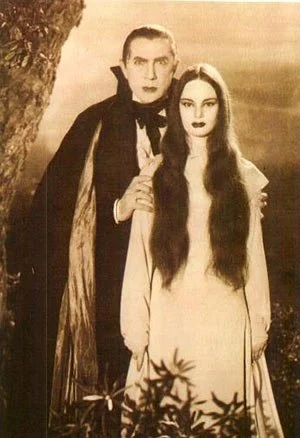
Source: Goticomania
Vampire/Victorian Beauty leaves Halloween
For decades “vampire beauty” was something most people would put on for only Halloween. A painted pale face, dramatic black eyes, and black lipstick with fake blood and fangs. Today’s interpretation isn’t always looking like a literal vampire. Instead, it borrows pieces of the archetype. Some may include: a cool, porcelain complexion, a blurred burgundy lip, smoked-out eyes, dark nails, or dyed black hair. A Vogue article I found by Verity Cheng that goes through a guide to attaining “vampire skin” displays one of the modern vampy beauty looks people wear every day. The aesthetic hasn’t necessarily become mainstream in its entirety; its visual vocabulary has.
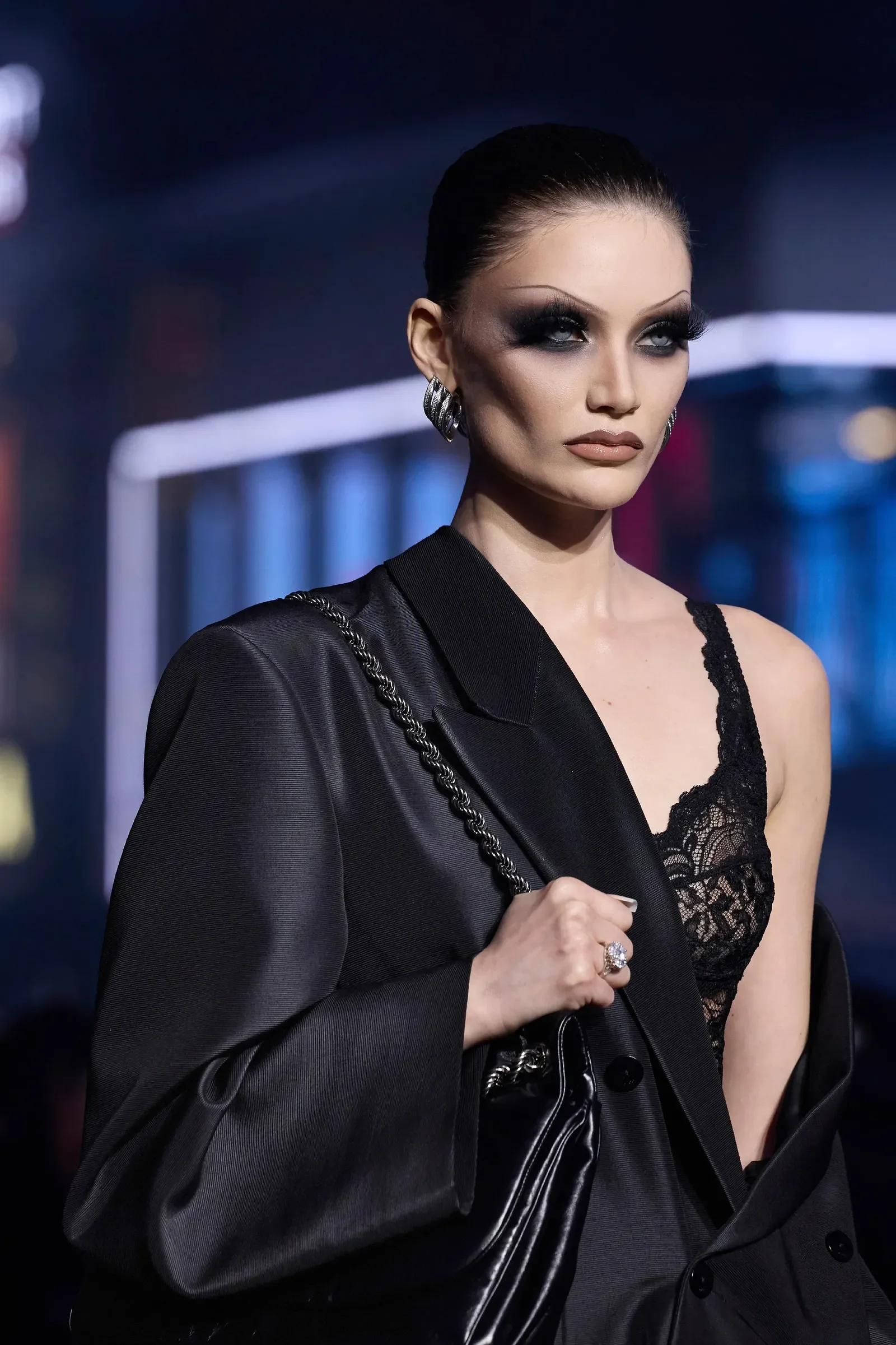
What was once associated with a specific subculture can now appear on the runway, in a Sephora display, or on someone walking into work.
Source: Vogue Arabia
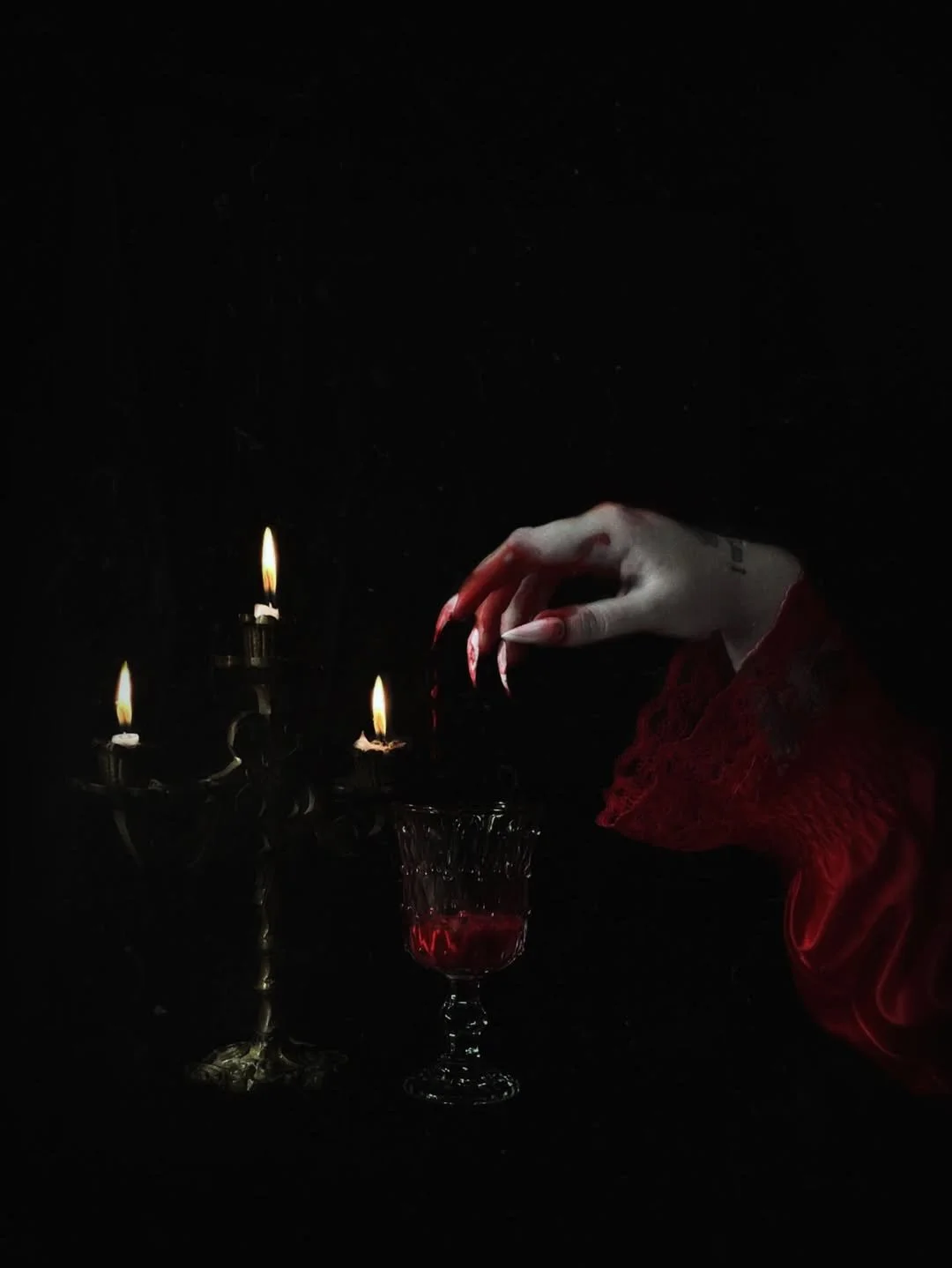
The Vampire Beauty Renaissance and modern vampires don’t necessarily look like the vampires we grew up dressing up as or seeing on screen; it may look like me now! Also seen as: dark nails, a burgundy lip, and an unhealthy attachment to black clothing. The look has become less about recreating a character and more about taking pieces of history and aesthetics and making them part of your own.
Source: Instagram
Would you rock the vampire look? Leave a comment below.