
Gen Z’s Unmatchable Horror Standards
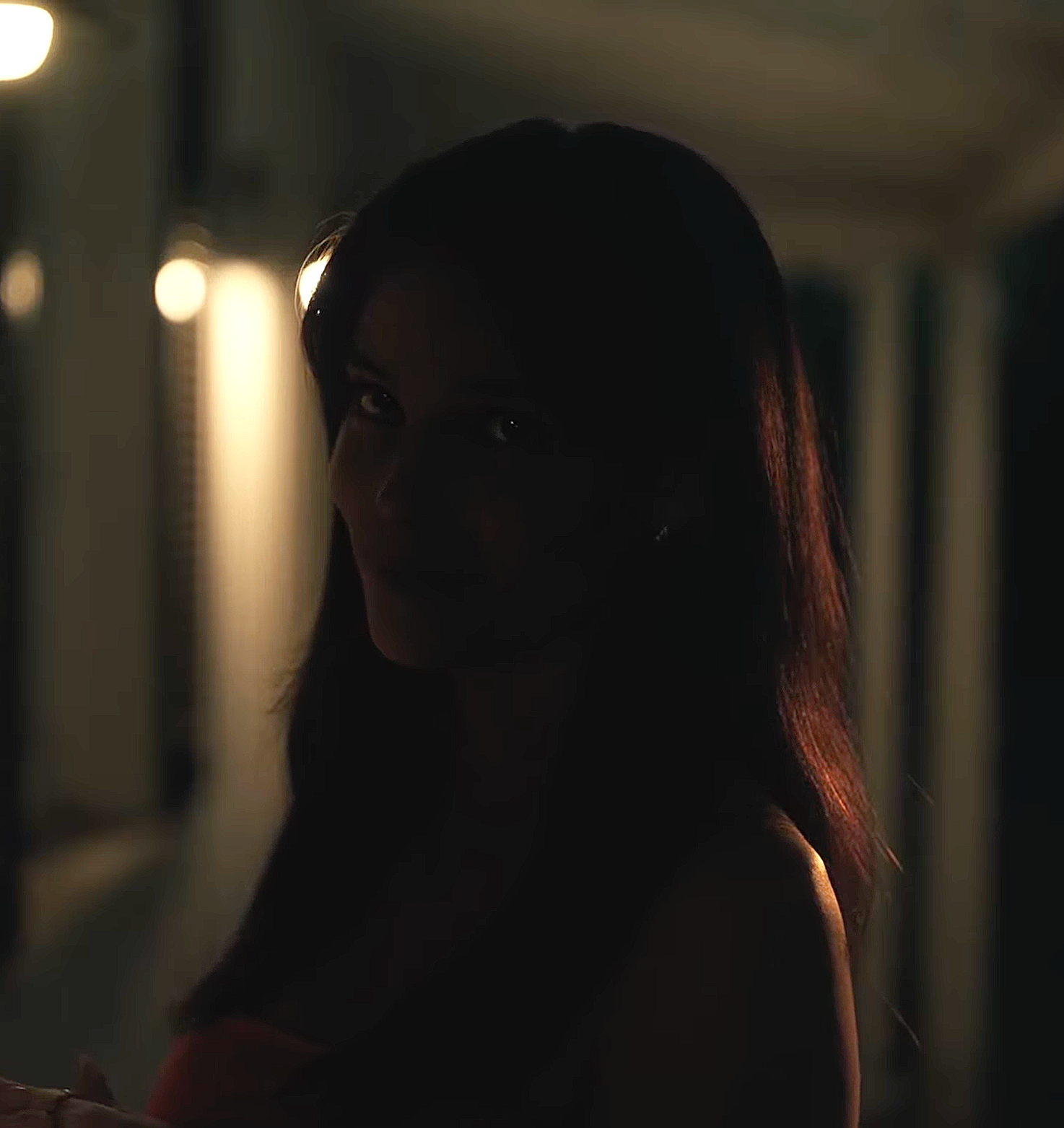
Have you ever wondered how films like Robert Egger’s “Nosferatu” and Guillermo del Toro’s “Frankenstein” generated so much buzz before and after their release? These films have single-handedly revived gothic horror in modern cinema. Released in 2024 and 2025, respectively, these two films made 2026's horror filmography simultaneously unpredictable and intriguing.
Source: Youtube
Along with the revival of Gothic media, internet/analog horror has hit the silver screen this year with big-name films like “Obsession” and “Backrooms”. These films come from two young directors: 27-year-old Curry Barker and 21-year-old Kane Parsons. Gen Z has taken the liberty of listening to the generation's demands and adapting them into film. Another director of this caliber who focuses on gothic horror is Adrian Chiarella, who recently directed “Levitivus”.
Why do these movies feel so real and raw?
Young directors like these three are vital to modern cinema.
They bring in fresh takes and ideas that restore horror's authenticity. These directors know how to get to the heart of what they’re trying to convey in their scripts, how they want scenes set, and every small detail that goes into a movie. They create atmospheres that let the plot sink in as it progresses.
Another genre adjacent to horror that has seen a box-office spike is psychological thriller.
A24 is a well-known production company recognized for its incredible psychological thriller and horror productions. Their most recent film is “Primetime”, directed by Lance Oppenheim. It follows investigative journalist Chris Hansen, played by Robert Pattinson, as he navigates his intense and dangerous career.
Psychological thrillers peak in popularity because they make you think and keep you on the edge of your seat. They’re unique because they make you feel included in the plot instead of just being a viewer.
Source: Youtube
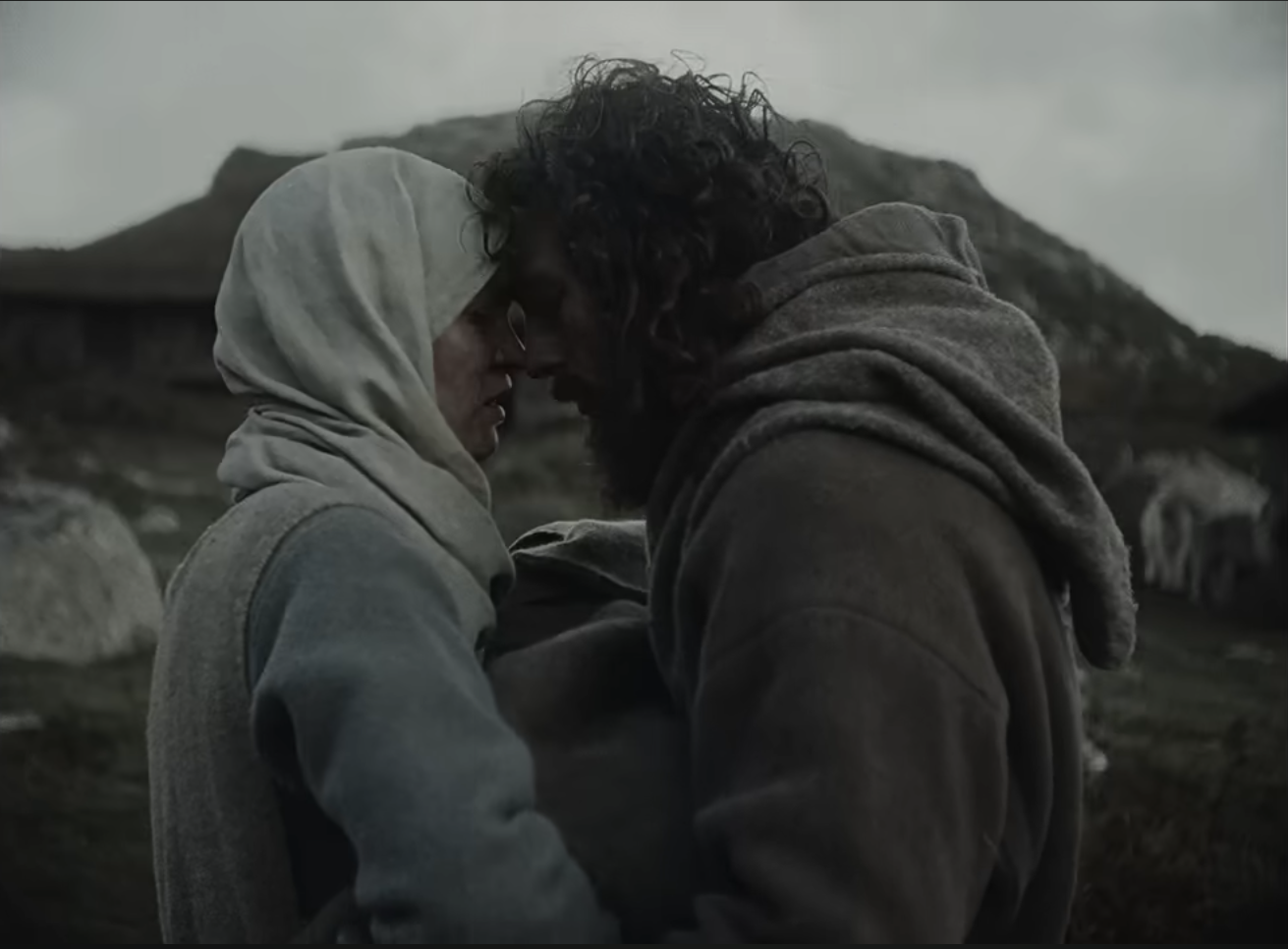
An upcoming film coming to theaters on Christmas Day is “Werewulf”, directed by Robert Eggers. This film is already on track to win awards for cinematography, costume design, and makeup. “Werewulf” is set in 13th-century England and follows actor Aaron Taylor-Johnson’s character through the horrific events that unfold.
Young directors are changing the game and creating original, disturbing, and psychologically complex films. After a standstill of repetitive movies with similar plots, these new ideas feel like a breath of fresh air for critics and audiences. Their unique storytelling draws on realism that makes every plotline feel relatable in one way or another, ensuring audience connection.
Source: Youtube
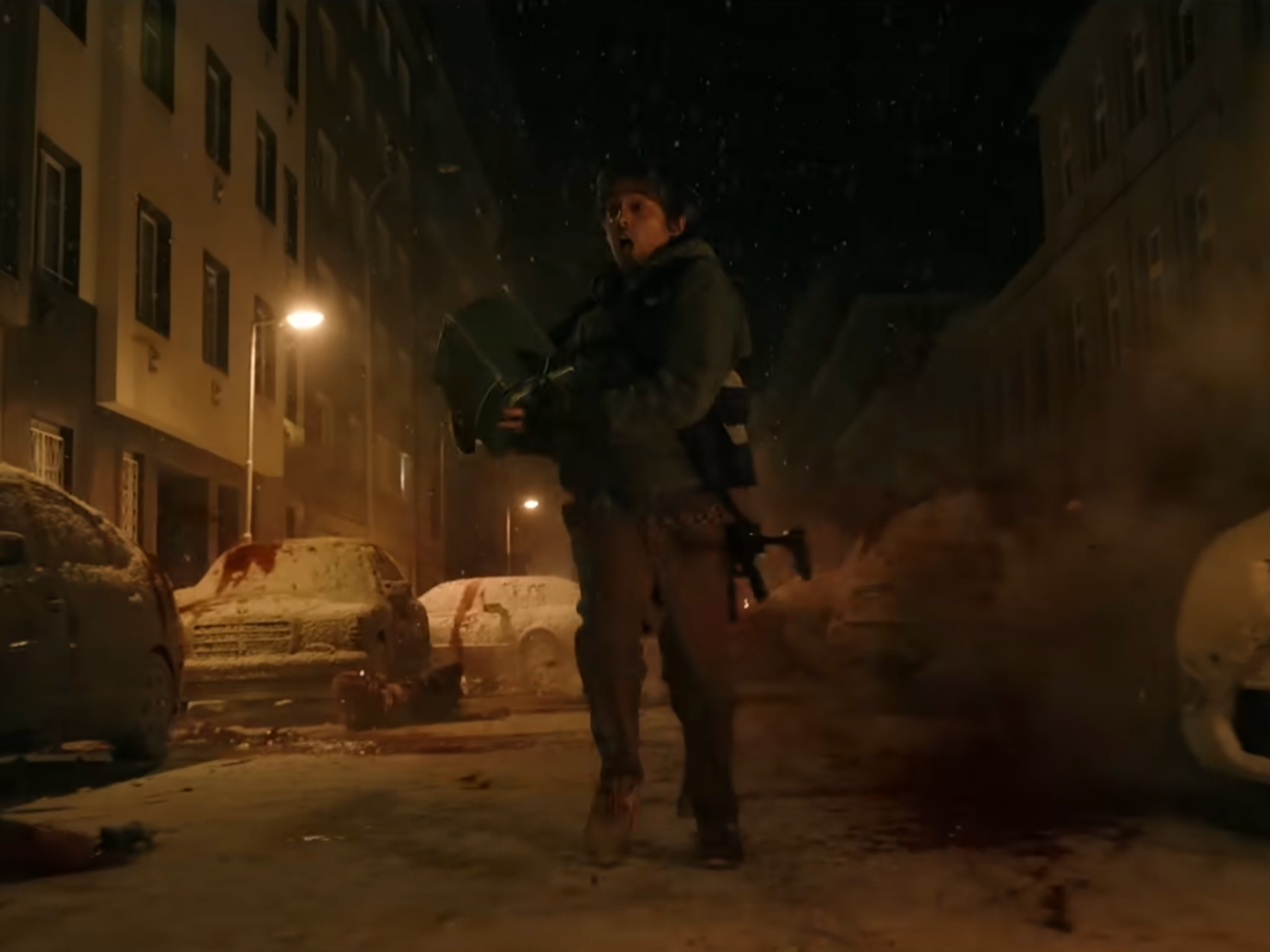
These directors also consider the cultural relevance of their concepts. “Resident Evil”, directed by Zach Cregger, is an excellent example of prioritizing cultural relevance in film. Resident Evil is a popular video game series that follows recurring protagonists as they survive in an infectious, disease-ridden environment. It has circulated online for over a decade and has influenced pop culture in many ways. Its resurgence in film this year has awakened hidden nostalgia in viewers, making it one of 2026's most sought-after films.
Unfortunately, with every positive we’ve discussed comes its negative counterpart. Bigger production studios are trying to capitalize on these new pitches, and soon these films will inevitably become repetitive. This is, unless Gen Z directors continue to come up with classic internet horror adaptations that appease the public.
Fans and critics alike hope to see more of these directors not just in the horror genre, but also in indie, coming-of-age, dark comedy, and so much more.
Do you think there will be more breakout films for up-and-coming directors? Leave a comment below!