
The Democrats Are Back: A Midterm Result That Changes The Political Conversation.
The midterm elections have delivered a major moment for American politics, with democrats making significant gains—shifting the balance of power in Washington. What is usually seen as a test of the current Presidents popularity, has become something much bigger: a reminder of how political power can change surprisingly fast, even halfway through a presidential term.

Before diving into the results, it is worth understanding exactly what the midterms are and why they are important.
Similar to Presidential elections, which take place every 4 years, midterm elections happen halfway through a President’s term every four years. They give the public an opportunity to rebalance power and choose the composition of Congress either closer aligned to the running Presidents agenda or the opposite.
All 435 seats of the House of Representatives was up for grabs alongside roughly one-third of the Senate. Although the President remains in office, the party controlling Congress has enormous influence over which laws are passed, government spending, and how closely the Presidents administration is monitored.
Midterms are not simply another election. They can completely change how much political power a President has during the second half of their Presidency.
The results of the election have made one thing particularly clear: the democrats are making a remarkable comeback. In what was described as a sweeping electoral victory, democrats have won control of both the House of Representatives and the Senate, taking Congress away from the republicans. This is particularly significant given that the republicans entered the election holding majorities in both chambers.
The shift is even more surprising when looking at individual states. Democrats flipped seven republican-held senate seats, including victories in Texas, Kansas, Iowa, Maine, North Carolina, South Carolina and Ohio. Texas was the most noteworthy, with democrat James Talarico winning a statewide Senate election in a state that has not elected a democratic senator since 1988.
These were not simply wins in democratic areas. In fact, the democrats made gains in states that had previously supported President Donald Trump in the 2024 presidential election.
Many voters are also questioning how this result turned into a major political setback for the republicans.
Much of the election campaign centered around the cost of living, rising fuel prices and overall concern about the direction of the country. For many Americans, everyday financial pressures have become increasingly difficult to ignore. Democrats were able to turn these frustrations into their central message, focusing on affordability, accountability, and the need for greater oversight of the Government.
However, it would be to simplistic to say that every voter who supported the democratic party agreed with their entire political agenda.
Midterm elections often acts as a way for the public to show their dissatisfaction with the party currently in power, rather than being in favor of the opposing party.
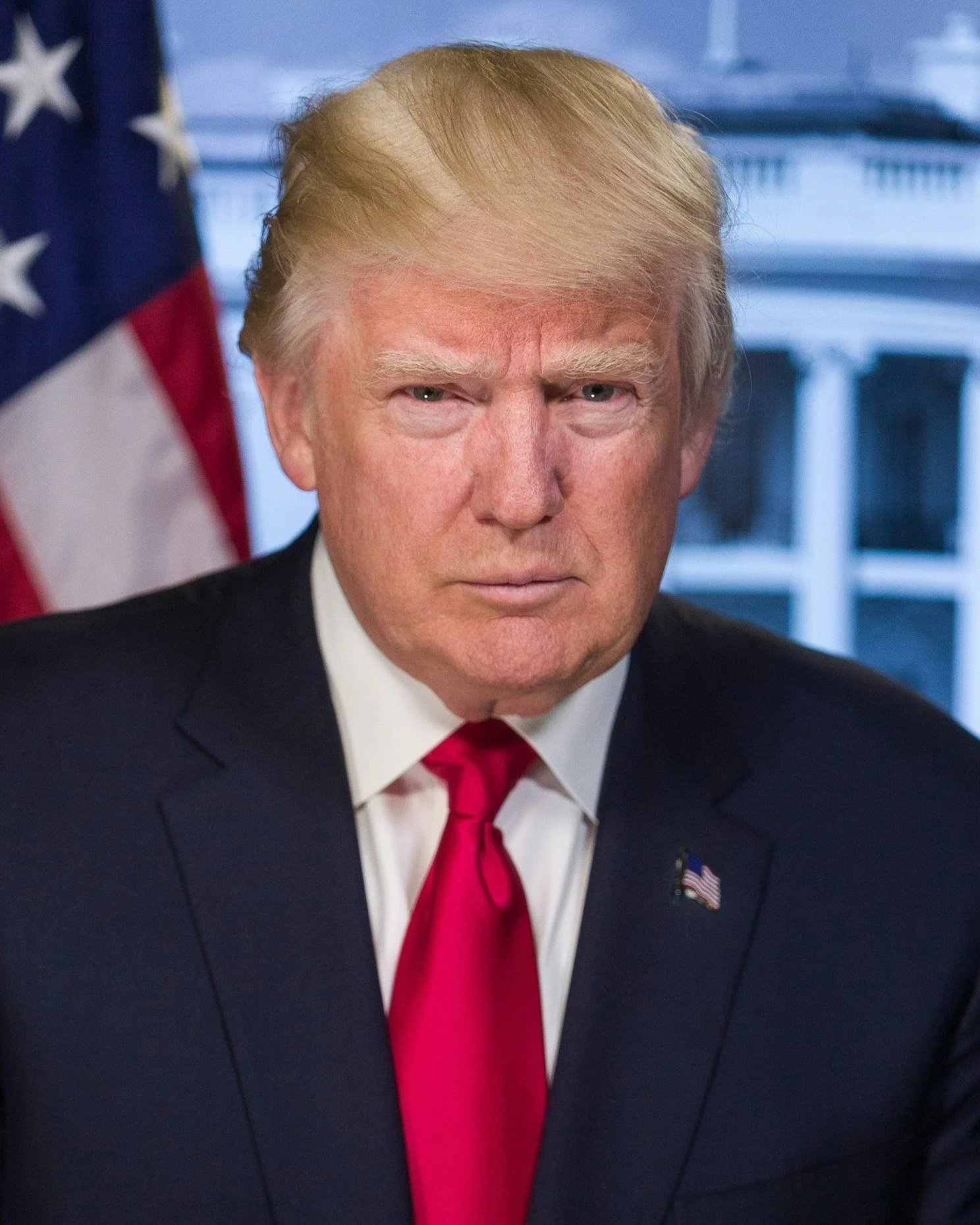
For Donald Trump, this means the landscape surrounding his administration has significantly changed. Now with the democrats controlling both chambers of Congress, the President will face large amounts of resistance when attempting to introduce new legislation. Democrats will have more power to question government decisions and scrutinize how resources are being used.
Ultimately, the midterms were never about choosing a new President, but they have delivered something more consequential: a major redistribution of power.
Do you think this is the start of a democratic comeback? Leave a comment below.