
#WokeIsBack: We're Joking But We're Not Joking
The outcome of the 2026 Midterm elections has left the youth of the United States in quite the joyous mood. A mood that they are labeling “Woke Optimism” on social media platforms, like Instagram and TikTok.
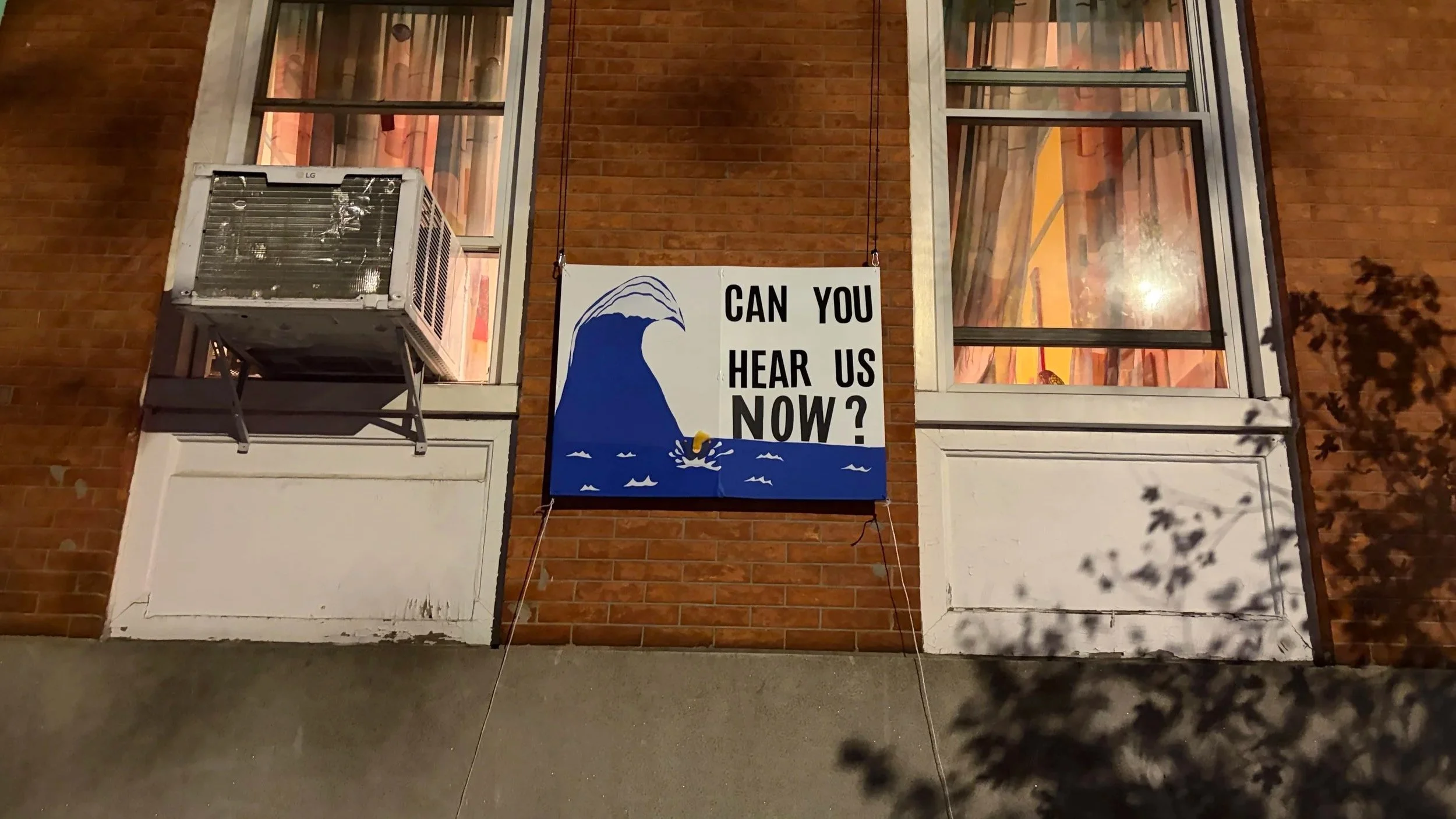
A tidal wave of blue has overtaken the United States on November 4th, with a surplus of exciting governmental firsts taking place. And the people are not being quiet about it, especially not Gen Z and its many first-time voters.
The United States hasn’t seen an election this blue in decades. Nor has it ever seen so many minorities in the government. Democrats have taken control over both chambers of Congress, flipping seven republican held Senate seats and gaining more than two dozen seats in the House. These states include Maine, Ohio, North Carolina, South Carolina, Iowa, Kansas, and Texas. Yes, you heard that right: even Texas and Kansas.
Source: Ruby Fadell
Some of the most notable victories came from states that have consistently voted Republican. Maine, for example, seen three-decade leader, Susan Collins (R), lose her seat to Democratic candidate, Troy Jackson. In Texas, democrats also won the governors’ race, ending a 31-year stretch of Republican control. Georgia and Ohio similarly elected Democratic governors, flipping offices previously held by Republicans.
This shift wasn't limited to Congress. Democrats also gained five governorships, alongside seats in legislatures across the country. States that had supported Donald Trump in the 2024 Presidential Election saw democratic victories in major races just two years later. These results aren’t just groundbreaking; they are changing the political landscape of our country at state and federal levels, right in front of our eyes.
Alongside the shift in political power came a number of historical firsts. Many candidates made history in their respective states, bringing new representation to positions that have long been dominated by the same demographics.
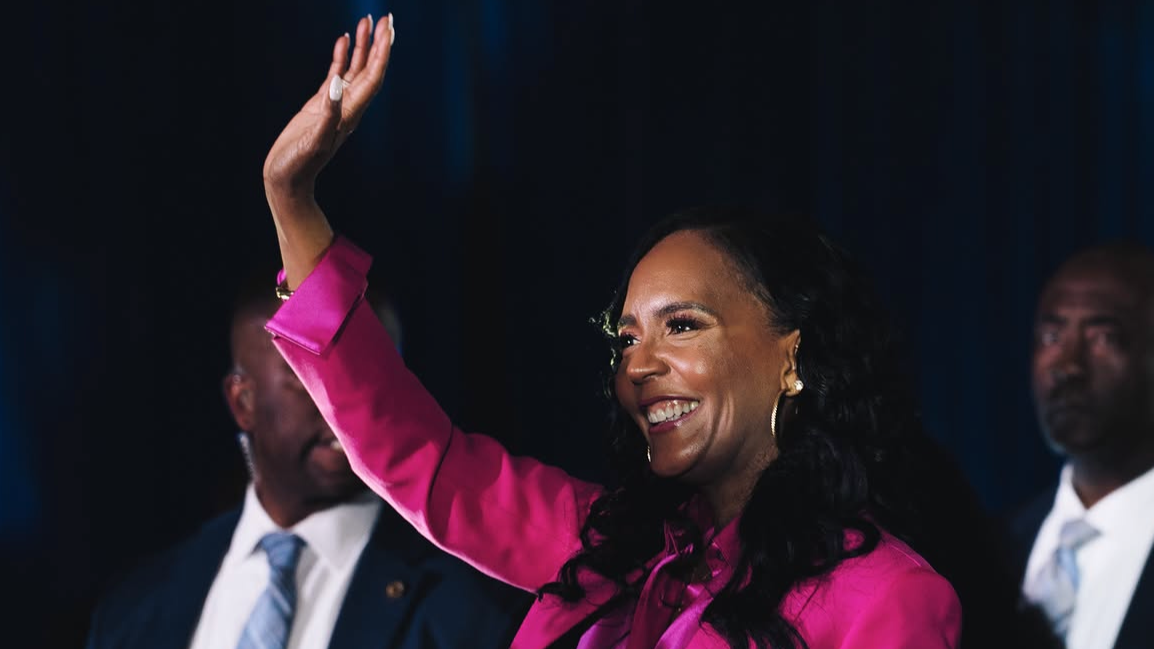
Keisha Lance Bottoms: First black woman elected Governor. Source: Instagram
Keisha Lance Bottoms--Georgia: First black woman elected Governor in the U.S.
Bryon Donalds—Florida: First black Governor of Florida
Gina Hinojosa—Texas: First Latina Governor of Texas
Deb Haaland—New Mexico: First Native American woman Governor
Amy Acton—Ohio: First woman elected Governor of Ohio
Abdul El-Sayed—Michigan: First Muslim elected to the U.S. Senate
Peggy Flanagan—Minnesota: First Native American woman elected to the U.S. Senate
Chris Pappas—New Hampshire: First openly gay man elected to the U.S. Senate
Online, this election has become somewhat of its own cultural moment. Well, Gen Z has wasted no time in making it one. And in their typical manner, it’s pretty funny.
The jokes began with a reference to the earlier era of “Millennial optimism”, a feeling associated with the early 2010s, marked by Obama’s presidency, indie and folk music, Tumblr, and twee fashion. Think mustache graphics, quirky coffee mugs, and flower crowns, all things that represented a certain kind of progressive thinking and hopefulness at the time.
Gen Z, feeling a similar sense of optimism, has taken this idea and given it a distinctly 2026 makeover, writing tweets and posts like:
“Everybody shut up, it’s Gen Z’s turn for millennial optimism”
The jokes soon became more specifically tied to the political movement. One user wrote, “My pronouns are we/back”, while another joked, “We’re having Lin-Manuel Miranda write a new national anthem tomorrow”, referencing the creator of the musical Hamilton, the award-winning musical that premiered during Obama’s second term.
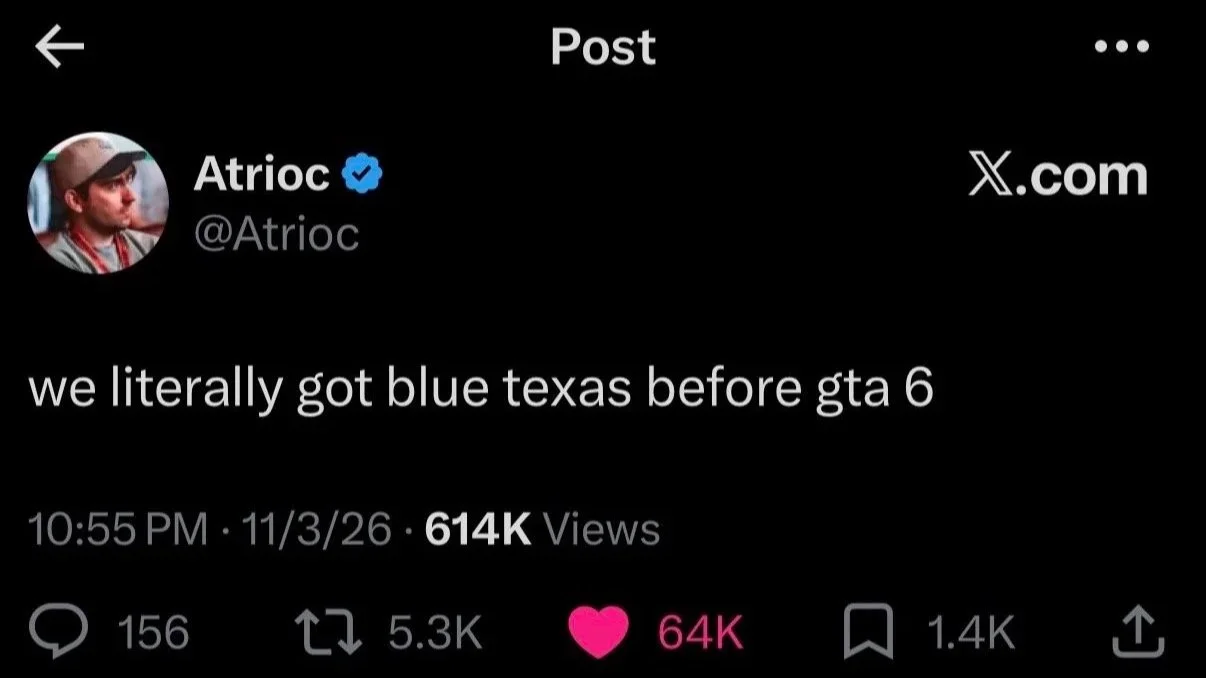
Source: Instagram
The jokes don’t just acknowledge politics and the state of our country; they also do so through references to pop culture, internet humor, and shared generational experiences, but don’t mistake this joking mindset for a disconnected one. If anything, making politics funny and relatable is another way of getting younger people interested in what is happening around them. It may seem silly, but in reality, Gen Z is making politics palatable to younger audiences, which is the start of raising an educated generation.
Then came the hashtag: #WokeIsBack
The idea behind this hashtag is that, after years of seeing “woke” ideals become the punchline of every joke, being openly enthusiastic about them is suddenly something to celebrate again. The hashtag plays on the feeling that the cultural climate has shifted, and that the things that people were once mocked for caring about are back in style.
In the years following COVID-19, progressive attitudes were especially visible in younger online communities. In 2020, TikTok was full of twelve-year-old “activists” who were quick to cancel, and essentially coined the term, but as the political and cultural climate shifted, so did the way these attitudes were received. After Trump was reelected in 2024, openly expressing progressive views became an easy target for jokes in certain online communities. People who were passionate and politically engaged were suddenly dismissed as “snowflakes” or “libtards”.
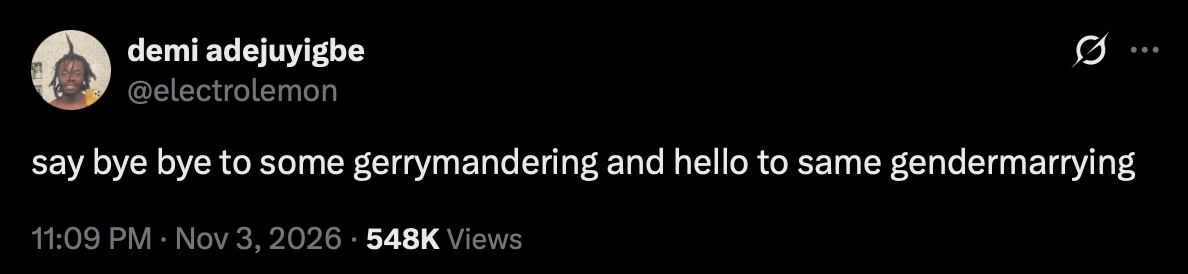
Source: X
The posts themselves lean heavily into exaggeration, poking fun at stereotypes associated with progressive politics. One jokingly states that everyone needs a new pronoun due Friday, while another threatens to round up anyone without a septum piercing. Others are more explicitly political, celebrating everything from marriage equality to abortion rights. The jokes are intentionally ridiculous, but they do reflect a generation-wide sense of excitement around the possibility of more progressive politics being more culturally accepted again.
Whether or not this marks a permanent shift, Gen Z seems to be enjoying a chance to be openly optimistic again. Let them!
Is this Gen Z’s version of Millennial optimism after all? What are your thoughts? Leave a comment below.