
The Business of Being an Influencer
Behind the gifted wardrobes and carefully curated feeds lies a multibillion-dollar industry where personal style becomes a business of its own.

Source: Instagram
There was a time when fashion's most influential figures were found on magazine covers, billboards and the front rows of Fashion Week. Today, they are just as likely to be filming videos in their bedrooms, sharing their latest purchases, morning coffee runs, and even outfit details. The rise of the influencer has transformed not only how fashion is consumed, but how it is marketed, monetized and sold.
What once appeared to be a fun hobby has evolved into a legitimate career path, where a carefully cultivated online identity can become a commercial asset. According to the Interactive Advertising Bureau, U.S. creator advertising spending was projected to reach $37 billion in 2025, reflecting the growing financial power of an industry built on attention.
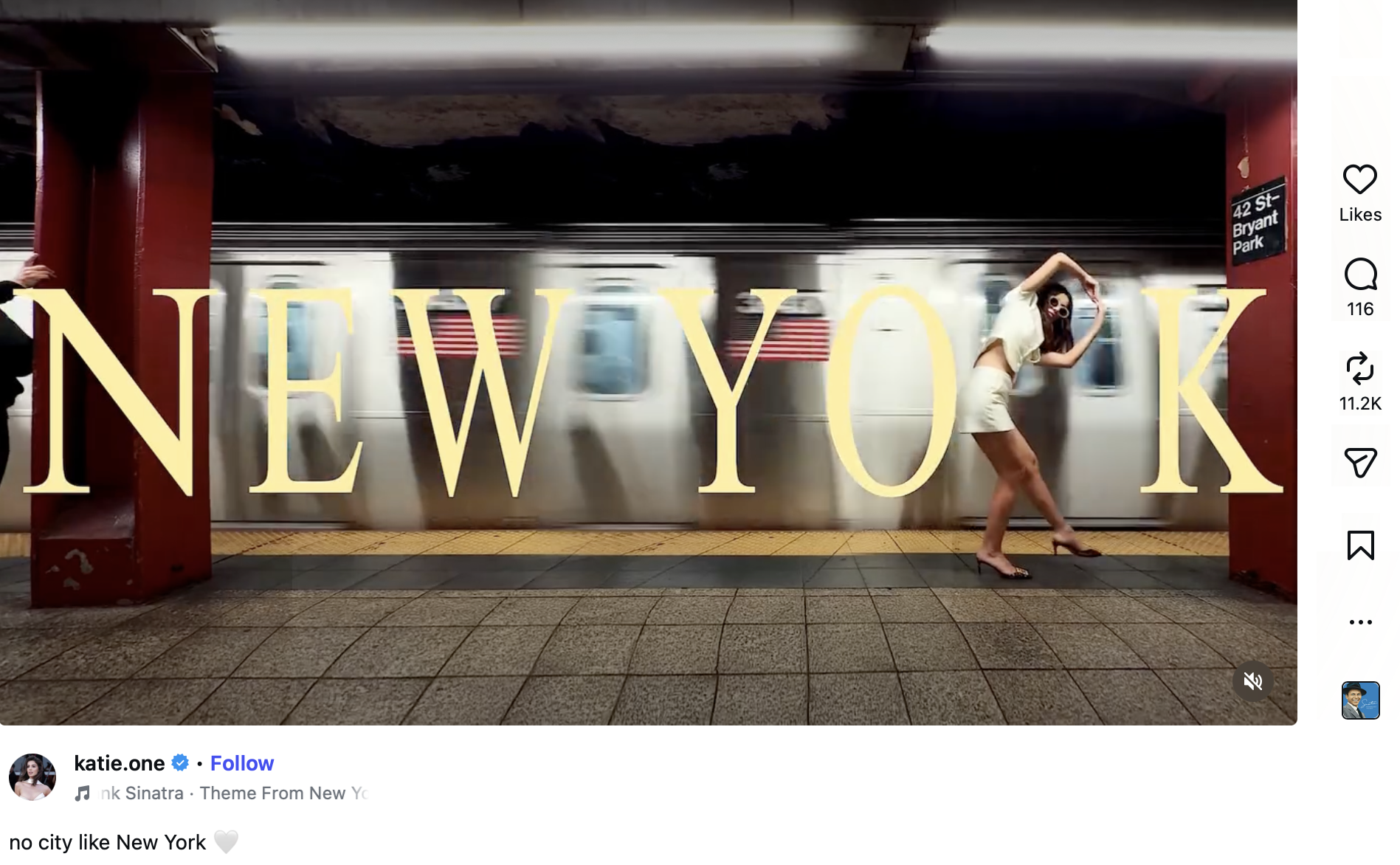
For fashion brands, the appeal is undeniable. Traditional advertising sells an image, while influencers sell a lifestyle. A handbag casually featured in a morning routine or a pair of heels worn to dinner can generate the kind of organic interest that a carefully orchestrated campaign might struggle to achieve. The product is no longer simply advertised, it becomes part of a narrative audiences feel personally connected to.
Source: Instagram
Yet the business of influence extends far beyond complimentary products and aesthetically pleasing Instagram grids.
For emerging content creator Brooke Sierra Jones, a LIM student, social media is still a space for experimentation, creativity and building an audience. While the prospect of working with brands is appealing, establishing a presence in an increasingly saturated industry requires patience and consistency.
"I started posting because I enjoyed creating content, not because I expected to make money from it," Brooke explains. "When you're starting out, you're more focused on finding your style and growing your audience than thinking about brand deals."
Behind the polished content lies an often underestimated amount of work. From planning outfits and finding locations to filming, editing and keeping up with changing algorithms, creating content can quickly become a demanding commitment, even before it generates any income.
"It's definitely more time-consuming than people think," Brooke says. "Sometimes you spend hours making something and it doesn't perform as well as you'd hoped. You're constantly figuring out what works and what people actually want to see."

Source: Instagram
While established influencers can earn thousands through brand deals and sponsorships, smaller creators often start with gifted products or unpaid collaborations. Although these opportunities offer exposure, they rarely reflect the time and effort involved.
"I'd love to work with brands I genuinely like in the future, but I also want my content to feel like me," Brooke adds. "It's important to build something authentic rather than just posting for the sake of getting noticed."
As influencer marketing becomes increasingly professionalized, the line between personal expression and commercial opportunity continues to blur. Social media profiles double as portfolios, everyday experiences become content, and a hobby can gradually develop into a business.
Fashion has always been driven by those with the power to shape desire. What has changed is who holds that power. For the next generation of creators, influence begins long before the first paycheck, with the ambition of turning an online presence into something worth investing in.
Would you ever consider becoming an influencer? Leave a comment below.