
The Cost Of Beauty (Literally)
Source: Unsplash
In-between the multitude of trips to the closest Sephora, Ulta, or cheap drugstore, there is a scary amount of money that we spend on beauty products. Overspending can happen when you are struggling to choose between an $8 e.l.f concealer, or the $35 Benefit concealer that your friend recommended. It can also happen when you run out of your favorite product after just a few weeks, or you simply get entranced into an aesthetic store on the way to class.
Maybe it’s the financial pressure, or maybe it’s just wanting the products. Whatever it is, the price adds up before you even notice it in your bank account.
The average woman spends $1,639 annually on their wellness, and that doesn’t include the extras. Within the past year, women have seen price increases in their hygiene products (59%) and skincare (56%).
Some numbers indicate that the market doesn’t intend to drop even a smidge anytime soon.
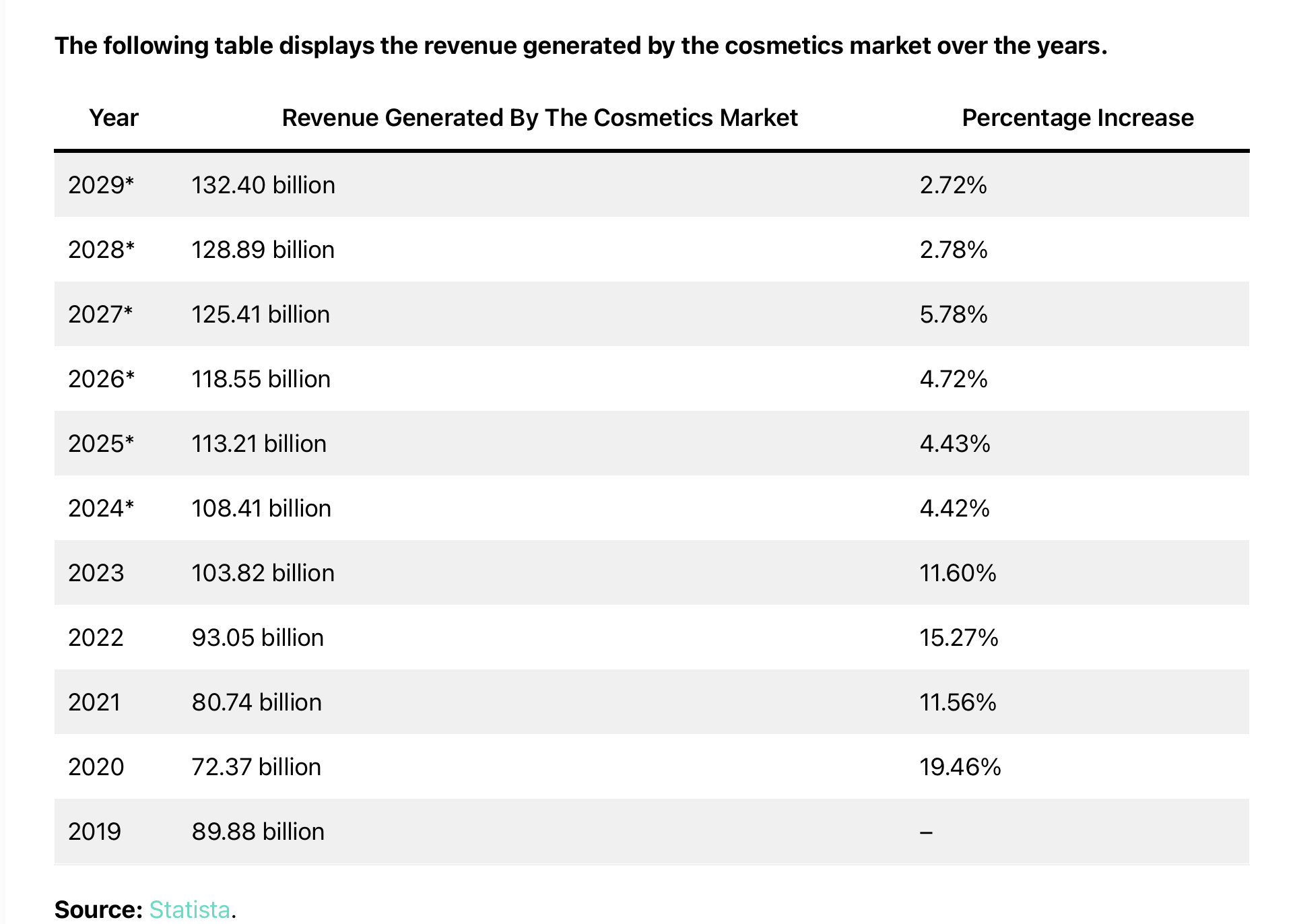
The United States competes in a rapidly growing global market. Mordor Intelligence values the worldwide skincare industry at $162.11 billion in 2025, and expects it to reach $222.07 billion by 2030.
Source: demandsage
For women, beauty is more than self-expression. It can be a budget line. I wanted to speak with some peers of all ages who enjoy splurging, as well as some friends who only get the necessities, just to see what these habits look like in real time.
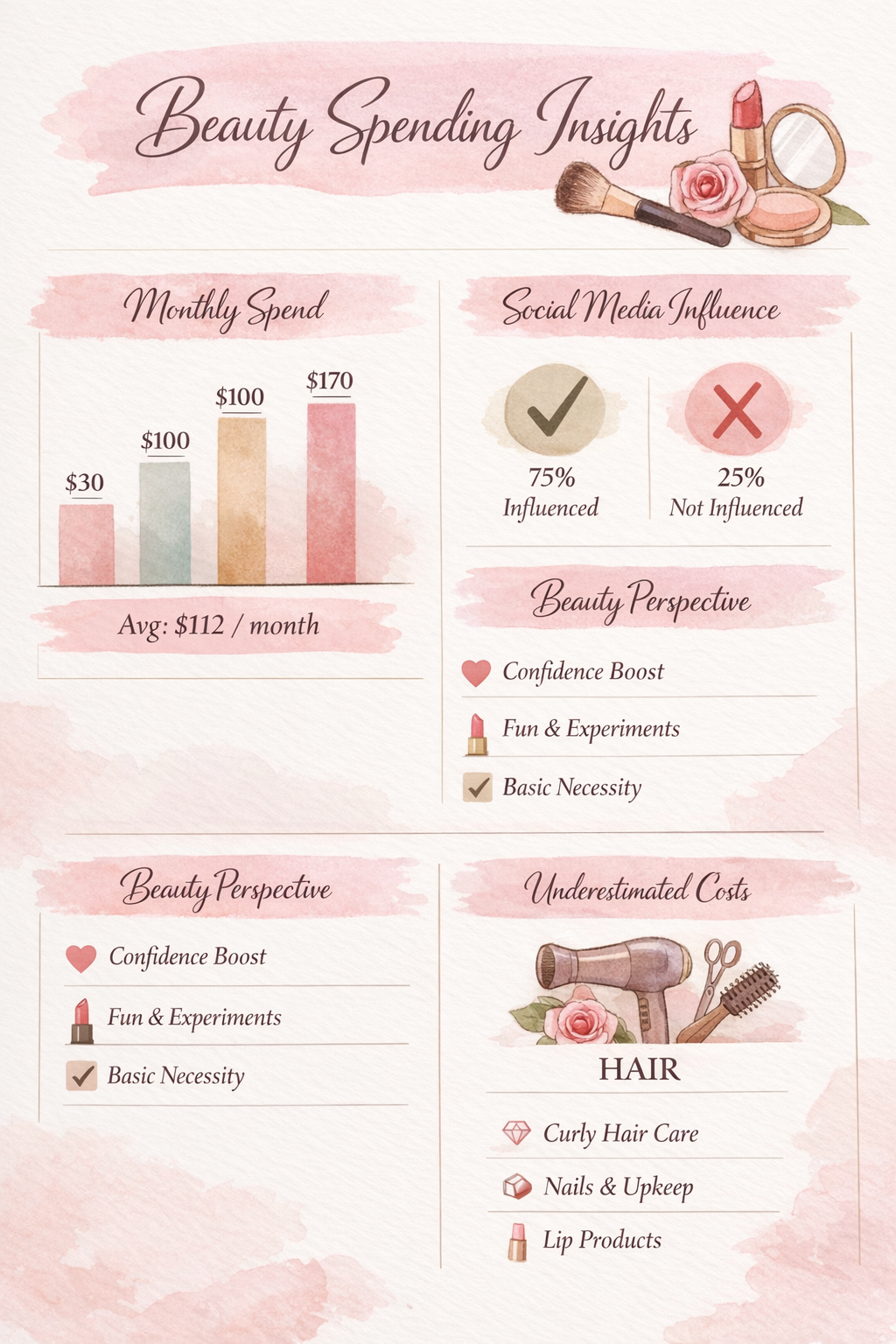
Beauty Spending Insight
I compiled statistics and information from individuals aged 20 to 56 years old on their spending habits in a month, social media influence, perspective, and underestimated costs.
Social media has reshaped what counts as a “basic” beauty routine, turning it into a constantly changing lineup of trendy products. Platforms like TikTok push new must-haves, paired with advertisements encouraging overconsumption. This pressure feeds into the divide between affordable brands like e.l.f, and high-end names like Hourglass and Charlotte Tilbury, where price often reflects image as much as quality.
One interviewee admitted, “I mainly use drugstore. However, there are a select few holy grails of mine that are high-end that I do really believe work better.”
In this way, social media doesn’t just influence what we buy; it shapes how we value it.
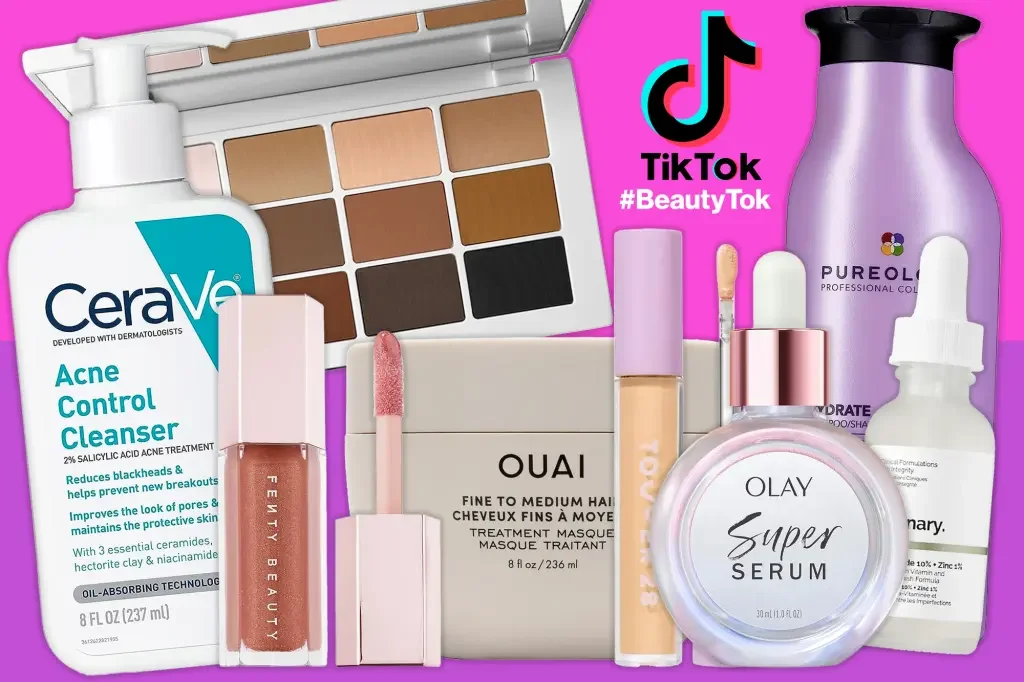
Source: New York Post
Beauty has always been personal, but it has never been this expensive or this visible. What used to be a more reasonable routine has turned into a cycle—one that restarts every time a product runs out, a trend changes, or a new insecurity appears on our screens. The question is no longer just what we are buying, but why we feel like we need to keep buying.
Have you bought a beauty product because of your algorithm? Was it worth the investment? Leave a comment below.