
keeping my edge
*Article from Lexington Line Spring/Summer 2026 Issue, pages 18-20
Time moves strangely in your twenties. It’s marked less by years and more by announcements: engagements, weddings, pregnancies, and promotions. Life begins to sort itself into milestones.
I grew up in Dallas, Texas, and many of my former classmates are now married or engaged, and some are even starting families of their own. But I remember the days we all talked about Harry Styles announcing his second studio album, Fine Line (2019), and when we would pull all-nighters to watch online concerts during the pandemic.
In those moments, I thought that the part of me who stayed up all night reading fan fiction and memorizing random facts would fade with age. Something deemed so childish and immature would seemingly have an expiration date…right?
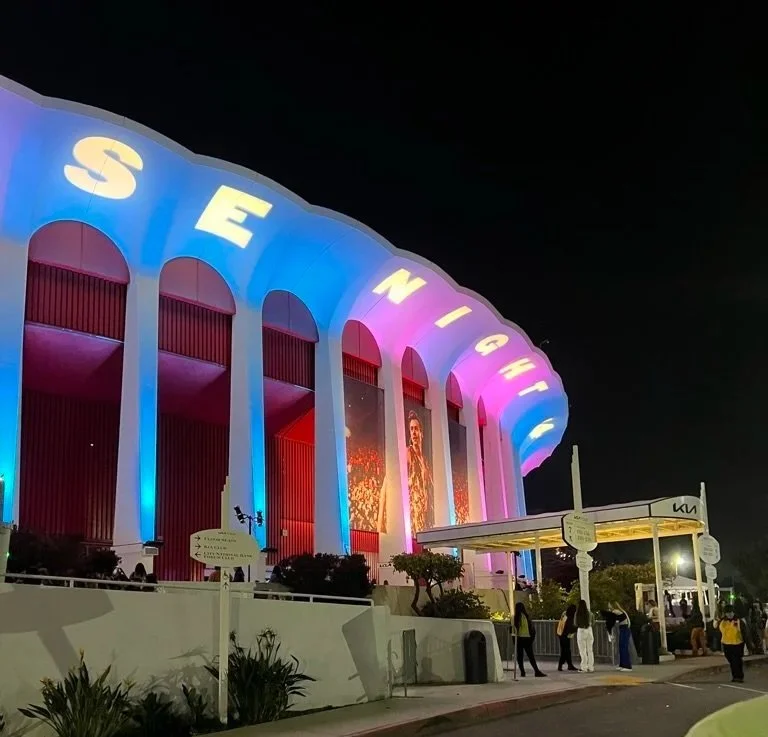
Source: Lilly Griffiths
We’re taught early that some kinds of love are only meant to last for a while. Childhood toys are the easiest example. Barbies get packed away once you are considered too old for them. They are placed in boxes because they signal a version of you that no longer fits the narrative. They are not destroyed. They are stored. Their existence becomes archival.
Fangirling is treated the same way, as something indulgent and temporary, even when it continues to offer real comfort and meaning. Nobody tells you when you’re supposed to stop loving something so much. The expectation just appears one day and waits for you to comply.
Fangirling was never meant to be archival for me. It’s formative and has shaped the way I think, the way I feel, and the way I relate to other people.
Before I had the language for my own emotions, I borrowed someone else’s. A bridge in a song could articulate what I could not explain in a simple conversation. In that sense, music functions as a kind of secular scripture. I return to certain tracks the way others return to prayer. Not because I believe the artists are divine beings, but because the ritual of listening creates order and clarity.
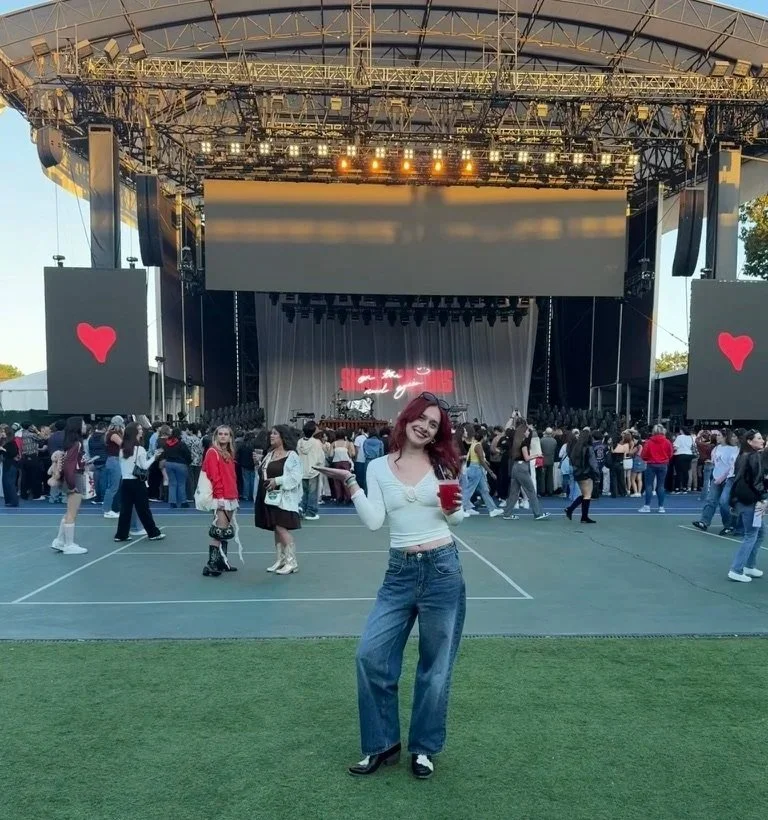
Source: Lilly Griffiths
There is a moment in LCD Soundsystem’s “Losing My Edge” when the refrain becomes almost incantatory.
“Yeah, I’m losing my edge. I’m losing my edge. The kids are coming up from behind.” The anxiety is not subtle. It is repetitive. Breathless. The voice insists, “I was there. “I was there in 1968… I was there at the first Can show in Cologne.”
James Murphy, lead singer of LCD Soundsystem, shares his proximity to history as if proximity guarantees permanence. He is losing his edge to “the Internet seekers who can tell me every member of every good group from 1962 to 1978.”
What unsettles me about “Losing My Edge” is not the insecurity itself, but the recognition of it. The fear of becoming outdated does not belong only to aging DJs or self-appointed tastemakers. It surfaces in anyone who has built an identity around being early, being devoted, being in the know.
Fandom trains you to care about first listens and deep cuts. It teaches you to treat knowledge as intimacy. You learn the discography and memorize release years. You know who produced which track and where it was recorded. You build a private archive that feels untouchable.
Fangirling contains a similar tension. There is pride in having been there at the beginning. “I was there when the album dropped,” “I was there on the first tour,” “I heard the demo before it was polished.” Those memories can become a credential, and oftentimes turn into a shield.
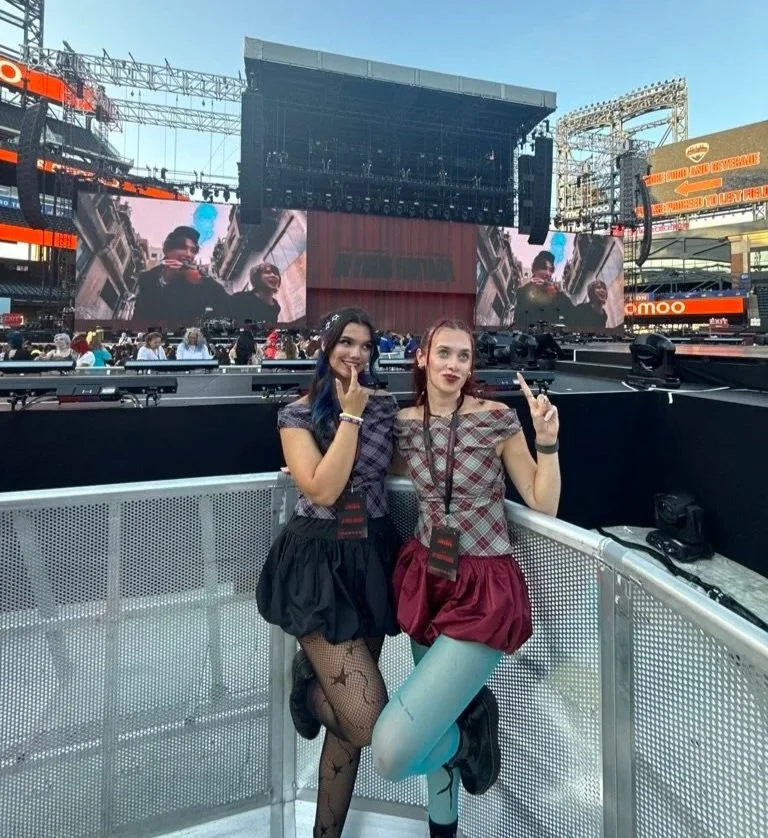
Source: Lilly Griffiths
The expectation to outgrow intensity often falls harder on women. Male sports fans build identities around teams for decades. Their loyalty is framed as tradition. Female fans who memorize discographies are treated as excessive or crazed. The behavior is similar, yet the cultural response is not.
Fangirling has required me to confront that tension early. I used to feel the need to decide whether my interests were liabilities or sources of meaning. In choosing the latter, I learned that taste can be a declaration; to say this matters to me is to assert a set of values. It is to align yourself with a community of people who recognize the same signals.
Community is perhaps the most underestimated aspect of fandom. It is easy to reduce it to merchandise and social media trends. It is harder to acknowledge the depth of connection that forms when strangers gather around a shared feeling.
In a concert venue, individuality remains intact, and emotion becomes collective. The lyrics are known in advance. The chorus arrives; everyone sings in unison. For a moment, the boundaries between private and public dissolve. You are alone in your body and part of something larger at the same time.
That experience constantly recalibrates my understanding of belonging. It has shown me that community does not require uniformity, just resonance. You do not need to share the same background with the person next to you; you just need to recognize the same melody.
In a world that often fragments identity into categories, music offers coherence. It becomes a universal language not because it erases differences, but because it translates feelings across them.
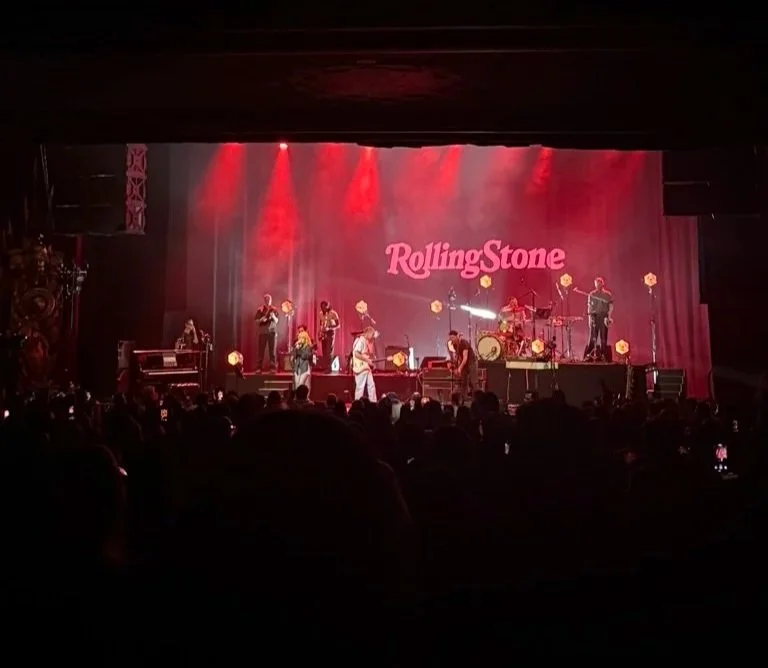
Source: Lilly Griffiths
There is also the matter of nostalgia. Songs compress time. A track released a decade ago can return you to a specific room, a specific version of yourself. The girl who memorized lyrics to Paramore’s “Playing God” until dawn still exists within the woman who has career ambitions and life goals.
Through this facet of my life, I have learned to budget for tickets, to schedule my life around tours, to negotiate with time, and to take everything less seriously. My devotion does not prevent my rapid approach to adulthood. It feels like something I need to keep incorporating rather than abandoning.
The nature of worship naturally shifts as I mature. Artists cease to be distant idols or public figures. I now see them for who they really are. People. They are laborers, creators, artists, and just trying to make a living like the rest of us. The relationship has moved from adoration to appreciation. I think the meaning I find in their work says as much about me as it does about them and why they wanted to create it.
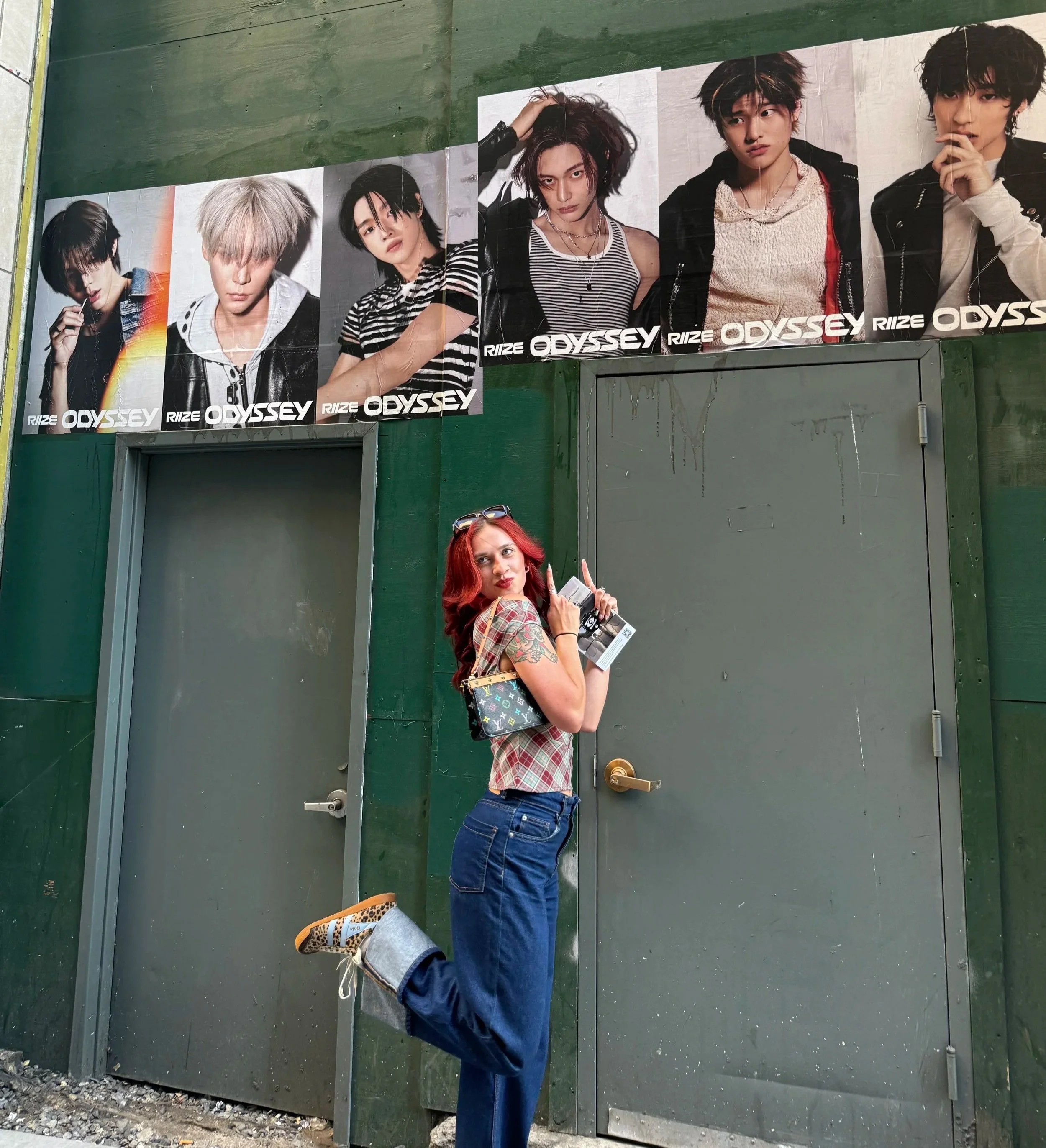
If something shapes the way you understand yourself, why decide to let it go? The pressure to age out of fandom assumes that seriousness is incompatible with enthusiasm. My experience suggests the opposite. Fangirling trained my attention, sharpened my emotional literacy, and gave me a framework for human connection. Those are not traits to discard. In fact, I’ve clung to them with age.
Source: Lilly Griffiths
Time will continue to sort my life into milestones. There may be a house or marriage one day, but none of that will erase the years I spent waiting for Shawn Mendes to release a new album or standing in concert halls. None of that will stop my love for music.
To lose interest would not prove maturity or an era of ‘moving on.’ The edge, if it exists, lies in that openness—in the willingness to be moved or to feel. I refuse to treat intensity as something that belongs only to the young.
Fangirling shapes me not because it is dramatic, but because it’s something I want to feed. It offers continuity in a period defined by change. It reveals that devotion, when chosen freely, can be a form of self-knowledge and expression. Growing older has not required me to relinquish that lesson. It has required me to understand and embrace it more fully and freely.