
Lipstick Lesbian—or Just Lipstick and a Lesbian?
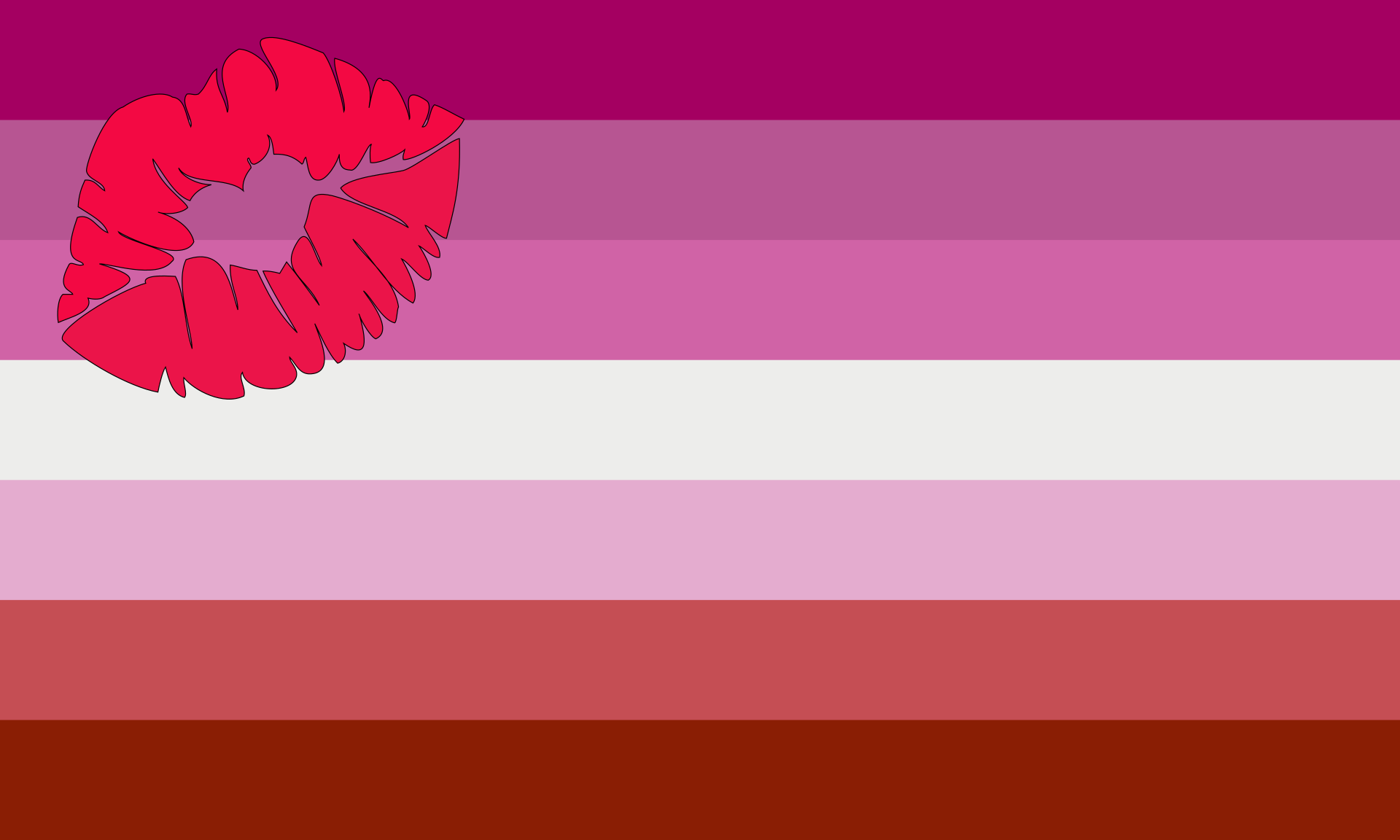
Source: Wikipedia
We’ve all heard the labels: femme, butch, masc, chapstick, lipstick. On paper, they’re just descriptors. In practice, they become an identity and a part of beauty.
Those associations didn’t just appear out of nowhere; they were built through beauty culture itself, which has a track record for compartmentalizing queer identities into palatable aesthetics. While terms can box our identity, the community relies heavily on these terms to describe themselves or their types.
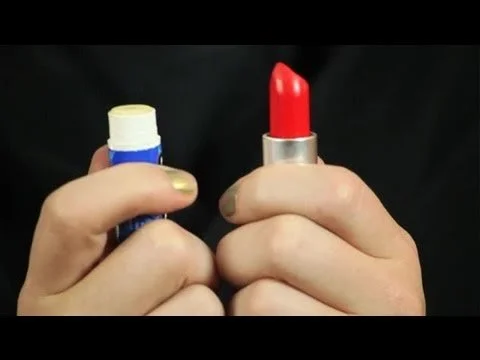
A “chapstick lesbian” gets coded as more androgynous, neutral, effortless. A “lipstick lesbian” is hyper-feminine, soft, and curated.
Source: YouTube
Makeup has always been tied to ideas of femininity and desirability, and that doesn’t disappear in queer environments. If anything, it gets more complicated. A full face isn’t just a look; it can feel like a performance of femininity that people read as “for men,” even when it’s not. That’s where the “lipstick” in lipstick lesbian starts to feel less like a descriptor and more like a stereotype. It reduces an entire identity to a product—literally.
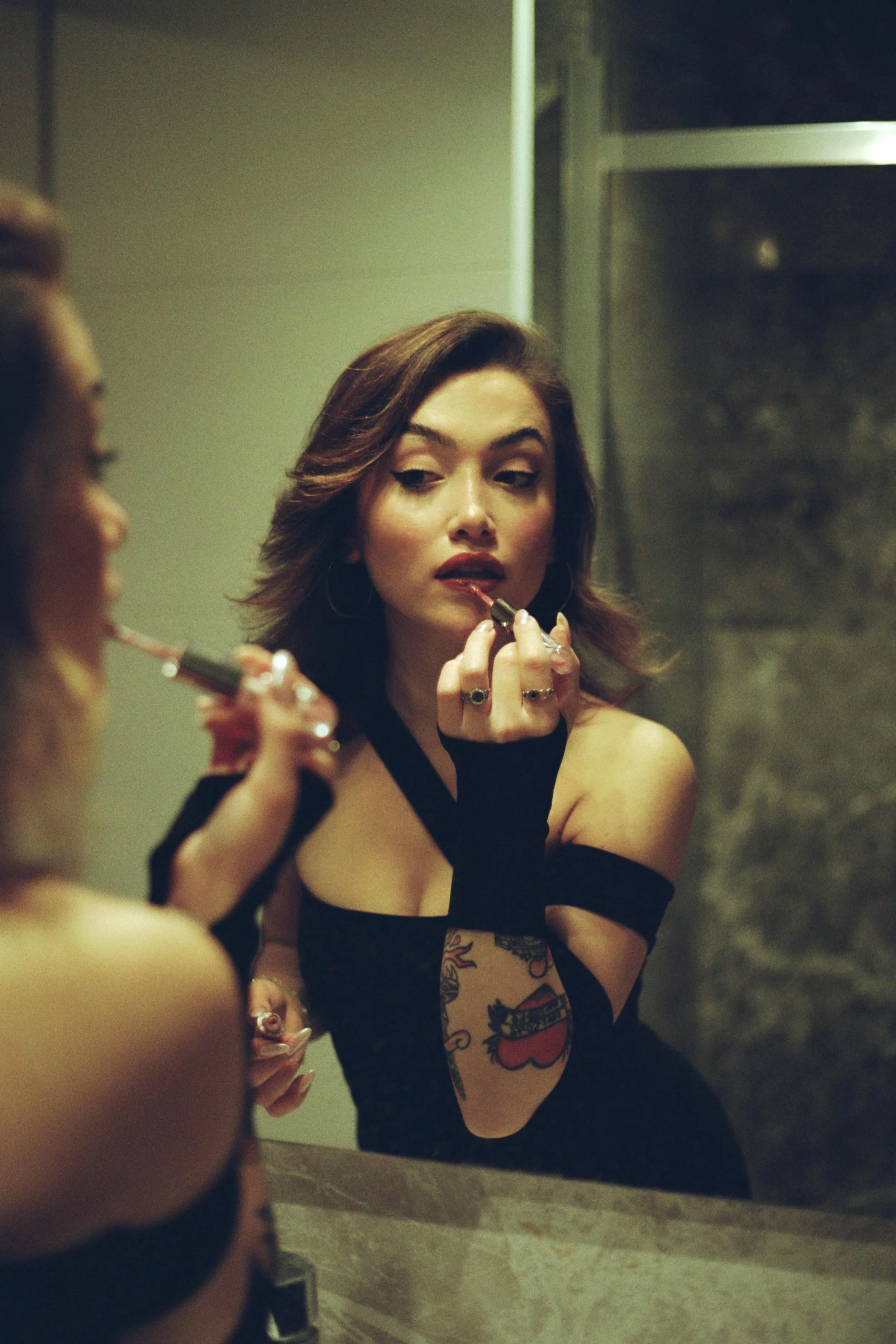
Lipstick, skincare, hair, nails, these aren’t just tools of conformity. They can also be tools of control, creativity, and self-definition.
Source: Pexels
If anything, the idea that a lesbian identity can be read through a beauty routine feels outdated. A glossy lip or winged eyeliner doesn’t make someone less queer, just like a bare face doesn’t make someone more. But beauty culture still pushes those associations, whether we realize it or not.
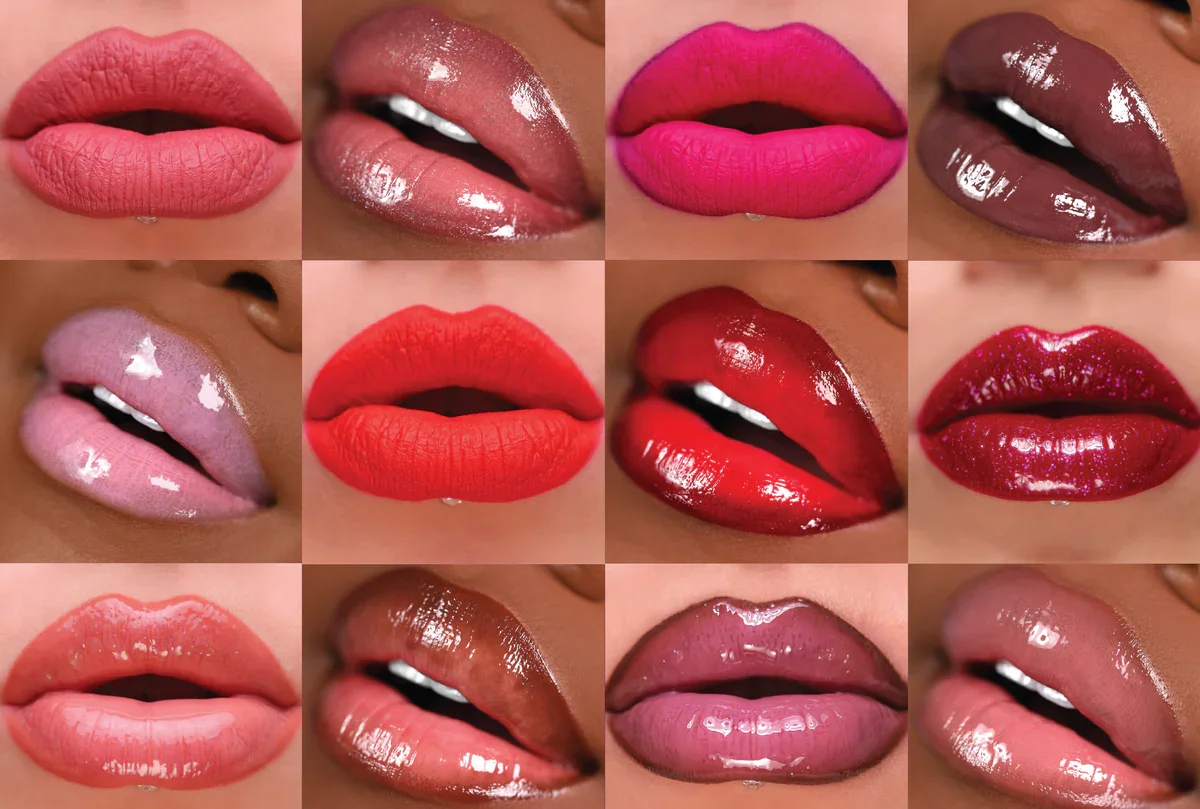
Source: The Lip Bar
At the same time, there’s something kind of powerful about reclaiming that femininity.
Society expects lesbians to be masculine-presenting, to wear boys’ clothes, and have short hair. While a lot of them do, this is one of the most fixed stereotypes in our community.
When you reclaim your femininity as a queer person, it holds empowerment and authenticity. It can be seen as a defiance of prejudices, gender roles, and the patriarchy. People should be allowed to present themselves authentically, regardless of their sexuality.
Whether you are a lipstick lesbian or just a lesbian who wears lipstick, here are this lesbian’s lipstick recommendations:
The Classic Red — clean, precise, a little intimidating, and classy. Some favorite products to achieve the perfect red lip: Anastasia Beverly Hills Liquid Lipstick in American Doll, Violet_FR Plume lip, or the classic MAC Slick Satin Lipstick.
The Berry Stain — blurred edges, slightly messy, like you’ve been out for hours. Romantic without trying. Products for this look: E.L.F. glossy lip stain, Rare Beauty tinted lip oil, or the Milk Makeup cooling water jelly tint stain.
The Gloss — reflective, low-commitment, and always looks good. A few of my personal favorites: Naturium Phyto-Glow Lip balm jam, Clairins Lip Comfort Oil, or NYX fat oil drip lip gloss.
At a certain point, the labels stop being useful. Not because they’re wrong, but because they’re too small for what they’re trying to describe. A “lipstick lesbian” isn’t defined by lipstick, just like a bare face isn’t some kind of rejection of femininity. Those are surface reads. Beauty routines don’t confirm or contradict identity; they just exist alongside it. If anything, the more interesting part is how persistent those assumptions still are. Not whether or not someone fits them.
Should we ditch the labels and rewrite the beauty dictionary? Leave a comment down below!