
How to Gatekeep your Favorite Artist?
“Their music is an open secret, but there is something so private about consuming it,” my twenty-two cent, Medium.
Everyone has a celebrity whose success is bittersweet to digest. For me, that artist is Young Miko.
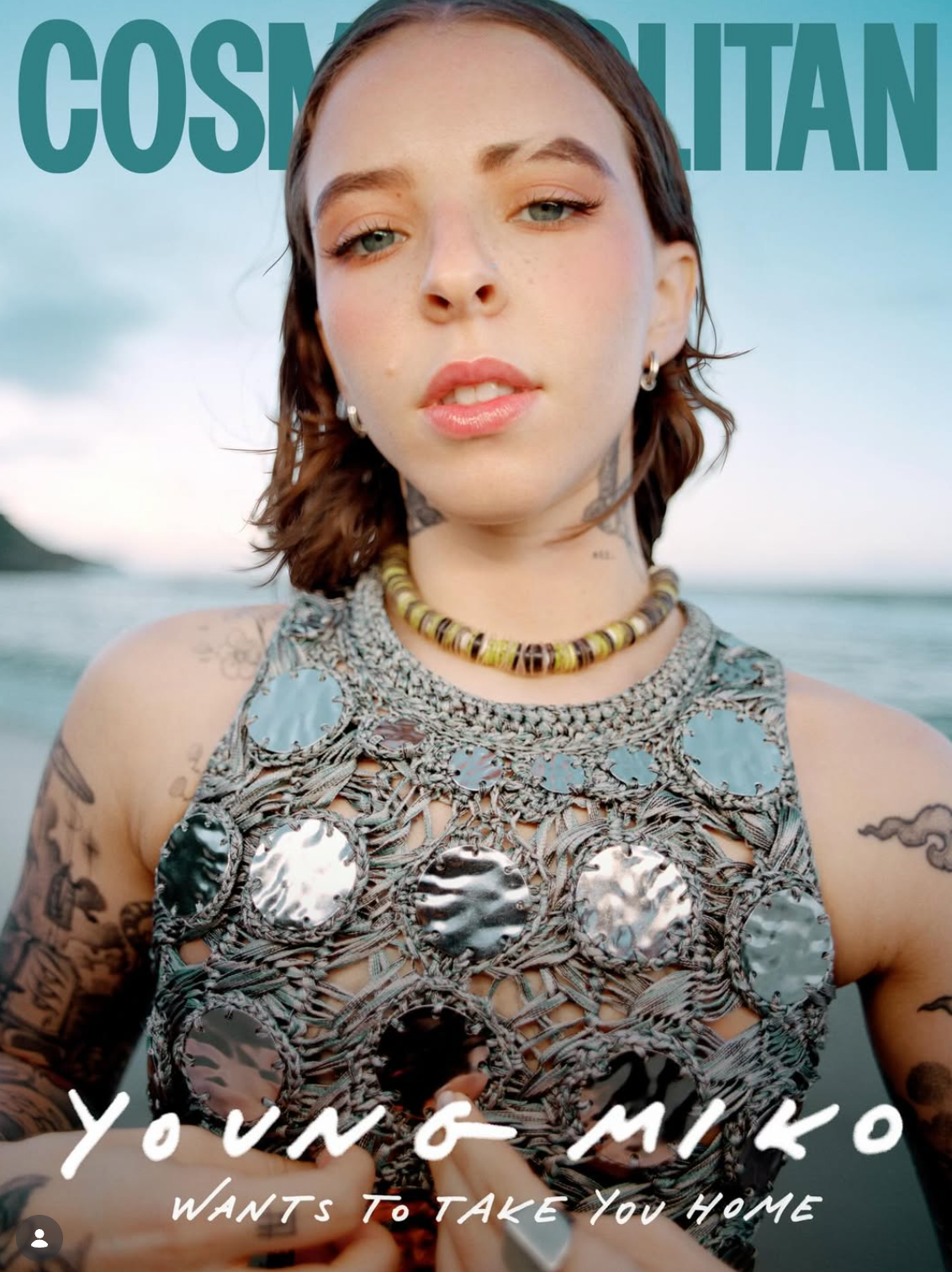
Source: Cosmopolitan
Young Miko is a Puerto Rican rapper who has risen to fame at a rapid speed in the last two years. She opened Billie Eilish’s latest tour, “Hit Me Hard and Soft: The Tour,” performed at festivals such as Coachella 2024 and The Governors Ball 2025, starred in her own dance video commercial “Sweats Like This” with GAP to the song “WASSUP”, and most recently shot her first Cosmopolitan cover.
Young Miko’s break through comes with the implication that when she announces her new tour dates, I will have to fight for tickets with people that haven't listened to her music for half the time that I have; her next festival, my possibility of being first row gets slimmer, and if one day she decides to date a fan, she will be less likely to pick me.
I am not usually someone who partakes in stan culture (at least since One Direction split up), but I feel some kind of ownership over her success. While I am so happy she is finally getting the recognition she deserves, I can’t help but be jealous of the gentrification of our secret relationship.
Being one of the first people to listen to an artist can make you intimately connected to them. It might feel like their success is a shared milestone, which narrows the gap between celebrity and fan.
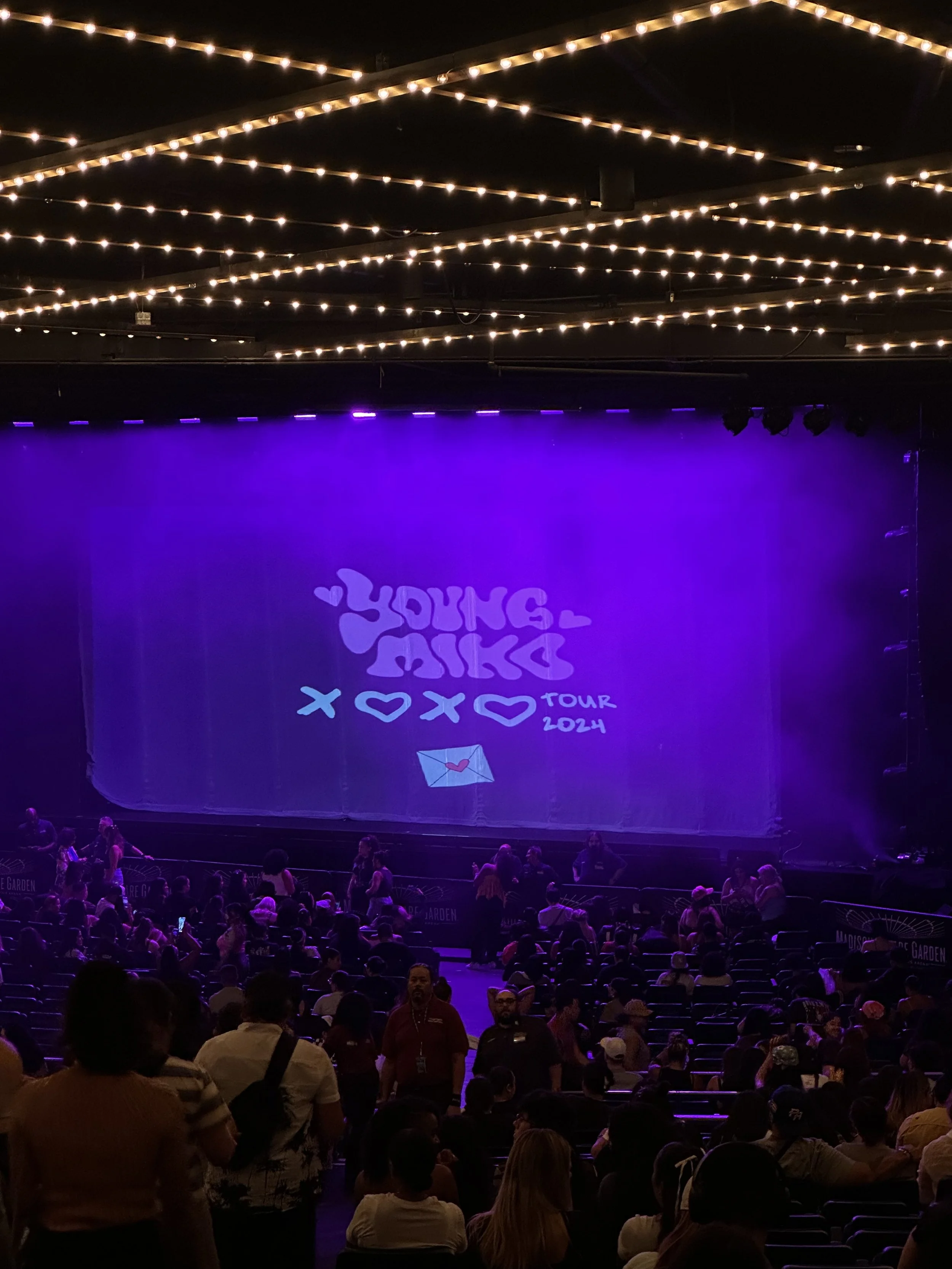
Source: me at her last tour.
Creating art is a vulnerable experience that artists choose to share with the public. With their music, they open a door for listeners to travel through their emotions. This often misleads the fans into thinking they personally know the singer and their feelings.
Getting a glimpse into artists' lives through their lyrics, combined with the feeling that no one in your close vicinity knows who this artist is, creates a parasocial relationship between artist and superfan.
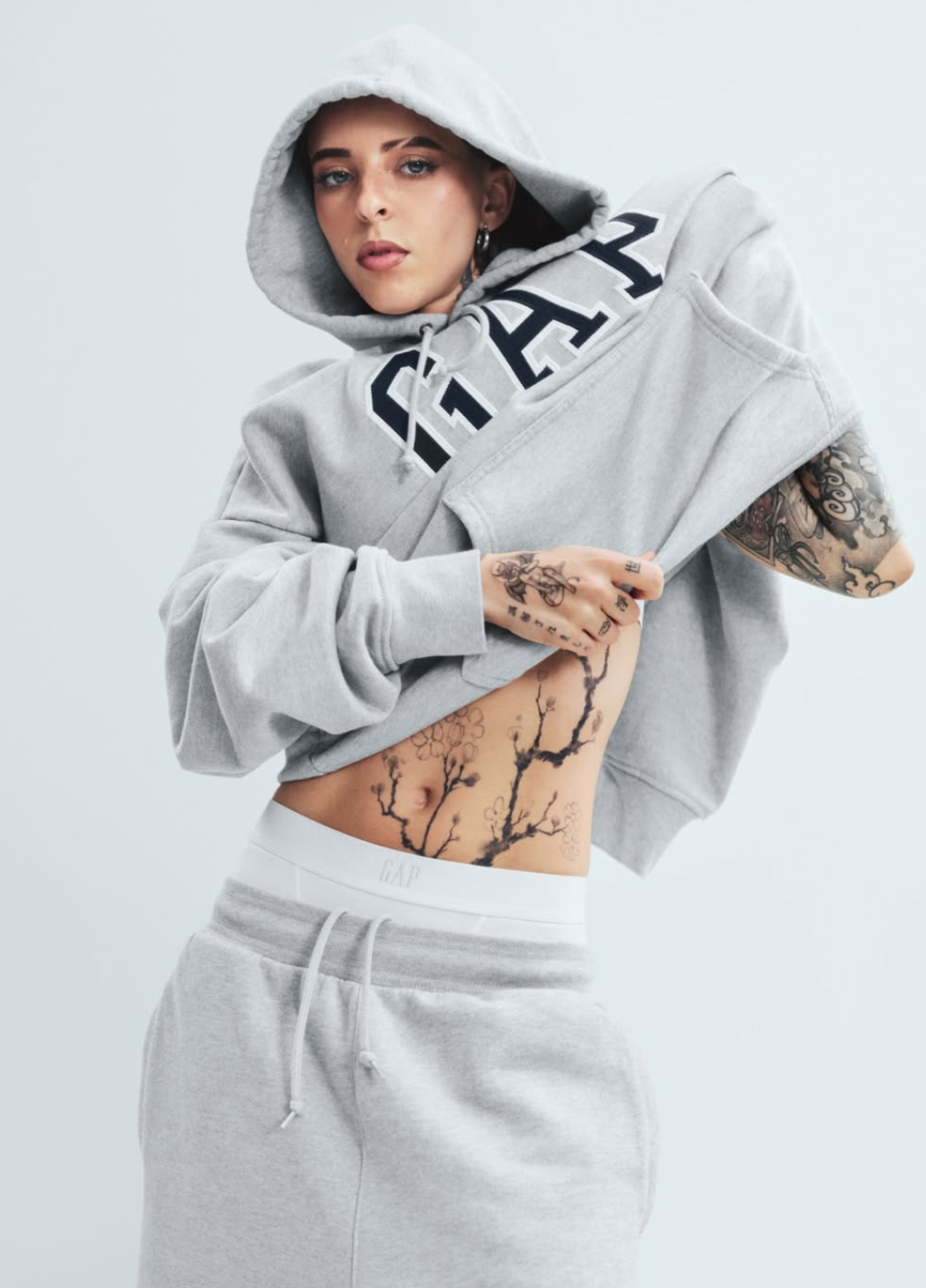
Source: The Gap
“Parasocial relationships blur the lines between reality and perception, leaving both artists and fans in an intricate dance between connection and detachment,” Andreea Magdaline said to shesaid.
It normalizes thoughts like "I can literally run into her," "If we met, we would be friends," or, in my case, "yes, I could date her." It builds an unspoken agreement where both parties need and benefit from each other. This contract makes fans hold certain expectations from celebrities and demand that they be met.
Remember! It is not, and will never be okay to stalk artists or feel entitled to their opinions and decisions. At the end of the day, they are still human beings and deserve their own life.
While their success comes from the support of their fans, they do not owe us any piece of themselves. They deserve to set their own boundaries, and we are required to respect them. There is a very fine line between being a superfan and invading someone's privacy, and that is where the danger of parasocial relationships lies.
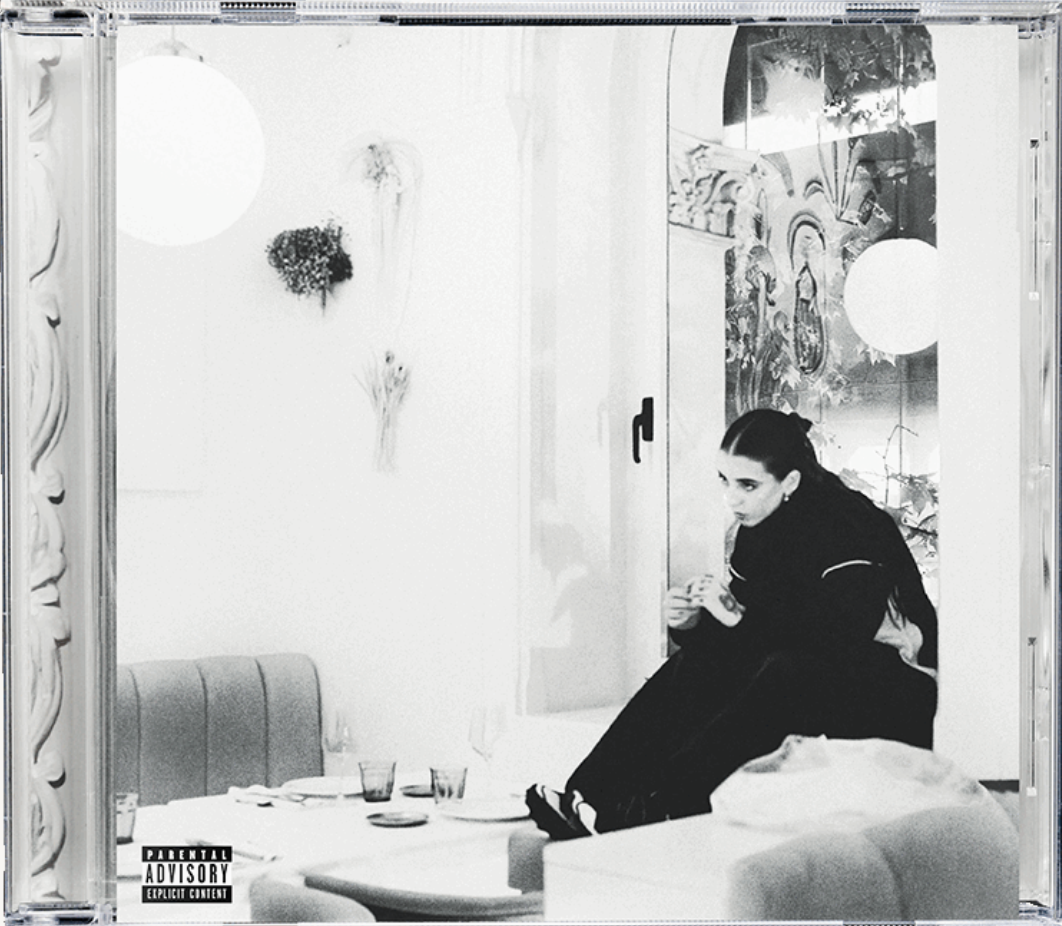
Source: Young Miko
While parasocial relationships are mostly one-sided, artists often benefit from them.
“There is data about super fans that can help inform an artist everything from where they live, their age, habits, what their favorite brands are, what they watch and listen to, and even how they respond to new songs and videos the artist is considering releasing to the masses at large,” Kelli Richards said to Medium.
No matter how proud you feel of an artist’s newfound success, it is inevitable to feel frustrated about their mainstream exploitation. The nature of these feelings might stem from a complicated relationship, but at the end of the day, the only healthy way to look at this phenomenon is to have your small loss be their gain.
It is already too late for me, but you still have time to gatekeep your favorite artist.