
The Slow Death of Retail
Source: Unsplash
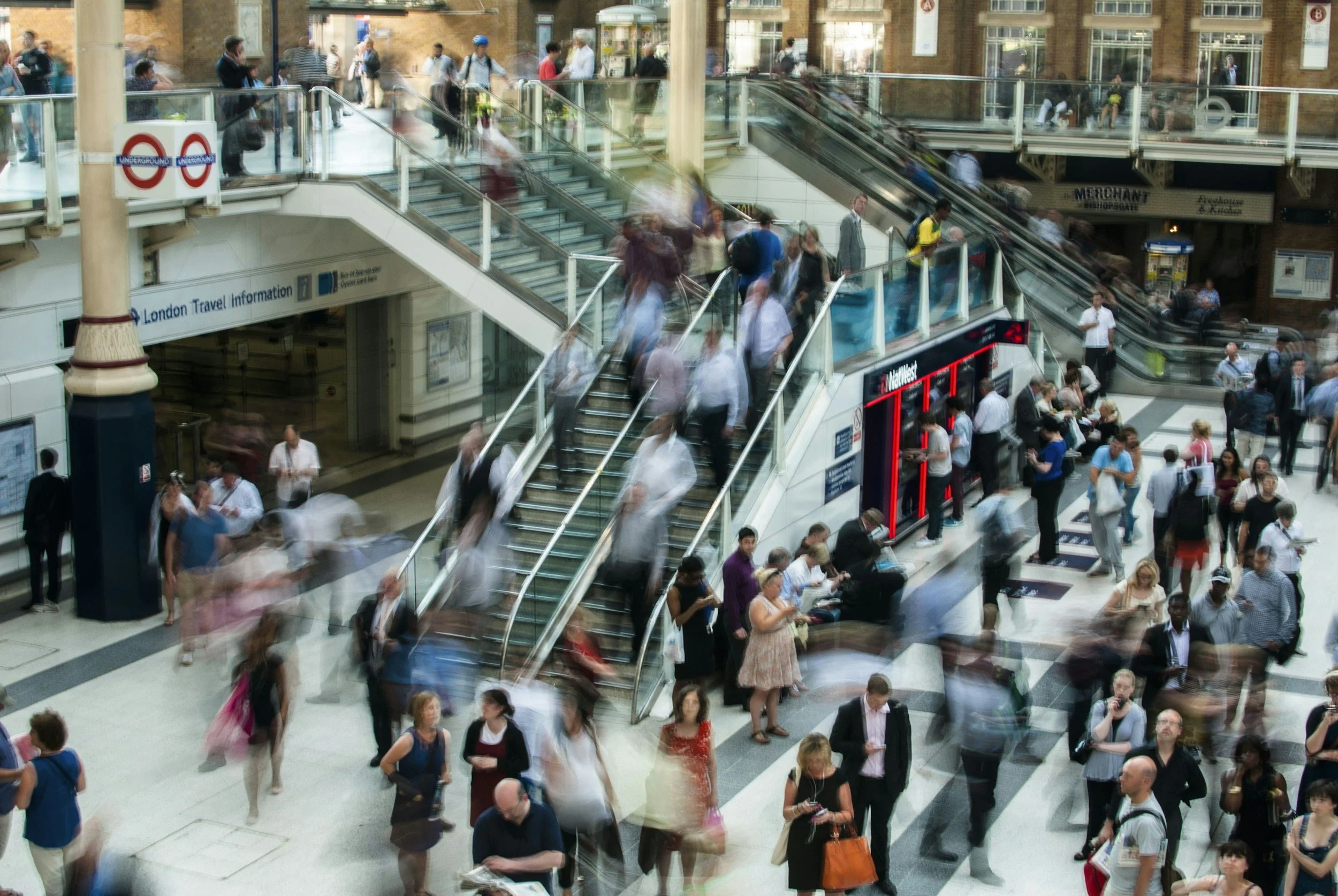
Walk into any department store and you’ll notice the difference. The awkwardly loud pop music over the speakers, bright fluorescent lights, and shelves packed with product, yet, something is amiss.The energy that once defined retail spaces has faded – stores feel more like showrooms than shopping hubs. Recently, I’ve noticed that shoppers aren’t looking for the same experience that was offered so many years ago.
Customers today don’t appreciate the retail experience the same way that older generations once did. Today, the excitement of spending a day at the mall or meeting up with friends to shop a new collection is gone. Families no longer shop together, but instead prioritize convenience, speed, and price over the in-person experience. All of their time shopping is done from the comfort of their home, digitally.
As a sales associate, I’ve noticed this lack of excitement has developed to the point where I feel like I go into work to do nothing. Approaching a customer and asking if they need any help takes enough confidence in itself, but hearing the response “I’m just looking,” can become discouraging.
Of course, inflation rates have played a huge role in this change. The price of clothing, accessories, beauty products and services have skyrocketed in price, and there is also little to no attention being placed on new collections and products. Trends move so quickly that there is hardly enough time to get products on shelves before the next one kicks in.
Source: Stock Images
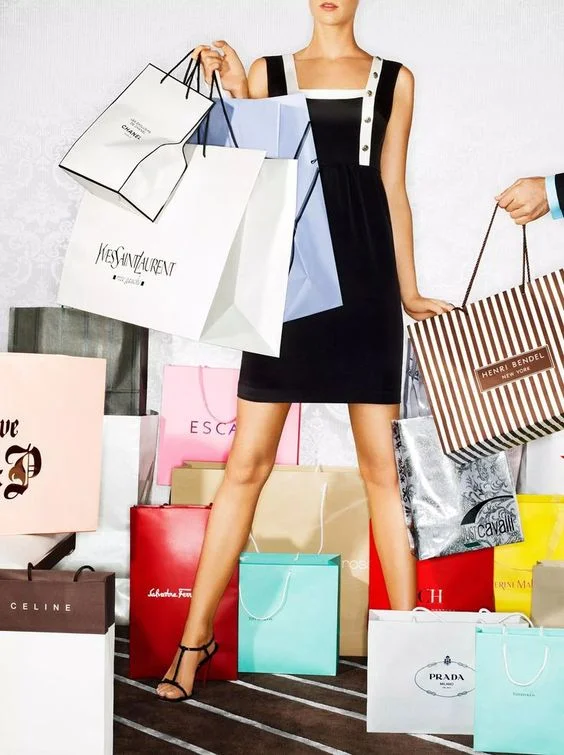
As a result, Gen Z has turned to thrifting as its primary shopping source, and it absolutely reflects in many large retailers today. Younger consumers are focusing on shopping for products that promote sustainability, individuality, and affordability. Applications like depop, whatnot, and poshmark are becoming large hubs for reselling vintage items with ease of negotiable pricing. By creating this digital community, social media has also accelerated the decline of traditional retail. Even fashion influencers are leaning away from creating content with large shopping hauls by posting more personalized styling videos with fun vintage finds.
While retail is not disappearing completely, the shift is undeniably changing. Traditional department stores like Bloomingdales and Macy’s are slowly being dominated by e-commerce and resale culture, thus challenging them to rethink purpose and digitally connect with younger generations. They will need to compete with digital algorithms and shopping experiences to rethink the purpose of physical shopping spaces entirely. Without adapting to these changing standards, many retailers may continue falling behind in an industry that no longer shops the way it once did.
Is the magic of in-person shopping officially gone? Leave a comment down below!