
Fashion Mingle is Giving Voice to Latin American Artists
In a world where machinery and velocity define our day-to-day decisions, companies like Fashion Mingle remind us that nothing compares to human craftsmanship.
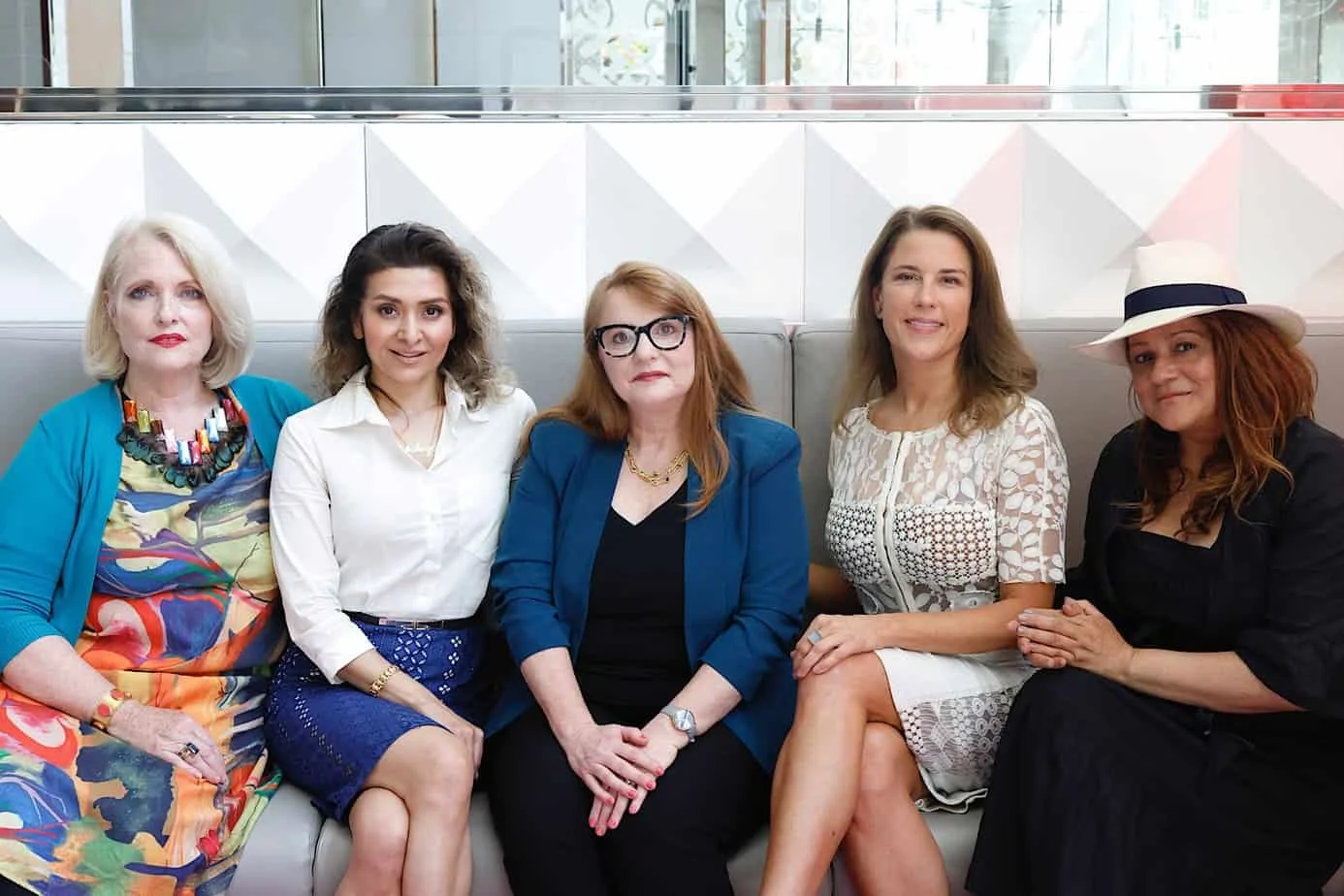
Source: Fashion Mingle
In 2015, Fashion Mingle launched a program called “Young Leaders of the Americas Initiative,” in which they invite up-and-coming designers to a one-month residency in New York City each year. This month, they meet with various professionals, learn the ins and outs of the fashion industry, and build a solid network.
The goal of this collaboration is to create a direct exchange between the Latin American and the United States markets. Fashion Mingle provides the necessary tools for designers to sustain a successful business after they leave the residency and return to their home countries.
The program structure looks different every year since it is built around the business's real needs and areas of opportunity, representing what effective international support looks like. It serves as a reminder of “what fashion needs more of: stronger international ties, more practical exchange, and systems that help emerging founders build with clarity.”
Alongside being brands on the verge of blooming, Fashion Mingle spotlights designers that prioritize sustainability, hands-on artistry, and individuality.
In the past, this program has showcased designers from Uruguay, Argentina, El Salvador, and, most recently, Chile. In April 2026, designers Cris Miranda and Rocio Concha arrived in New York City for their residency.
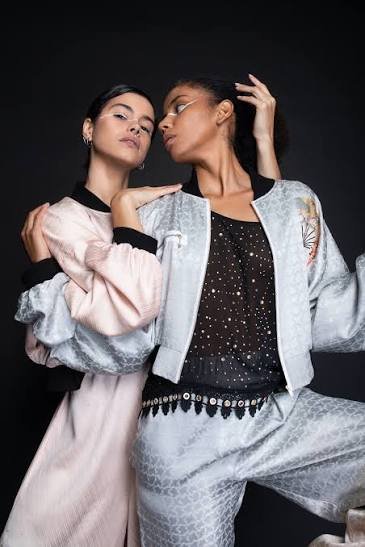
Source: Cris Miranda

Source: Rocio Concha
YLAI 2026 EXPERIENCE
The partnership looked to narrow the gap between traditional craftsmanship and modern sustainability, as well as to add 100 high-impact Chilean professionals to the Fashion Mingle network. This allows Fashion Mingle to expand into not-before-explored regions where new collaborations can emerge.
Cris and Rocio are sustainable and slow fashion brands that focus on making high-quality pieces at an accessible price.
Cris explains how, for many years, he had created collections that were meant to be displayed and tell stories, but this ultimately fed the narrative that high fashion was unreachable and elitist and, unfortunately, rarely economic—especially for sustainable brands. However, he wanted to put an end to this with his latest collection and online store, demonstrating that high-quality artisanal fashion is a trend we all should be participating in.
A similar sentiment was shared by Rocio when she created her crochet brand Chomba. She was saddened by the overwhelming influence of international fabrics and designs taking over the Chilean market, displacing local craftsmen. She wanted to create slow fashion, human-made pieces that would last for a lifetime. Her main aspiration was to bring artistry back to the people of Chile by using sustainable outlets.
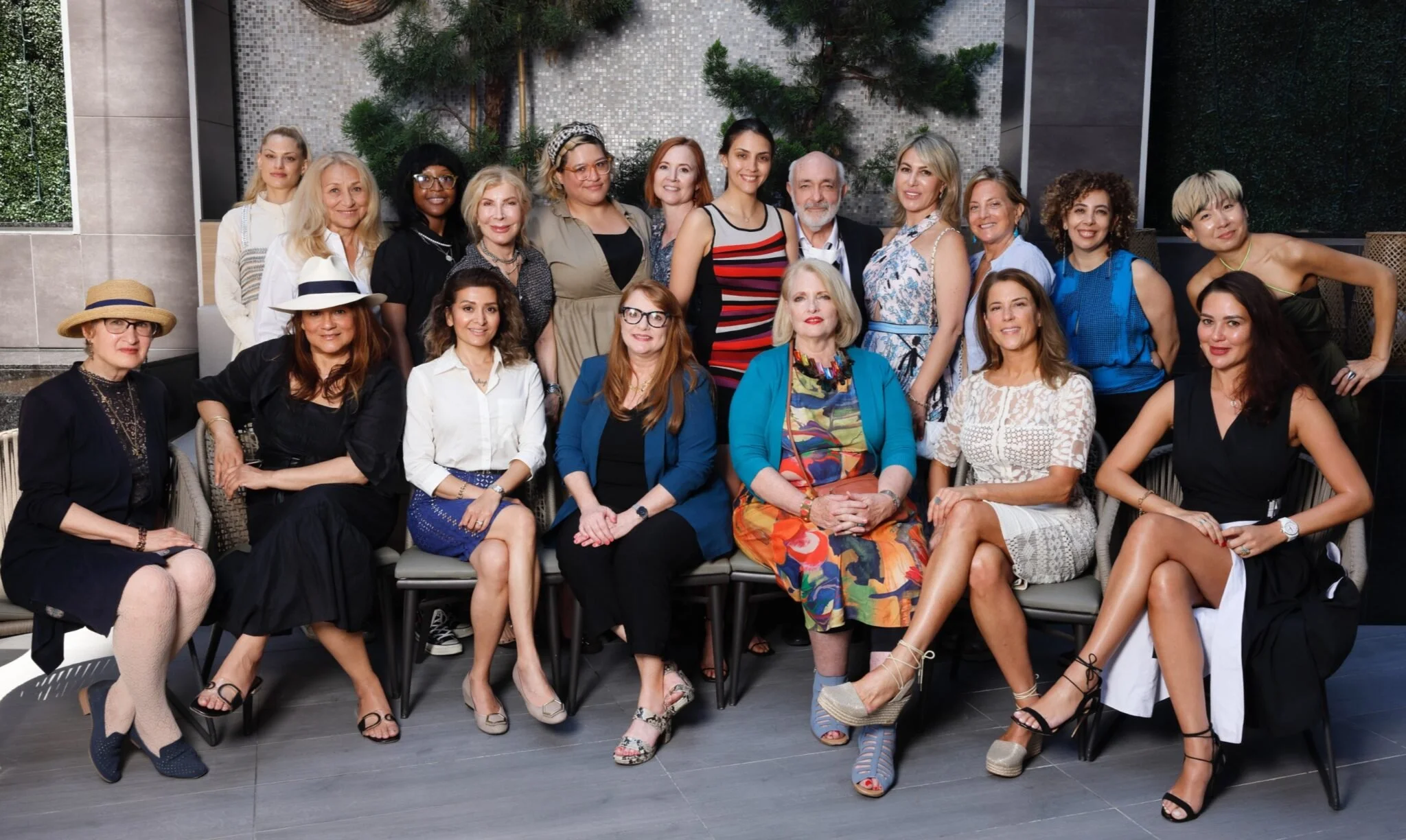
Source: Fashion Mingle
Having a clear vision and brand identity, both brands embarked on Fashion Mingles' fellowship, ready to take their business to the next step. In their month in New York City, they attended events and workshops to better understand what it takes to launch a successful, sustainable brand.
Museums are a staple of New York City, as well as of Rocio’s and Cris’s experience. They attended the Brooklyn Museum to catch the Iris Van Herpen: Sculpting the Senses exhibition, FLOHAUS Gallery for the Who Pays For Our Clothes? The Hidden Life of Fashion show, Macy’s for a flower presentation, and El Museo del Barrio to admire previous work by Latin American artists.
In addition, they met with the Brooklyn Fashion Incubator to talk about potential opportunities to collaborate with other New York City museums—by exhibiting their craft.
One of the days was scheduled so the designers could visit other local brand owners. They visited different pop-up, Latin American boutiques, and local businesses' exhibitions to get a grasp of how different people manage and display their work. Some of the establishments toured include De Maria, This is Latin America, FDLA x Marcas Latam, and Doors NYC.
One of their most significant visits was their tour and workshop at FabScrap. FabScrap is a company determined to fight textile waste and contamination. They have already reused over two million pounds of textiles, also reselling recycled ones at an accessible price. Since both designers—especially Rocio—work with sustainability and upcycling, their information session and volunteering at FabScrap showcased a business model they can directly reflect on their brands.
No Fashion Mingle experience would be complete without the networking aspect. In collaboration with FASHINNOVATION—whose Brazilian founder, Marcelo Guimarães, understands what it takes to launch a business in an international market as a Latin American entrepreneur more than anyone—they hosted a networking party where the designers could talk to other Fashion Mingle subscribers and create connections nationally and internationally. This connection web is not only essential at the moment, but it will be a resource they can always come back to if they have any future inquiries.
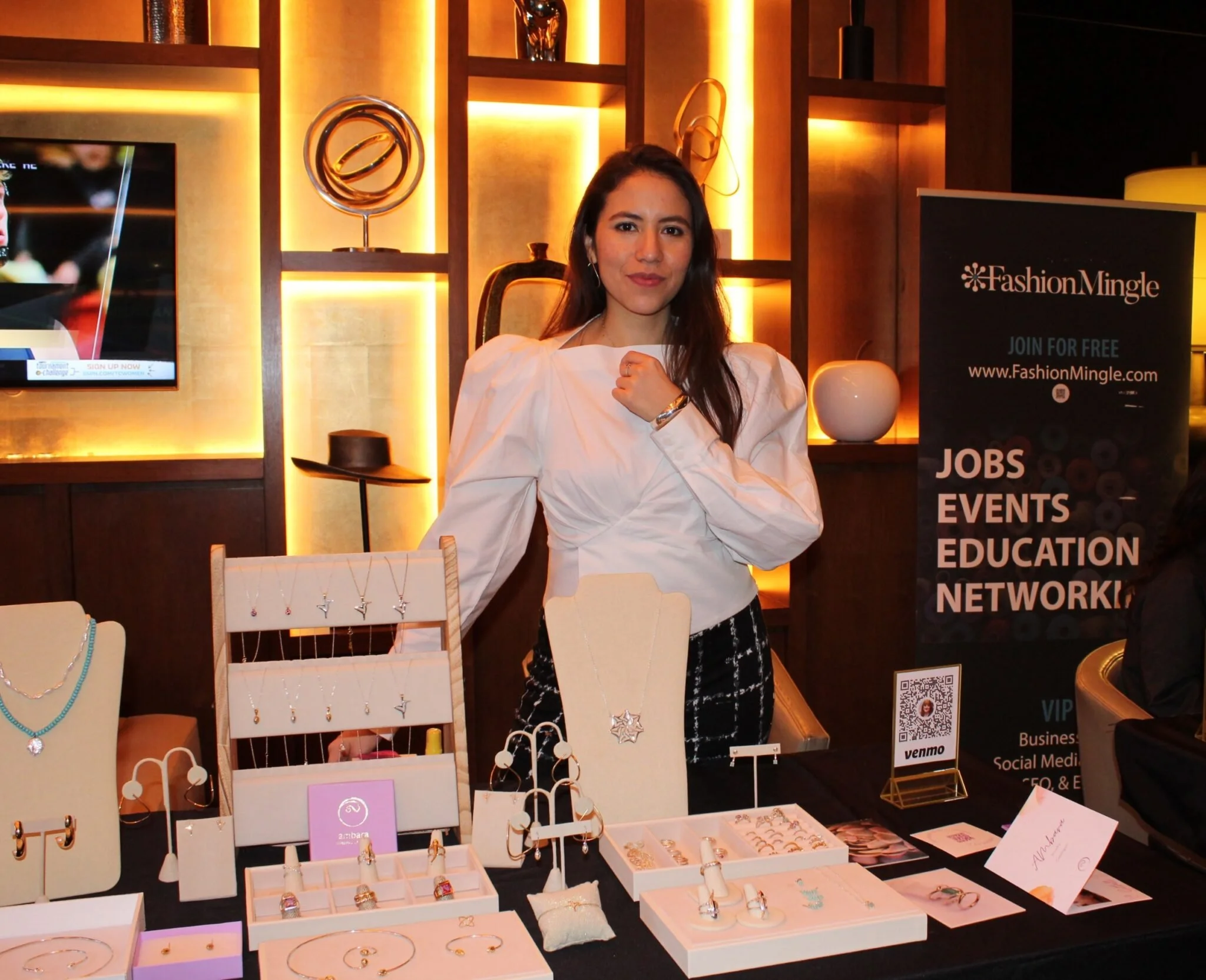
At the end of their residency, both Rosio and Cris got to host a pop-up at the Walker Hotel, where they got to talk about what they do, their process, and what opportunities they are looking for in this fellowship. Booths were set-up fo reach of them to display their works as Fashion Mingle members and other industry professionals browsed around and asked questions.
In addition to the personalized meetings and formal events, the broader cultural atmosphere also influenced their experiences. New York thrives on art: theater, music, ballet, cinema, contemporary dance, museums, poetry, and plastic arts. All these sectors overlap with fashion on a day-to-day basis.
YLAI MOMIRS
With all their years of experience, the Fashion Mingle team has become an expert in curating personalized fellowships based on designers' brand vision and areas of improvement.
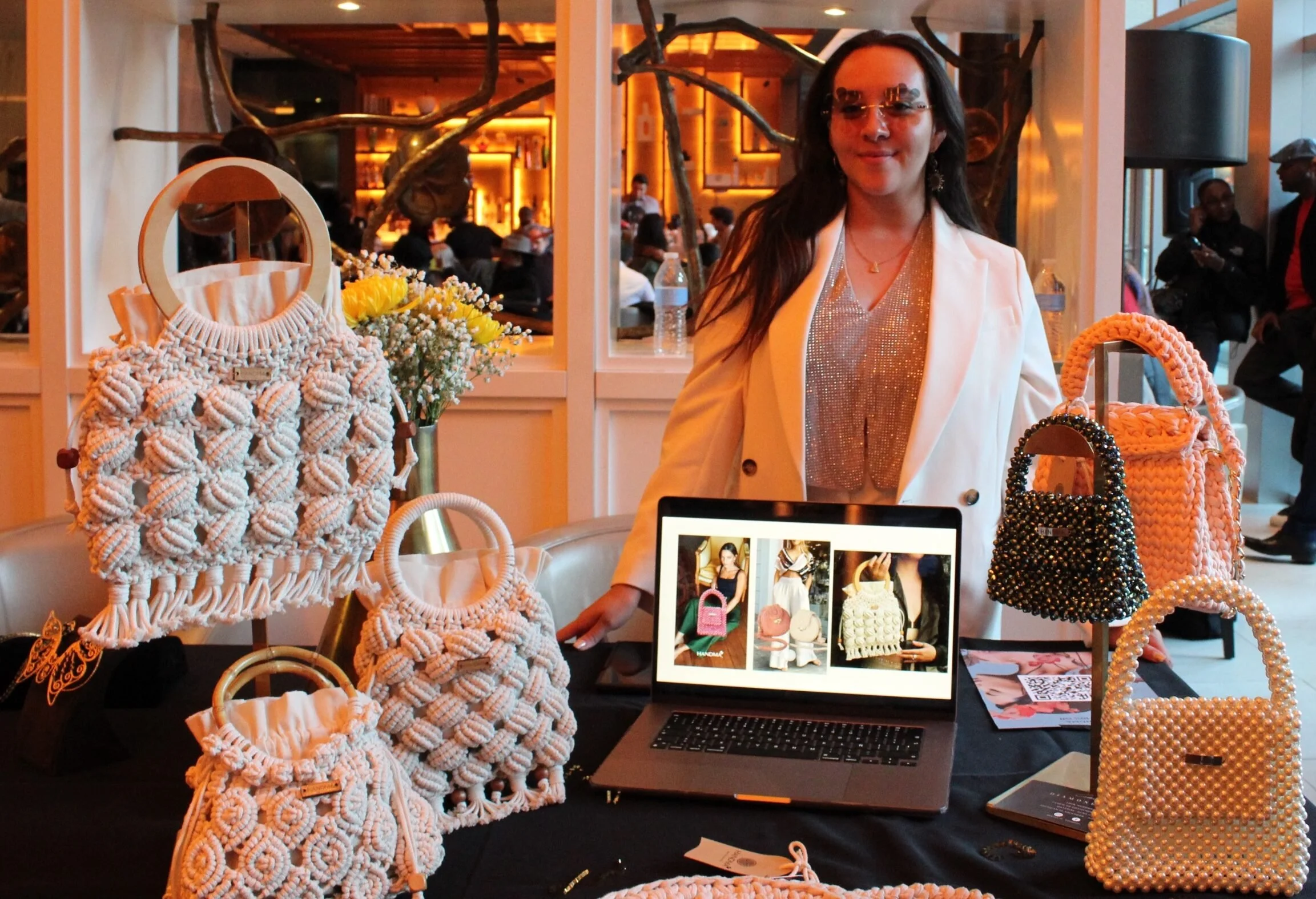
Source: Fashion Mingle
They have compiled residencies fully based on marketing strategy, as they did with Yatziri Patino Juarez and Analia Escalada. Even though they both had different business plans when they completed their residency, their strongest priorities revolved around understanding the markets, building brand identity, and developing a marketing plan.
The fellowships are always organized into weekly goals (Financial, Digital, Sourcing, Marketing, Public Relations, etc). In this case, they help the designers achieve these goals by inviting them to events such as the MJSA Expo and the JA New York; scheduling meetings with the Fashion Institute of Technology and the Gemological Institute of America, as well as other professionals and business owners—from the sustainability side of the industry all the way to the legal side; and even hosting a luncheon with female entrepreneurs in fashion and technology, where conversations centered on starting a business, finding you appropriate target audience, and building a digital space for your brand.
By the time Yatziri and Analia left New York, they had a structured, tangible plan—including a range of legal templates, company bylaws, partnership agreements, privacy policies, terms and conditions, and investor-related documents—to see their business succeed.
Source: Fashion Mingle
On a different note, when Fatima Reyes attended her one-month residency, her goals revolved around expanding her business and production rate without sacrificing the quality and sustainable value of her products.
As a result, her experience was centered around meeting other craftspeople with similar business models to hers, as well as exploring potential partnerships with venues where she could expand her product sales.
These different experiences go to show that the program values authenticity and tailored experiences to fulfill every company's unique needs. They understand the importance of preserving and promoting traditional craftsmanship.
GLOBAL ARTISAN INITIATIVE
This is not the first time Fashion Mingle has demonstrated their alliance with artisans. In honor of Earth Day 2026, they collaborated with the United Nations Fashion & Lifestyle Network to launch the “Global Artisan Initiative” project.
This is an initiative to promote sustainable trade, from the first step of the supply chain all the way to the runway. It aims to connect Fashion Mingle’s network of 15,000+ members directly with artisan clusters.
It encourages big brands to source talent and raw materials from local businesses and manufacturers. As a result, not only do they impact the economy of their geographical region, but they also help minimize their carbon footprint.
Melissa's and her team's main priority has always been to provide tools and platforms that boost small merchants. They want to make sure that the supply chain remains as sustainable and human as possible, even amid the current boom in technology and machinery.
Fashion Mingle understands the power of connections and networking, and they pride themselves on being the groundwork of these relationships.
“They [Fashion Mingle] are committed to providing the digital infrastructure necessary to preserve traditional textile craftsmanship while driving economic growth in heritage-rich nations,” reports the United Nations.
WHAT'S NEXT?
The overall objective of programs like “Young Leaders of the Americas Initiative” and “Global Artisan Initiative” is to eliminate the anonymity of the supply chain and create a reliable space where emerging founders and artisans can source information and talent from in-house and human hands.
Fashion Mingle continues to connect fashion industry professionals with opportunities and each other. If you are someone in the fashion industry, either looking to grow your business or to outsource some talent, be sure to join the Fashion Mingle Network here. To connect with any of our YLAI fellows, log in to our Career Hub here.