
The Reality of Reality Television
I’m sorry, don’t hate me; I loved “Love Island.”
Now, before you judge, I do consider myself to have good taste. I’ve read some of the classics. I’ll indulge in a documentary from time to time. I’ll even enjoy a foreign film. But, I also love “Love Island.”

Source: Youtube
Reality shows were an untouched territory for me until this summer. As many other somewhat snobbish writers would say, I thought I was above them. I mean, come on; they’re shallow, exploitative, and most of the time heavily scripted. The masters behind them have perfected the recipe for drama so well that I’m almost sure they could guess the “average number of gasps” per episode.
Source: Unsplash
And still, all summer you could find me sitting on my couch at 9 p.m., ready to watch an hour (sometimes nearly two hours) of conventionally attractive people fighting and crying in their bikinis. The moment I started, I was addicted. I knew I would never stop. Seriously, we as a society need to figure out some form of reality TV rehabilitation.
There’s something special about sitting back comfortably and watching someone deal incredibly poorly with a social situation you would never find yourself in. There is something about criticizing their actions, as if you could ever be emotionally regulated enough to watch your love interest kiss another person right in front of you. There is something about the episode ending, knowing you don’t have any enemies to face or long conversations to have. It’s all about seeing the drama end—without ever feeling it for yourself.
Here’s where my snob-driven shame began, in admitting….I like the drama. Not in my own life of course! But, I do want to hear about your coworker's weird love life or why your extended family doesn’t stay in touch anymore.
Source: Youtube
This is what separates the watchers and the haters of reality TV: the acceptance of our inherently drama-driven minds. To take this to a slightly more extreme level, it’s the rubbernecking effect. That feeling when you drive by a car crash on the side of the road and just can’t help but look. Obviously, we’re not necessarily craving to see chaos or danger, but our minds are hard-wired to be attentive to such anomalies.
Reality TV takes this to a social level: rather than watching a building burn down, you’re watching a relationship fall apart.
This is where the whole idea of reality television flipped for me: when the judge became the judged, when I stopped analyzing the characters, and when I started analyzing why I was so interested in watching them. As I got deeper into my obsession, I became conscious of my position as a viewer.
Watching reality television becomes an acknowledgment of the very impulse we all tend to disguise in ourselves. We may not consider ourselves dramatic people, but we flock to drama. We don’t want chaos in our own personal relationships, but we are absolutely willing to watch an hour of someone else’s.

Source: Youtube
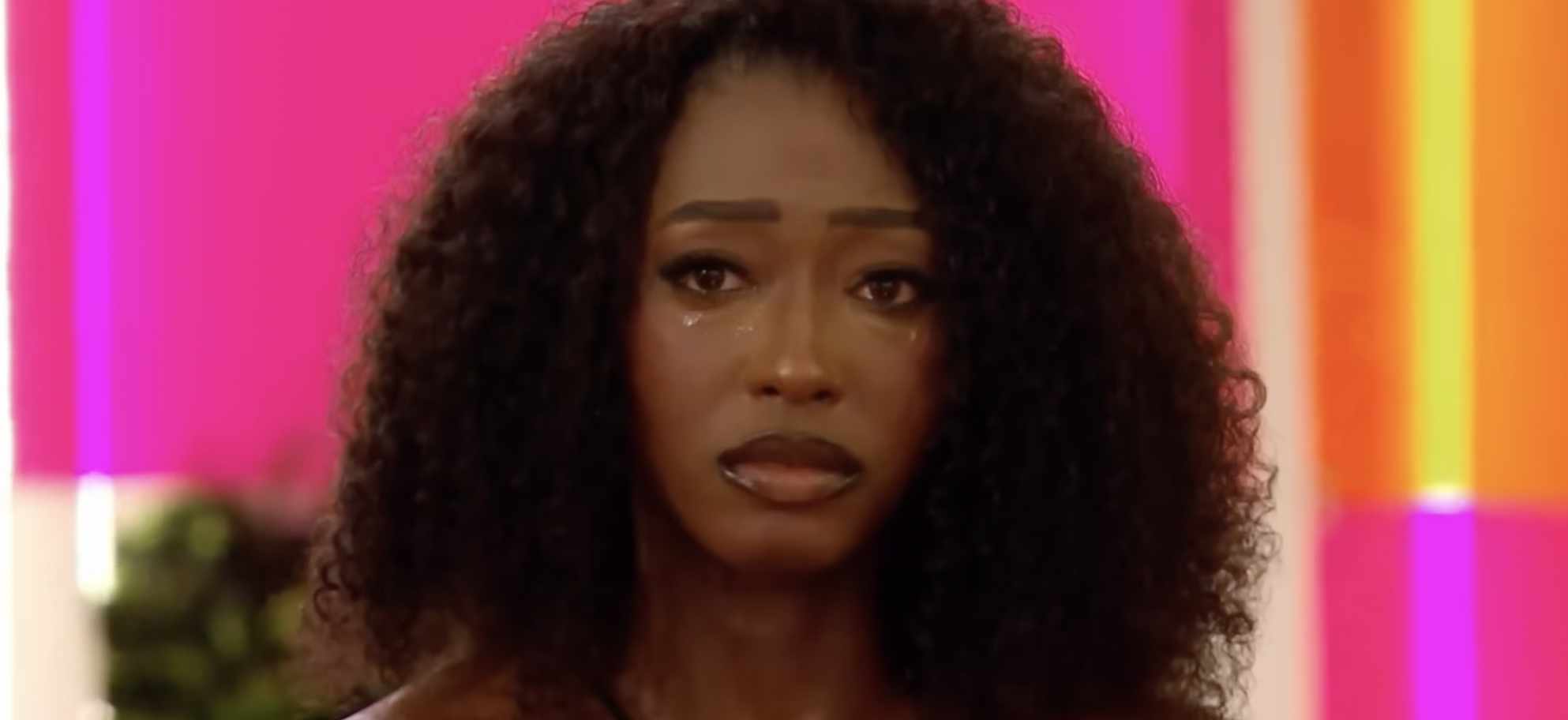
There are more respectful ways to be interested in other people. We call it curiosity when we read a memoir, dig deep into a celebrity scandal, or watch a documentary about someone else’s disastrous life. We can convince ourselves that there is something meaningful behind our interest in pain and chaos. Reality TV offers no such excuse. There is no deeper meaning to watching two people fight about who kissed who during a challenge. There is no historical significance to watching someone cry in a dressing room because the person they’ve been coupled up with for three days is talking to someone else. You’re watching because you want to know.
Reality television not only gives us people to judge, but it also gives us a reason to examine the act of judging itself. I had the advantage of distance. I got to watch situations unfold without being responsible for them, and I could form judgments without having to live with the consequences of what it was that I was judging.
The distance is actually what made the drama enjoyable. The distance is what makes the drama enjoyable. You can be invested, but not involved. You’re close enough to care, but far enough away to feel superior. That’s what’s funny about reality television: the longer we watch, the harder it becomes to separate our interest in the drama, from the drama itself.
Is it okay to enjoy the drama of reality TV? Leave a comment below.