
Internships, GPAs, and LinkedIn Wins: When Success Becomes a Competition
“Why is everyone more successful than me?”
If you asked yourself this question at least once, know that you’re not alone.
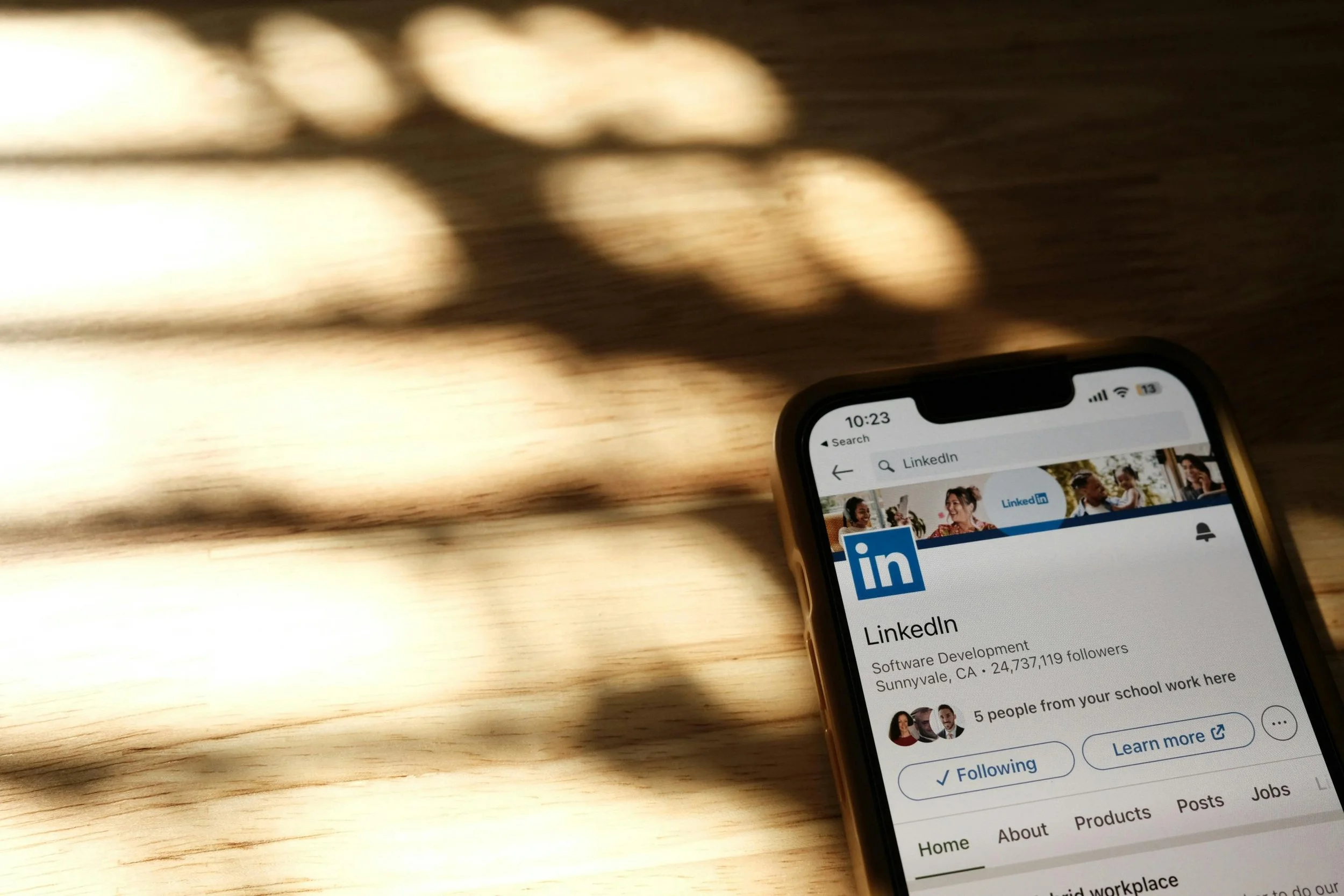
How many times has your confidence taken a hit just from opening LinkedIn? One scroll in and suddenly, your classmate has landed your dream internship. Or your friend is announcing the exact role you applied for—the one you never heard back from. Maybe someone’s celebrating an award or scholarship you didn’t even know existed, leaving you wondering if you’re already behind.
It’s hard to stay confident when everything around you serves as a reminder of what you haven’t achieved yet. How are we supposed to take a break when every notification, post, or update suggests that we’re still not doing enough?
In this article, we’ll explore how constant self-comparison is degrading young adults’ self-esteem, the long-term consequences it can lead to, and steps to break out of this cycle before it becomes self-sabotage.

Source: Pexels
With the rise of the digital era, having a LinkedIn account has become almost mandatory for every young adult starting their career.
We’re expected to showcase our accomplishments, experiences, and aspirations; all while making industry connections and standing out among the competition. From the very beginning of college, we’re told that success depends on who we know, how far we push ourselves, and how willing we are to go the extra mile.
Due to all these demands, we start comparing ourselves all the time. Suddenly, everything starts to feel like a competition. What was supposed to be a professional network turns into a nonstop cycle of comparison and resentment. We find ourselves getting annoyed at people we’ve never even talked to, just because they’re achieving things we haven’t yet—and posting about it.
Source: Pexels
Self-Doubting
Research in psychology shows that frequent upward comparison can significantly lower self-esteem and increase anxiety. When this pattern becomes part of our routine, we start to internalize the belief that we are “not enough.”
This mindset doesn’t just affect how we feel; it affects how we portray ourselves. Students may begin to withdraw from campus activities and experience reluctance when speaking to recruiters. Over time, this creates a cycle where comparison not only damages confidence but also limits real opportunities for growth.
Impostor syndrome
In more severe cases, individuals can develop impostor syndrome. Students often feel that their achievements are underserved and that sooner or later, someone will “find out” they are not as capable as they might seem.
Studies show that over 70% of students and young professionals experience impostor syndrome at some point in their careers—especially in high-achieving or competitive environments. Instead of celebrating our accomplishments, we start to downplay them. Instead of feeling proud when we do succeed, we credit it to luck or timing. And even when we are qualified for opportunities, we hold back out of fear of being “exposed.”
This mindset doesn't just affect mental health; it directly prevents people from pursuing their career goals.

Source: Pexels
Breaking the Cycle
Even though we can’t just delete LinkedIn or other job-searching platforms, there are still ways to reduce the stress they cause and avoid self-comparison. Here are a few simple steps that can help you maintain a healthier mindset while staying connected online:
Treat LinkedIn as any other social media
One way to ease the stress that comes from scrolling through LinkedIn is to start viewing it like any other social media platform. Just as we know that people on Instagram usually share their best photos and angles, the same applies to LinkedIn. Users share their most significant achievements, not their setbacks.
The fact that someone’s feed looks impressive doesn’t mean their journey was easy or flawless; it just means they’re choosing what to show. At the end of the day, we’re all human, with strengths and imperfections—and it’s worth remembering that perfection doesn’t exist, online or offline.
Understand Your Triggers
If using LinkedIn consistently makes you feel bad about yourself, take a step back and reflect on the cause. Identify the types of posts, topics, or accounts that tend to trigger those feelings.
Recognizing these patterns can help you understand which kinds of content negatively affect your mental health. Once you do, consider muting, unfollowing, or simply skipping those posts for a while to protect your well-being.
Acknowledge Your Achievements
Another effective way to reduce self-comparison is to practice gratitude. Taking a moment to list your accomplishments, no matter how small they may seem, helps you visualize how far you’ve already come.
Landing an internship, graduating from college, completing a significant project are milestones that have become so normalized in our career-driven world that we often forget how meaningful they are. It’s important to give ourselves credit and recognize the progress we’ve made along the way.
At the end of the day, everyone’s path looks different. What we see online is just a small part of someone’s reality—the good moments, not the full story. Our worth should not be measured by job titles, announcements, or how fast we reach certain milestones. Real success comes from sticking up for ourselves, staying consistent, and trusting that we’re moving forward—even if it’s at our own pace.