
Bad Bunny’s Love Letter to Puerto Rico
“Ahora todo el mundo quiere ser Latino pero…”
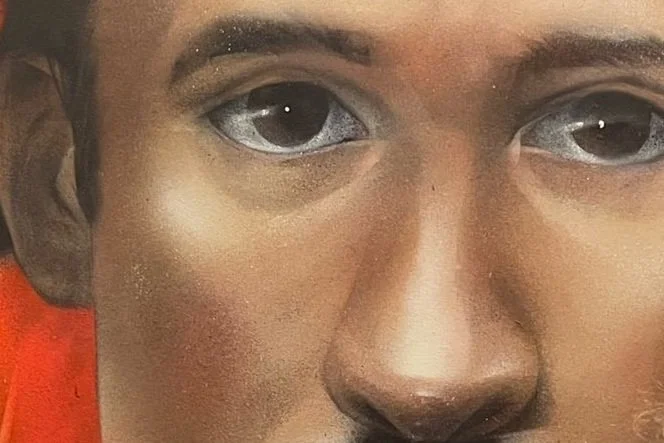
Bad Bunny has become the first artist to have a Spanish-speaking album to reach number one on the Billboard global chart—and he has managed to do it twice. For his latest album “DeBÍ TiRAR MáS FOToS,” he announced a 30-day residency at the Coliseo de Puerto Rico instead of a world tour—with the first 9 dates available for only Native Puerto Ricans. The album is full of Cumbia, Bachata, Salsa, and Reggaeton tracks inspired by popular Puerto Rican songs that every Hispanic child grew up listening to—probably sleeping in between two white plastic chairs while their parents danced till 3 am. Somehow, non-Latino people are still confused when they are told the album “was not written for them.”
Source: Elena Manson
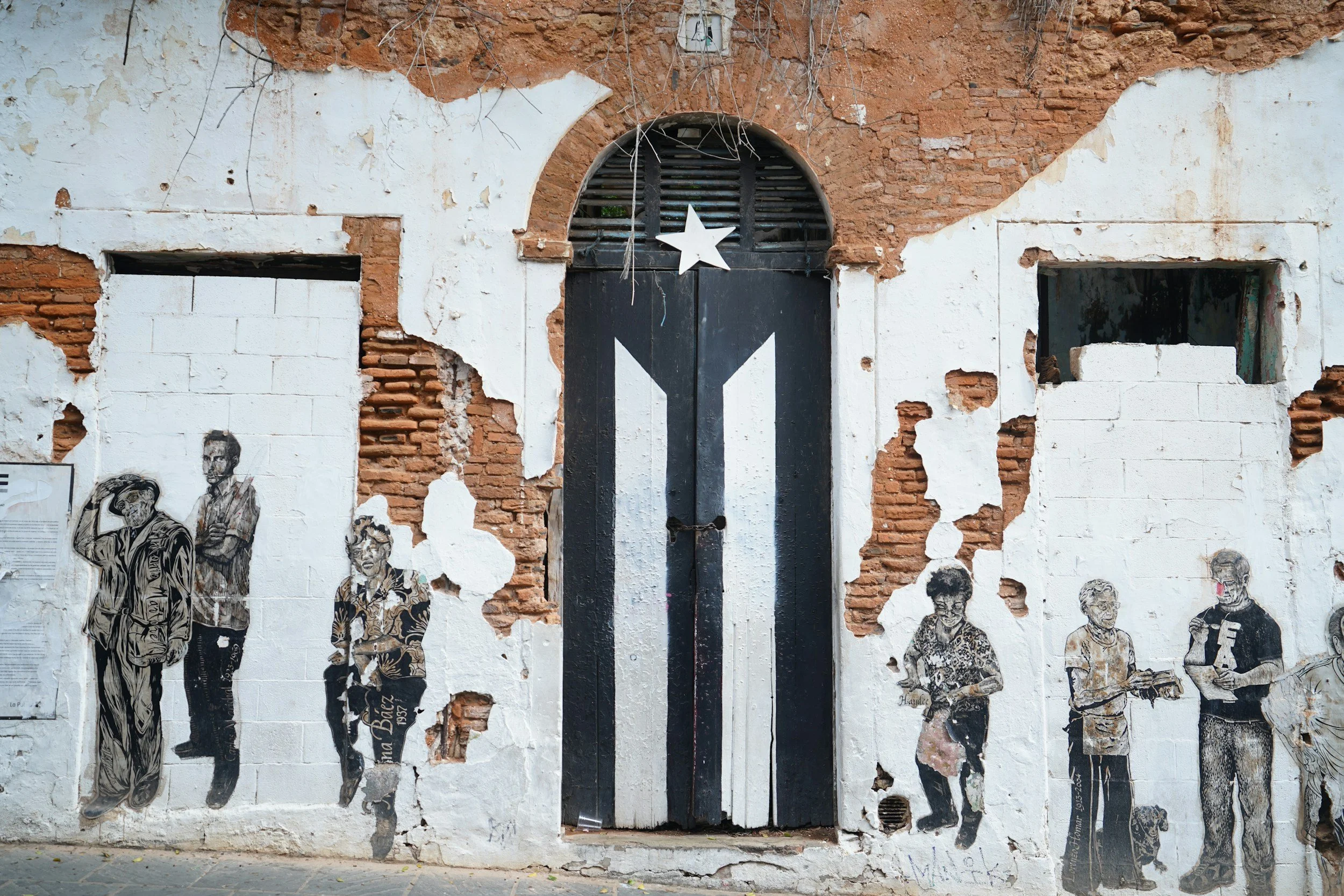
Bad Bunny has described this album as “a love letter to Puerto Rico.” He collaborated with only local artists and remixed Puerto Rican songs from his childhood into a new modern concept. He managed to encapsulate the experiences of growing up Latino in a way only other Latinos can relate; these songs definitely feel like a warm hug to any Latino soul. The tracks make you want to dance, cry, and dig up the pictures of your “prima’s quinceañera,” but Bad Bunny was interested in adding a history component to teach about his culture through the lyrics and melodies of his tracks.
Source: Unsplash
Bad Bunny has always been very outspoken about his political views and using his art as activism, and this album was not the exception. While it does feel like an homage to growing up Latino, it also exposes the gentrification crisis Puerto Rico—and Latin American countries— are experiencing. Housing prices have gone up, food is no longer spicy so foreigners can digest it better, businesses accommodate more English-speaking people than locals, and traditions are being erased for the comfort of tourists.
In his 2022 album “Un Verano Sin Ti,” Bad Bunny sang “Ahora todo el mundo quiere ser Latino pero…” (now everyone wants to be Latino but…) when they romanticize the Latino lifestyle, they do not understand everything it encapsulates.
It is impossible to talk about the Latino experience without acknowledging all the poverty, health, corruption, and gentrification issues these countries face. What tourists often fail to realize is that when they visit these locations in a way that’s not mindful of the culture, they end up squeezing out the most beautiful parts of it, leaving these countries to deal with the “ugly sides” on their own.

Source: Divan Alvarado
In an interview with The Times, Bad Bunny explained the meaning behind his song “TOURiSTA” and the correlation between a love that is passing and a tourist who “[comes] here to enjoy the beautiful places, and then they leave, and they don't have to deal with the problems we deal with day-to-day.”
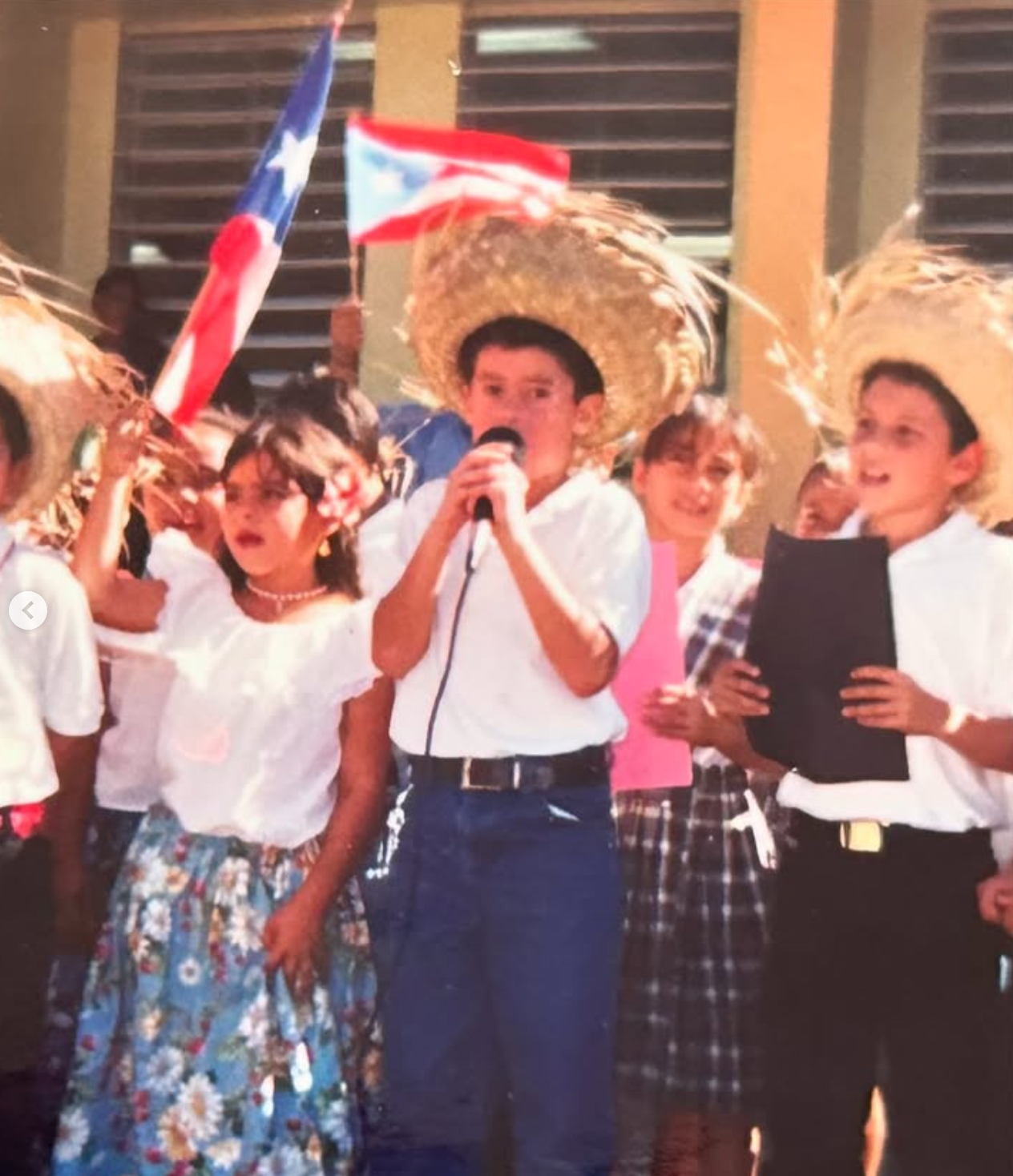
Even though this album can be listened to and enjoyed by everyone—regardless of their nationality or mother tongue—when we express that non-Hispanics can not directly connect with this album, it’s because they did not grow up with the same experiences we had. This doesn’t just mean the good parts, but also all the struggles and issues, too.
Source: Bad Bunny
Yes, growing up Latino is dancing in the streets, making family out of strangers, and cooking for the people you love, but it is also dealing with constant electricity blackouts (as highlighted in the song “El Apagon”), gender inequalities and femicides (“Andrea”), corruption (“Afilando los cuchillos”), and gentrification (“LO QUE LE PASÓ A HAWAii” and “TURiSMO”). One can not relate to this album without understanding all the underlying issues that these songs carry within—the nostalgia and the courage—and one cannot celebrate the Latino lifestyle without considering the social issues fought on a daily basis.