
Taking Fast To Forever: The Nontoxic Closet
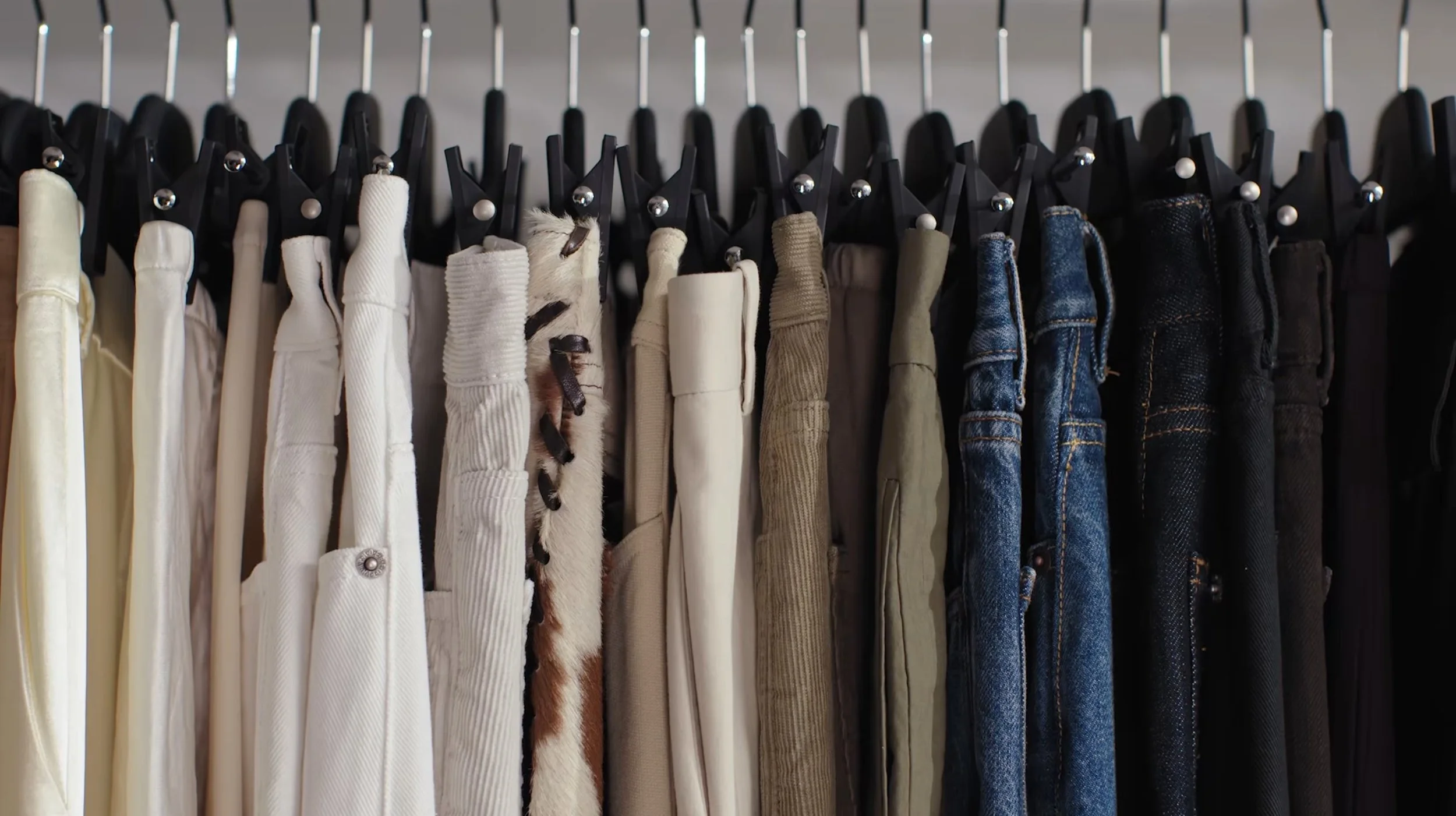
My favorite topic in recent media has been the nontoxic lifestyle. While nontoxic living isn’t new, it has resurfaced across platforms as concerns about microplastics rise. These days, nearly everything is plastic, pushing people to replace items from hairbrushes to cleaning supplies. Why should clothes be any different? Polyester, a fabric made entirely of plastic, is now inescapable. The latest trend of our generation isn’t mom jeans or ballet flats; it’s the era of plastic clothing. But why has it become so mainstream, and why should we avoid it?
Source: Youtube
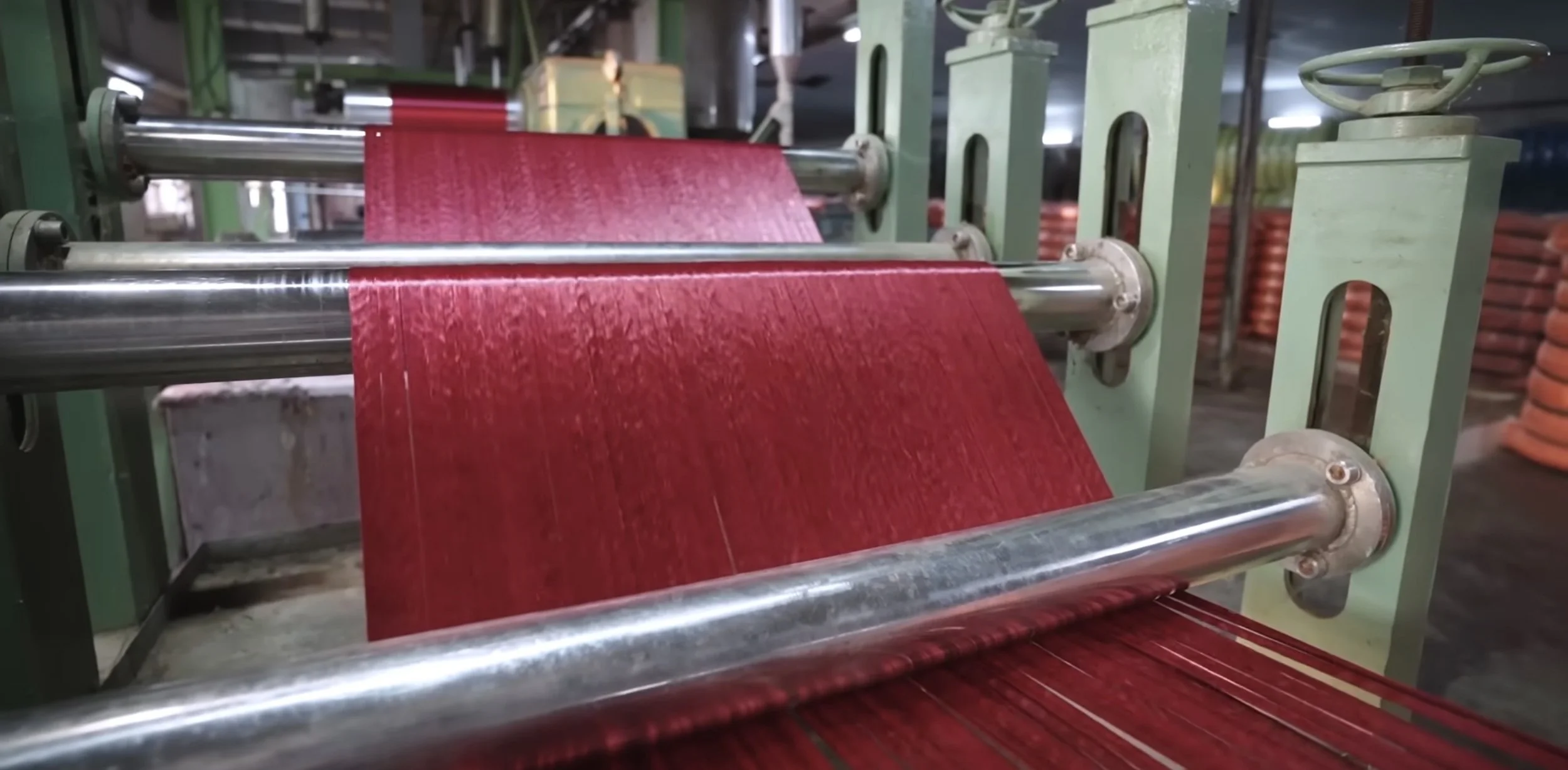
Polyester was introduced in the 1950s as a revolutionary material marketed as “the miracle fabric”. It didn't require ironing and could simply be tossed into the wash. This made it incredibly convenient for women at the time. Its quick-drying and water-repellent properties make it ideal for button-ups, rain jackets, and puffer coats.
Fast forward to today, and polyester is everywhere and in almost every store. But why is it considered harmful?
The truth is, polyester isn’t entirely evil. It serves a purpose in items where natural fibers can’t compete, like water-resistant or durable outerwear. The problem occurs when polyester becomes the default fabric, consuming our entire wardrobe.
Studies now show its negative impact on the body. Many cheap polyester garments contain PFAS, also known as “forever chemicals”, which never leave your body or the environment. These chemicals are linked to skin irritation, rashes, and dermatitis. Further, they have now been proven to lead to infertility in both men and women.
Source: Youtube
Besides polyester, there are several other synthetic fibers to avoid because of their health and environmental impacts. Nylon, while durable, is derived from petroleum, which adds to the spread of microplastics. Acrylic, often used as a wool substitute, is made from polypropylene, which is lightweight and moisture-resistant. The downfall is that it’s another petroleum-based fiber, can leach microplastics, and is particularly problematic in fast fashion. Finally, Spandex. Spandex is used for its elasticity and is a blend of synthetic polymers that adds to the microplastic burden and is also hard to recycle.
Now that we have covered all of the avoidable options, here are some materials you should look for. Organic cotton stands out as a top option because it grows without any pesticides or fertilizers. Hemp is another great alternative, as it requires minimal water and grows quickly without pesticides. Linen, made from flax, is biodegradable, highly breathable, and durable. Finally, we have wool, which is renewable, biodegradable, and naturally temperature-regulating.
Unlike polyester and similar synthetics, these fabrics are good quality and can last quite a long time, perfectly encapsulating a nontoxic capsule wardrobe.
As the nontoxic lifestyle grows in popularity, our clothing choices are a good way to start. The rise of plastic fabrics reflects our convenience-driven desires, but comes with a price to both our health and the planet.
The good news is that sustainable alternatives exist, and you don’t have to overhaul your wardrobe overnight. Small changes can add up over time, helping you transition to a nontoxic lifestyle at your own pace. Every little thing counts, and with each swap you're choosing a healthier future for yourself and the planet.
What’s a small step you’ll take to replace or reduce toxic materials in your wardrobe? Leave a comment below.