
Peace, Love, and a Revolution: Woodstock's Lasting Legacy
For thousands of years people have come together to celebrate their love of music. Nothing brings people more together than a shared experience of loving a sweet melody. From the beginning of time, festivals have brought people from all over the world to rejoice in the love of a shared interest. However no festival has broken through, and pioneered the way for modern day music concerts, like the 1969 New York Woodstock festival.
source: Wikipedia
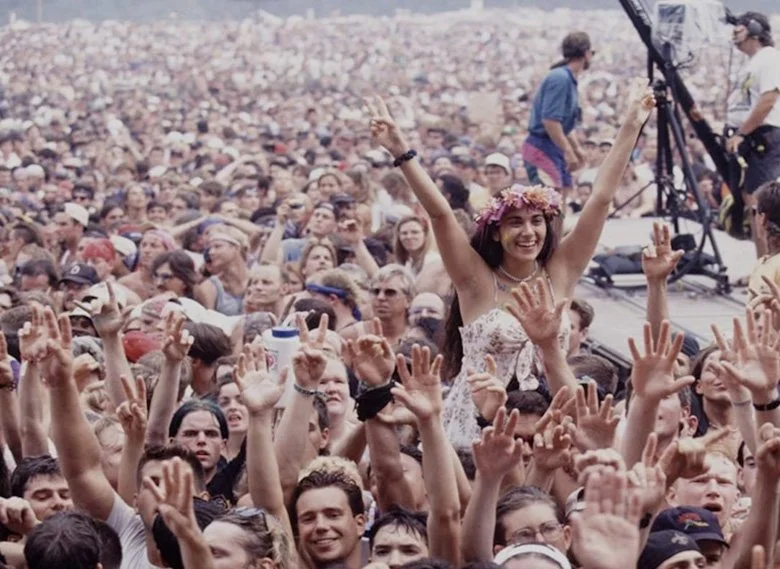
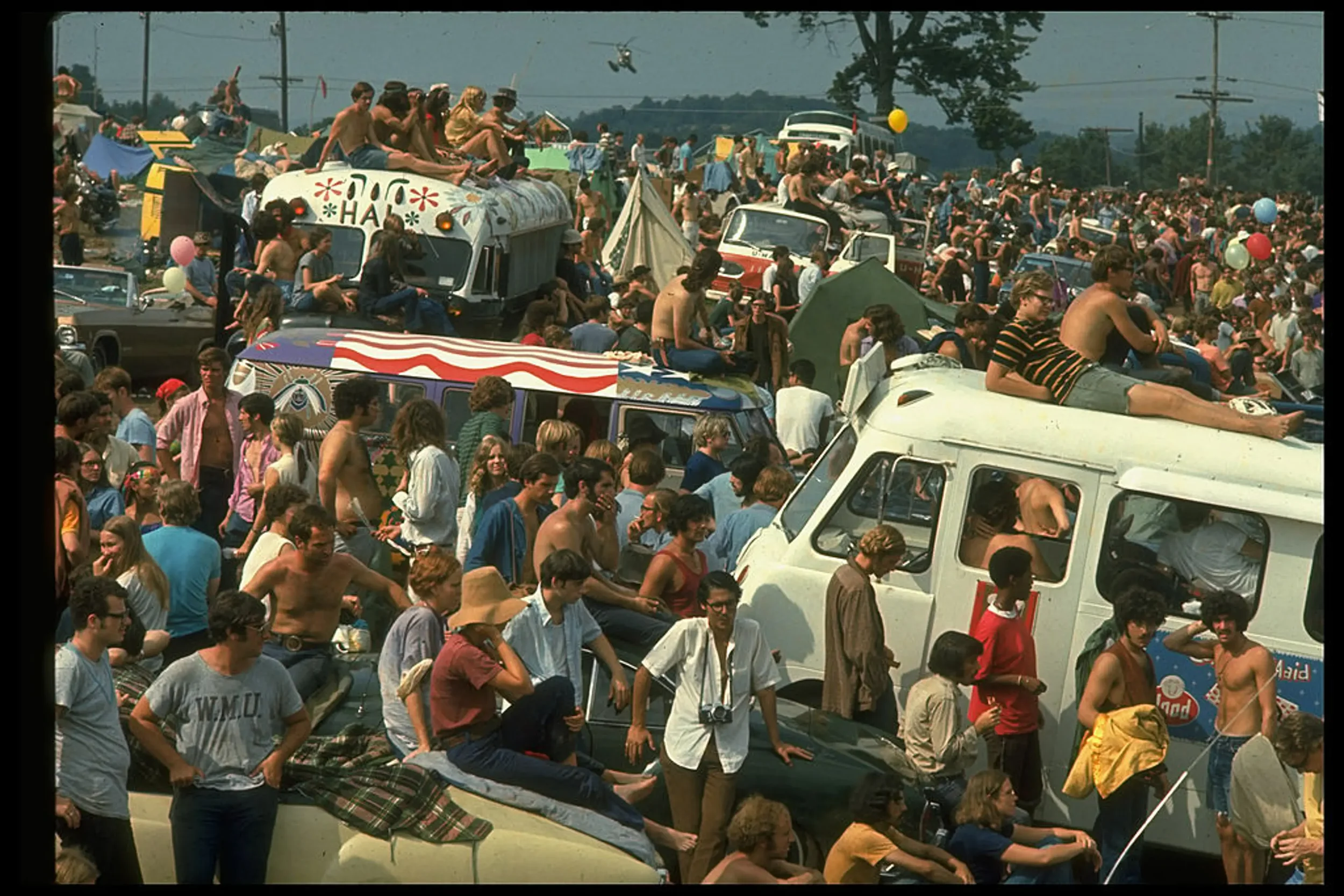
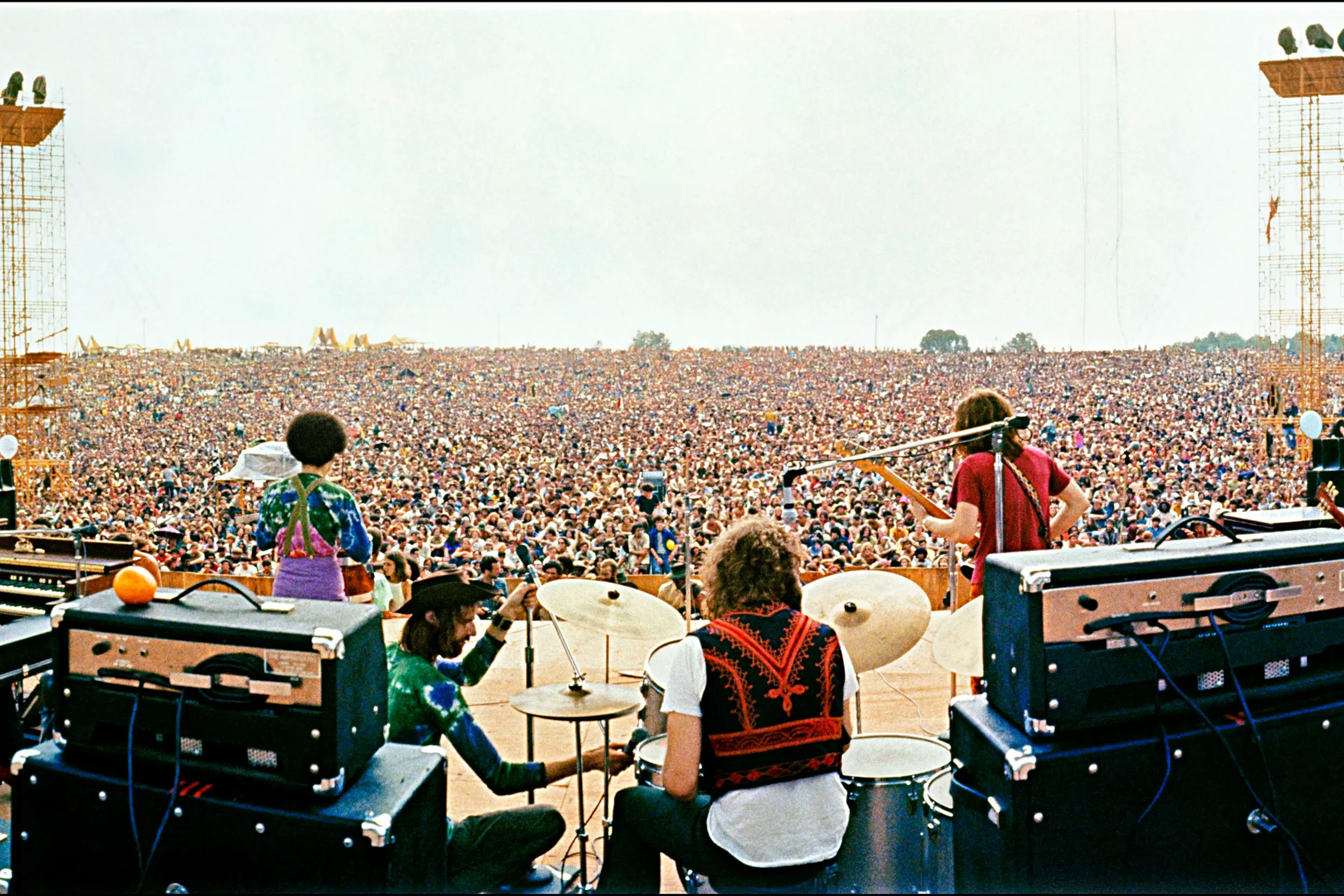
The Woodstock music festival was never just about the music. Woodstock was a symbol of freedom, rebellion, and cultural change. The new generation came together to revolt against the traditional societal norms. Fans arrived in all different styles whether it was by vintage automobiles, Volkswagen buses, or on the traction of their own bare feet. Woodstock revolutionised everything concerts today stand for. The New York festival was hosted on a beautiful farm in Bethel. The venue was initially anticipated for 50,000 attendees, but reached a resounding attendance of nearly 500,000 fans upon the small dairy farm. Woodstock's remarkable attendance drove traffic stretching more than 20 miles back. Fans passionately abandoned vehicles with nothing more than a sleeping bag, and the clothes on their back.
Woodstock symbolized the desire for peace and community. The four day festival withstood rain or shine, and hosted a resounding number of 32 musical acts. Legends such as Jimi Hendrix, The Who, Janis Joplin, The Grateful Dead, and numerous other prodigies struck the stage. Whether it was the hum of an acoustic guitar, or the melody in a familiar song, fans relished in the festival's youth, and political rejection.
source: Time Magazine
Woodstock founded the idea that festivals stood for more than just the music. Woodstock influenced future festivals to become a movement for the arts and fashion. Fans arrived globally to show off their creativity, placing these festivals on the map for their distinct visual aesthetics. Recent festivals such as Coachella and Lollapalooza became more than just a concert, but a cultural phenomenon. Woodstock changed the vision behind festivals, building a culture and community in the music. Nowadays, modern concerts stand on an artistic forefront. Fans take the initiative to craft and assemble clothes in a cohesive theme. Woodstock's assembly of vibrant colors, and bohemian outerwear created the way that festivals became fashion forward, and a symbol of individualism.
The 1969 show introduced a deeper meaning. Political freedom. The show was a revolution against the Vietnam war, military drafts, corrupt authorial issues, and global injustices. Woodstock introduced the political aspect to festivals, influencing the way modern day artists take advantage of their audiences. Since the 60s festival, concerts nowadays campaign against social and political causes. Enforcing fans to revolt against societal issues. Festivals attract communities of hundreds and thousands of fans, so by presenting our artists with the platform and authority to speak out freely against corruption we’re given the chance to make a change in our society.
source: Time magazine
Overall the 1969 Woodstock festival left a tremendous legacy that impacts the way we enjoy music to this day. Whether it was the festival's artistic introduction or political influence, concerts nowadays have the freedom to be as revolutionary as they’ve become thanks to Woodstock's impact on our society. Now artists of all genres, and fans of all generations can bask in the sense of community and empowerment in every concert or festival. Though music's constantly evolving, we’ll never experience a festival as impactful as The 1969 New York festival.