
The Luxury of Disconnecting
The 1990’s introduced the World Wide Web, opening doors to platforms like GeoCities and MySpace. These sites let individuals connect with family and friends from the computer, giving you glimpse of the outside world without leaving home. When it was time to log off, you could simply walk away and return later. This, at the time; was luxury for those who had access.
Now, there’s isn’t any place without turning around and seeing a mini computer in someone’s hand. You can’t just walk away anymore. This accessibility escalated quickly into an addiction for a lot of people and you don't even realize it. My New Year’s resolution this year was to spend less time on my phone; and unless you try it yourself, you don't realize how hard it is. Everything relies on your phone like, keeping up with trends, school, even having a job. You used to have to wait days for a letter, nowadays people get frustrated if they don’t answer emails fast enough.

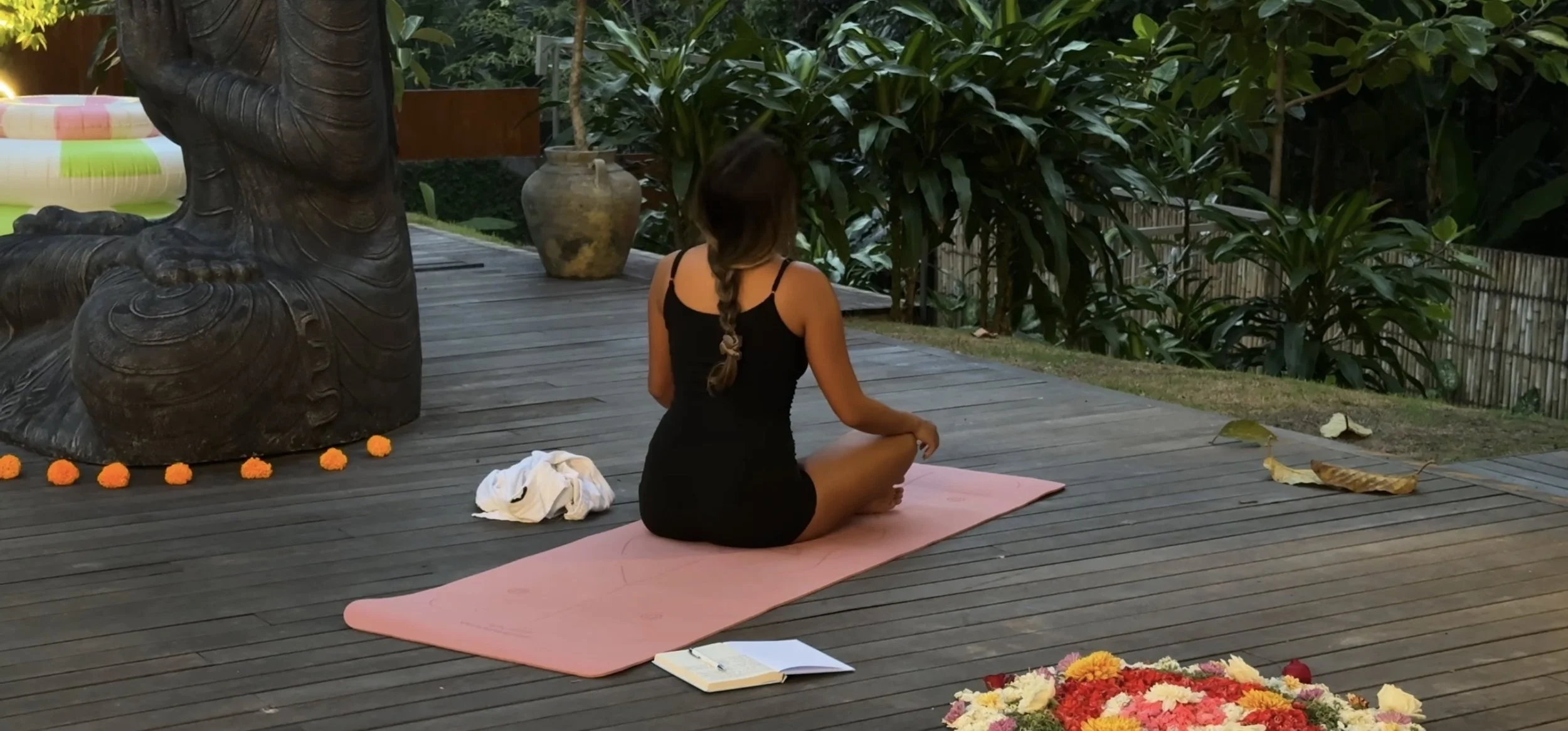
The latest vacation trend? The digital detox. While we used to pay to be online, people now pay to disconnect. The core idea of these getaways is a space where there are no phones, laptops, or wifi. A sweet escape for a weekend or several days to be completely unplugged from your phone in a quiet natural setting far from the urban life. Many of these retreats focus on mental health and emotional healing as social media is now slowly destroying it for us. They provide activities like yoga or physical movement to add the ease of being offline. These retreats are usually set in remote areas, imagine mountain lodges, beachfront villas, desert oases, and even forest cabins.
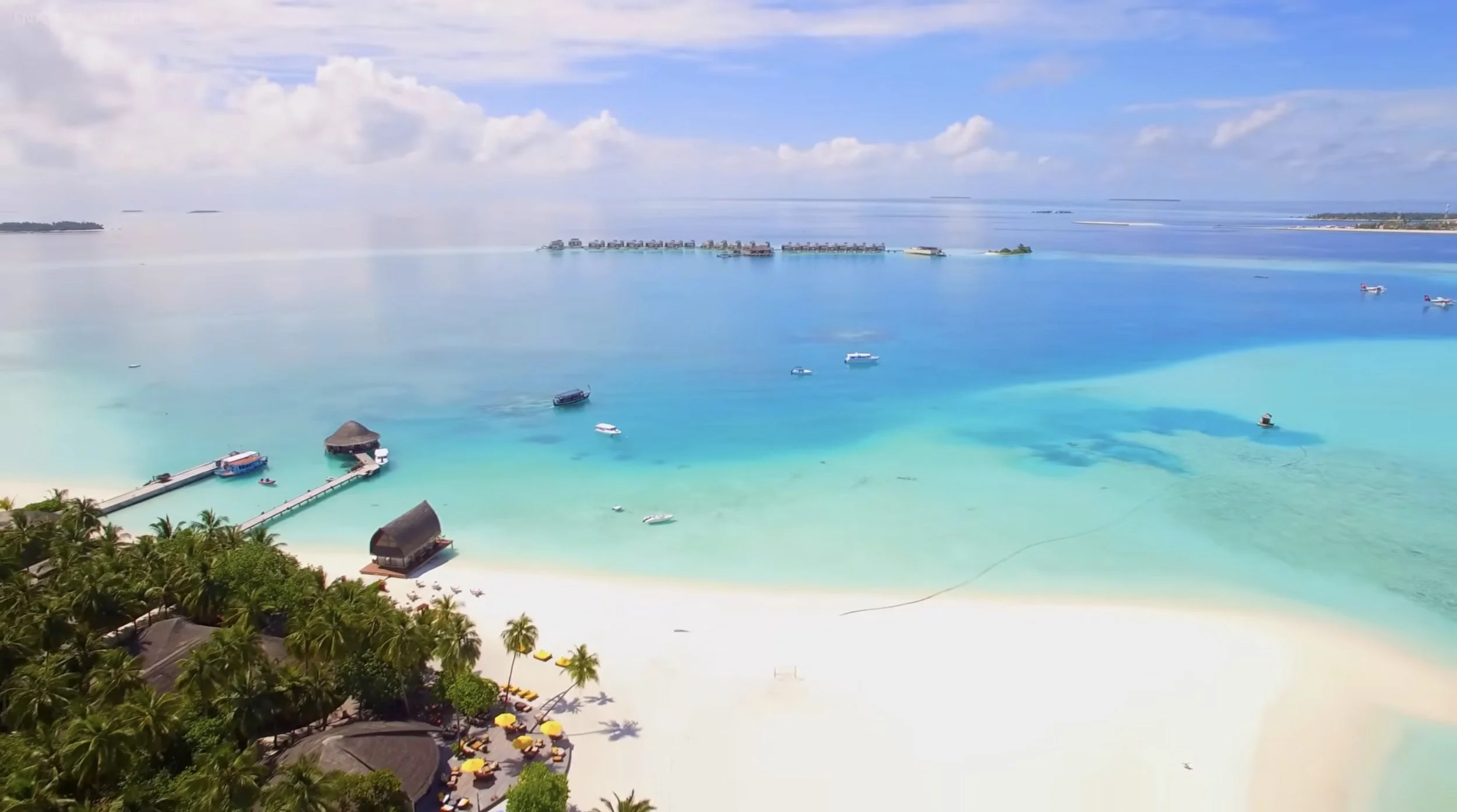
While this idea of disengaging and reconnecting with nature sounds appealing and even crucial to most these days, the reality is that most seclusions are catered to individuals who can afford to step away from their devices. Most digital detox retreats are not cheap. Prices can range from $600 to over thousands of dollars. The people who likely need a digital detox are those who are constantly glued to screens because of work or juggling parents who often are the ones who can’t afford it. It’s crazy to realize that the very billionaires shaping our digital world don’t even let their own children near social media. Mark Zuckerberg, the creator of today’s modern social media, has openly stated that he doesn’t allow his kids to use the own platforms that he has created. Others like Steve Jobs and Evan Williams, have also made similar choices, sending their children to tech-free schools. So if people with the economic accessibility and power to restrict their own children to not be near social media, why should the rest of us have exposure to the media?
If you could disconnect from the world where would you go? Leave a comment down below!