
Aisle Be Honest
Grocery shopping used to be a necessity—not a luxury. With the rising prices in fresh and organic produce, why have grocery stores started prioritizing their aesthetic?
Shopping for groceries is one of the most ordinary things every person does. Grab a basket, pick up those essentials, and head home. But between the rising prices of groceries and the curated shopping carts, buying food has now become a status symbol.
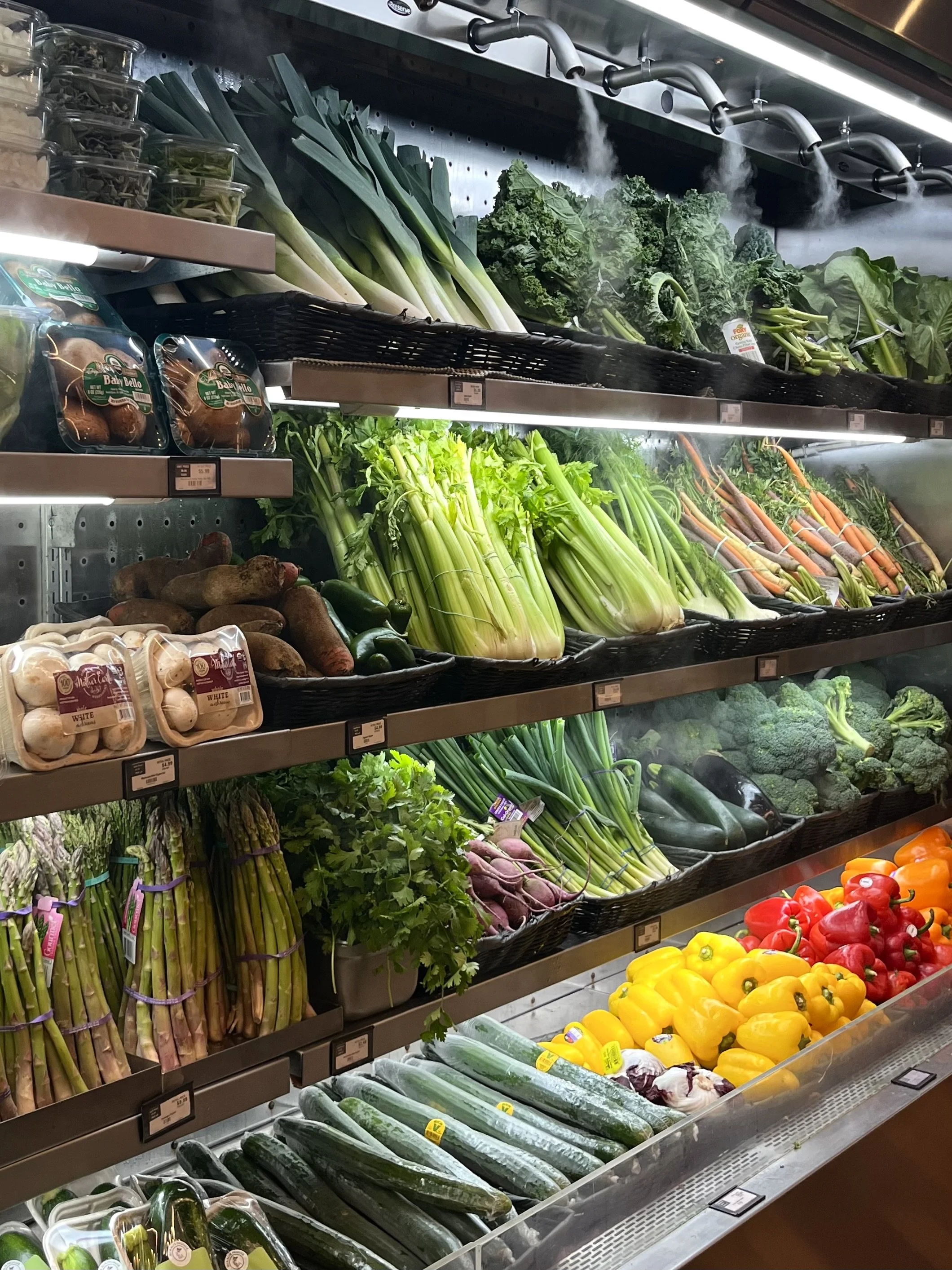
Source: Victoria Tran
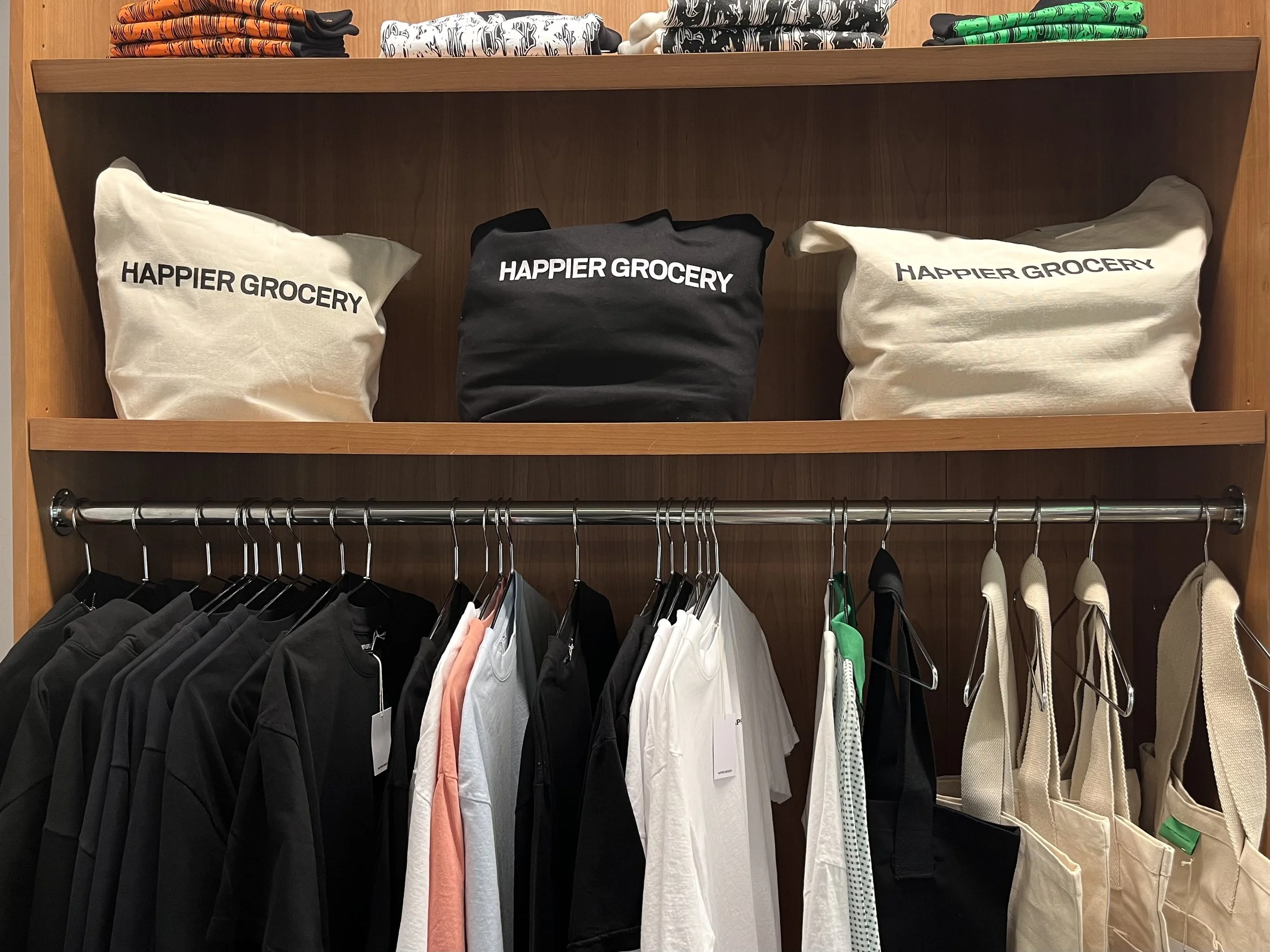
There has been a growing wave of luxury grocery stores, with Happier Grocery being the perfect example. When I visited, everything inside seemed intentionally placed. From the produce to the packaging, the environment felt almost intimidatingly polished. But, why are we making something as basic as buying food aesthetic?
The answer might actually have less to do with the design, and more to do with what we are missing.
When something becomes scarce, we don't just miss it: we romanticize it.
With grocery prices continuing to climb, the simple act of buying fresh food has become increasingly stressful. According to The Atlantic, grocery prices in the United States are approximately 30% higher than they were in January 2020, reflecting years of supply - chain disruptions, and rising costs. Food is no longer something everyone can purchase without thinking twice.
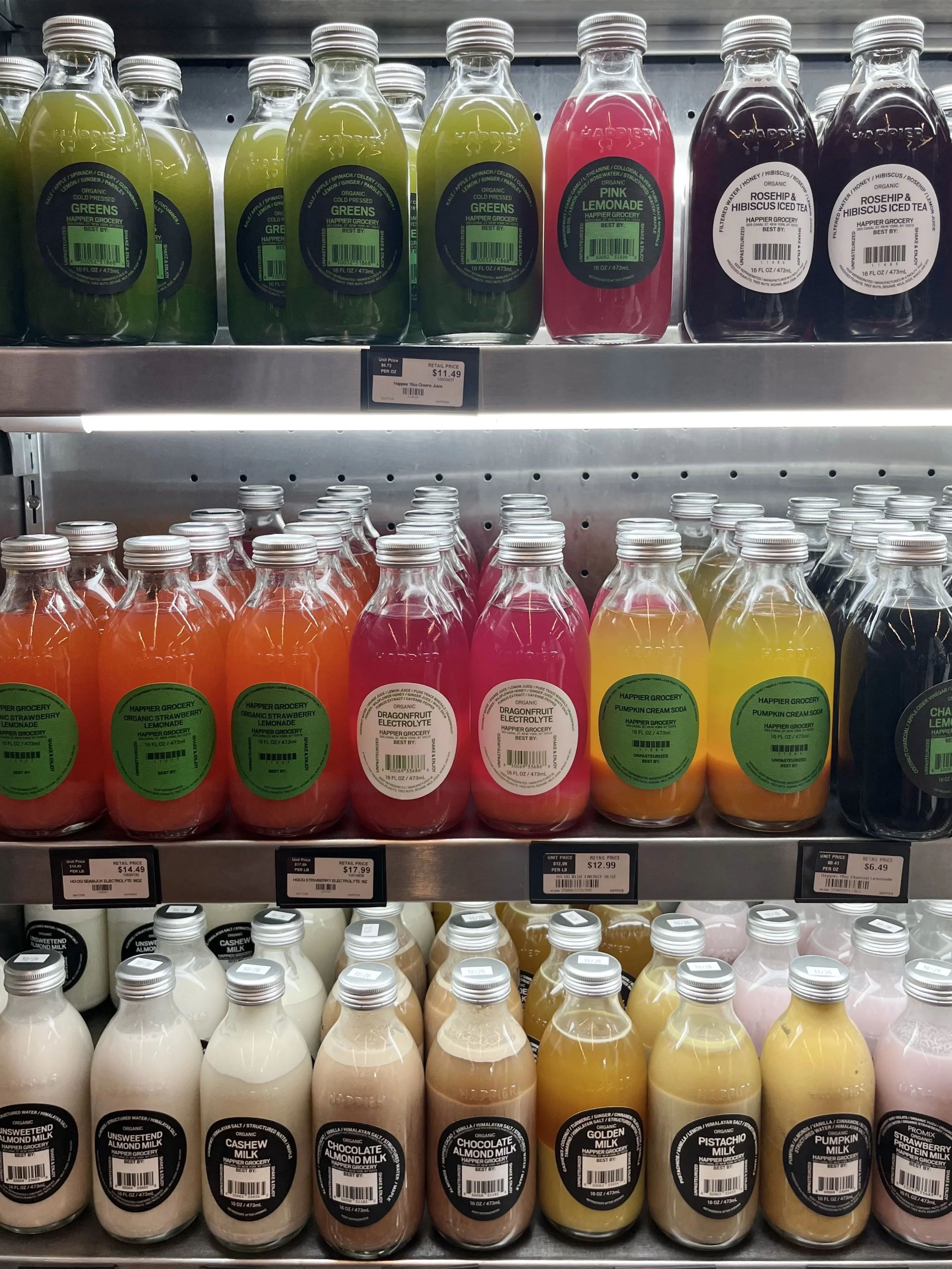
Source: Victoria Tran
And when something becomes harder to afford, it becomes easier to turn it into a luxury.
Happier Grocery feels like a reflection of this shift. The products, packaging, and atmosphere make everyday essentials feel special, transforming an ordinary routine into something worth documenting.
It is the same reason people romanticize farmers markets and beautifully arranged refrigerators. We are not necessarily engrossed with grocery shopping itself. We are fixated with the idea of a life where grocery shopping feels enjoyable instead of financially overwhelming.
It is comforting to watch and imagine a world where buying fresh produce is a small luxury rather than another expense to calculate. Fresh food is becoming a status symbol.
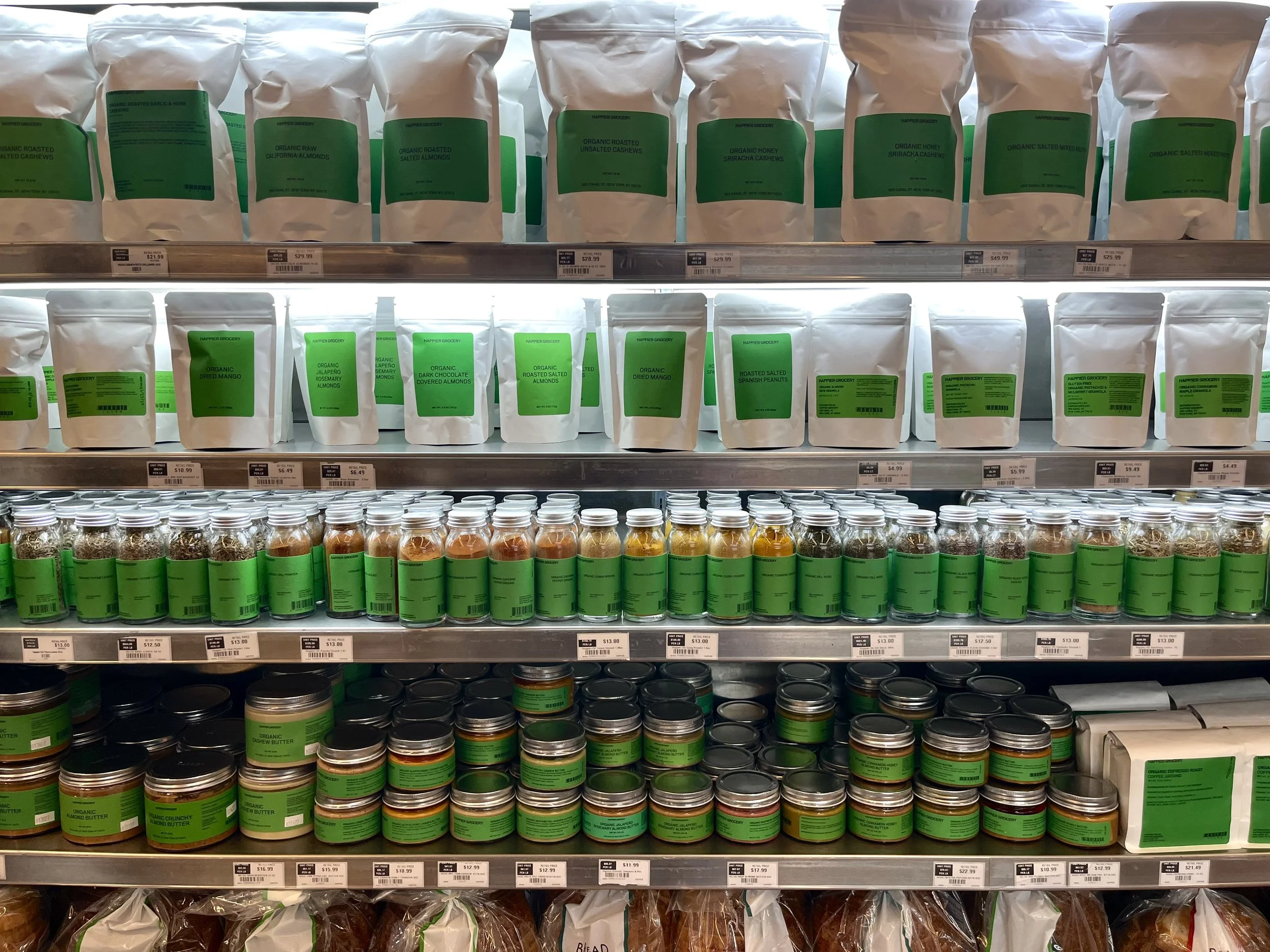
Source: Victoria Tran
For years, luxury was associated with designer products. Now, it’s also being associated with the ability to buy organic produce, specialty ingredients, and groceries that feel good for you.
The difference is that food is something everyone needs, yet the ability to purchase certain kinds of food is becoming increasingly tied to income.
A perfectly stocked refrigerator has become its own form of lifestyle content. Fresh strawberries, colorful vegetables, and conscientiously arranged ingredients communicate a certain kind of wellness. They suggest someone who has the time, money, and energy to prioritize themselves.
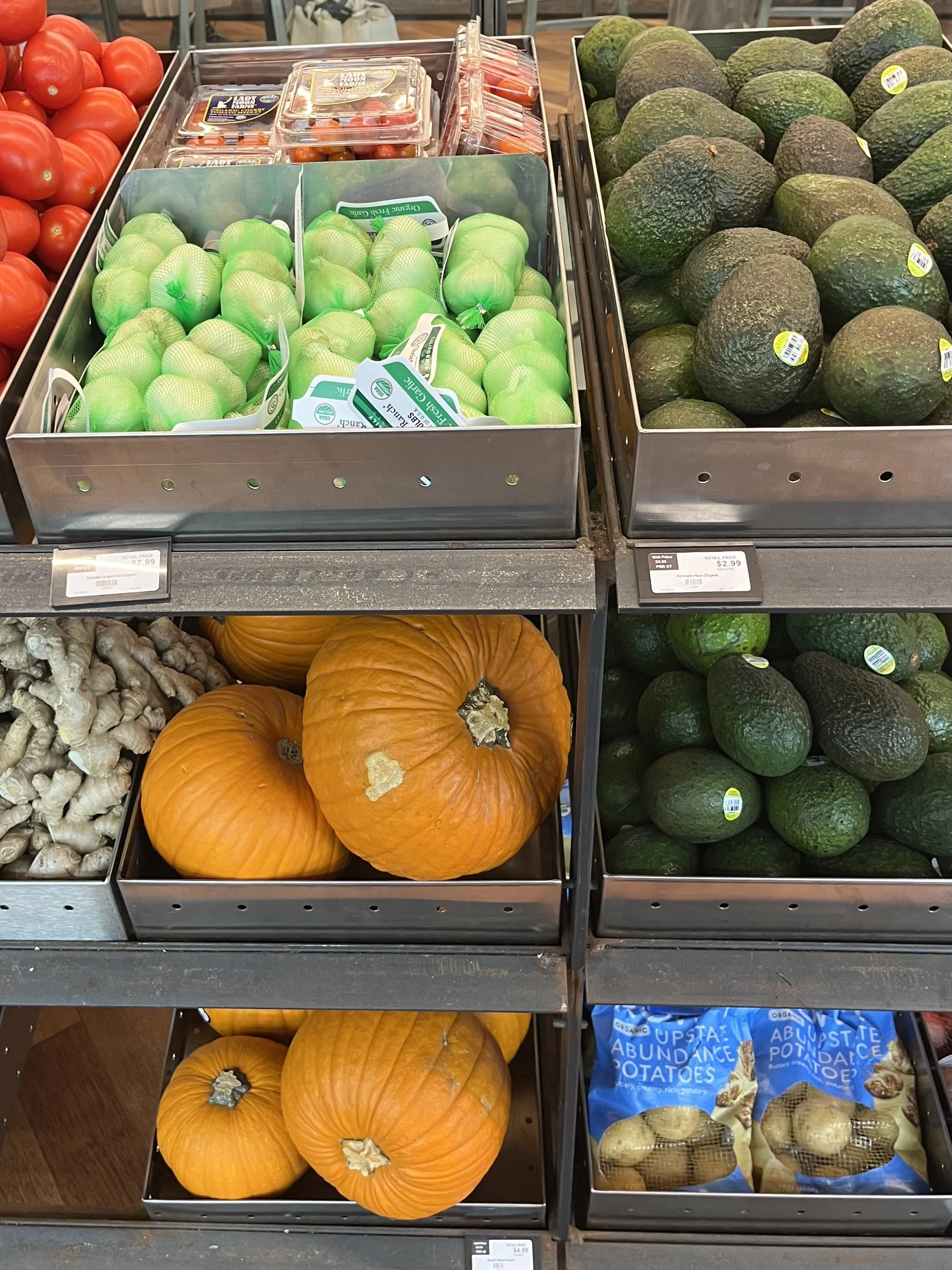
Source: Victoria Tran
But the aesthetic comes with a contradiction. The foods being romanticized are also the foods people are struggling to afford.
When brands make fresh food look aspirational, they risk turning something essential into something exclusive. The same products that symbolize wellness and abundance online can represent financial stress for someone else.
The aesthetic grocery store is appealing, but it also reflects a culture where even basic necessities are becoming part of the luxury conversation.
Walking through Happier Grocery made me think about how much meaning we attach to everyday experiences, once they become harder to access. Should we really be romanticizing our expensive—yet necessary—healthy eating plates?
Source: Victoria Tran
The appeal is not just the produce or its packaging. It is the idea of a life where buying groceries feels exciting, and where food is something you can enjoy rather than worry about.
That is what makes the aesthetic grocery store so compelling.
It takes something so ordinary, and gives it a feeling of abundance. The real question is just whether that feeling can subsist without turning affordability into another luxury.
Because fresh food should not have to look expensive to feel valuable and grocery shopping should not have to become an aesthetic to make us appreciate something we have always needed.
What are your thoughts on these aesthetic grocery stores? Leave a comment below.