
Is Your Playlist the Reason for Your Mood Swings?
One day, you might find yourself listening to sad songs, looking through the window and picturing yourself in the music video, relating a little too much to the lyrics. Then your playlist shuffles to a more upbeat pop hit that can make your ordinary commute to class more enjoyable.
Whether it’s Addison Rae making you feel like the world is your oyster or a Disney song bringing back moments you may have forgotten. Music has a remarkable way of directly affecting how we feel.

The relationship between music and mood goes beyond our musical tastes; it involves how our brains perceive sound, emotion, and memory.
Melody, rhythm, tempo, and harmony all contribute to the emotional experience of listening. When we listen to music, we engage the brain's reward system, which helps explain why certain songs can trigger excitement, anticipation, and enjoyment. Research done by Reybrouck and Van Dyck in 2024 explores how music can trigger neurochemical responses associated with pleasure and reward. The tempo also plays a role: faster music can create a sense of heightened energy, while slower arrangements may encourage a calmer state. However, sound alone doesn't determine our reactions; cultural backgrounds and individual preferences shape how we interpret what we hear.
How music influences our emotions can also vary by genre, rhythm, and overall sound. An upbeat pop or dance song can make an ordinary moment feel more exciting, motivating, or approach our day more energized. Think about a Pitbull song that can suddenly turn a quiet moment into a mini celebration. Hip-hop and Rap, on the other hand, can create feelings of confidence, motivation, and empowerment, especially when the listeners connect with the lyrics and the artist's message.
Music can create physical responses in the body. When we listen to a song we enjoy, the brain reward system can release dopamine, a neurotransmitter associated with pleasure, motivation, and anticipation. Salimpoor et al. Found that listening to pleasurable music can trigger dopamine releases. It can also activate the sympathetic nervous system, increasing physiological arousal and making us feel more alert or energized, depending on the music and the individual. This response can involve changes in heart rate and other signs of bodily excitement. A simple high-energy song can do more than improve our mood; it can make us feel ready to move, exercise, or be alert.
It might seem counterproductive to listen to songs about heartbreak, loneliness, or loss when we're experiencing those feelings. But hearing someone else put into words emotions we can't explain can make us feel understood. Rather than trying to immediately escape sadness, as human beings, we may use music to acknowledge what we are feeling and find comfort in knowing others have experienced similar emotions.
Not everyone perceives music with the same intensity. For some, a song can completely change their mood, while others may enjoy the melody, sing along, and go about their day without giving much thought to what the lyrics are saying. Familiarity, attention, personal associations, and differences can all influence how we experience music. A 2024 study by Sun et al. shows that our relationship with music isn't uniform: sometimes we actively listen to the lyrics and connect with the meaning, while other times music simply becomes background noise in our everyday lives.
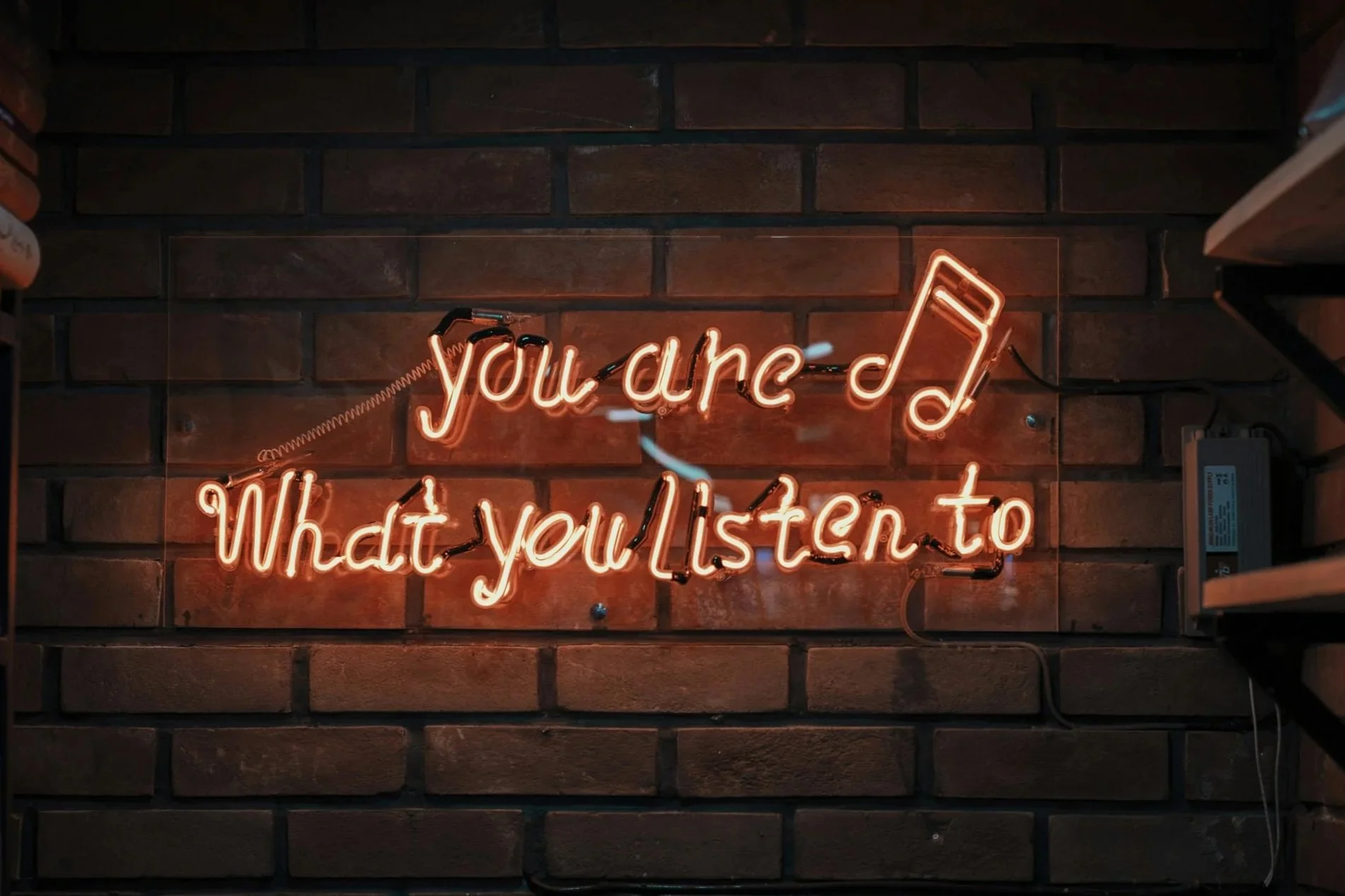
Music doesn’t just fill our playlists; it may also drive our mood swings. The slower, calmer playlists playing in restaurants to put us at ease, the cheerful songs in retail stores, and the songs playing in gyms, cafes, and other public spaces are chosen to nudge how we feel and behave. Even when we don’t notice, a song in the background can change our mood in the moment.
Ultimately, music is more than entertainment or something we listen to pass the time; it can energize us, comfort us, bring back memories, and even influence how we experience everyday situations. Whether we turn to a sad song to process an emotion or a hyped hit to make an ordinary day feel more exciting, our relationship with music is deeply personal; perhaps that is what makes it so fascinating: music isn't just about what we hear, but what it makes us feel.
Does your most-played song match your mood, or does it create it? Leave a comment down below!