
Fonts in Fashion
Source: Squarespace
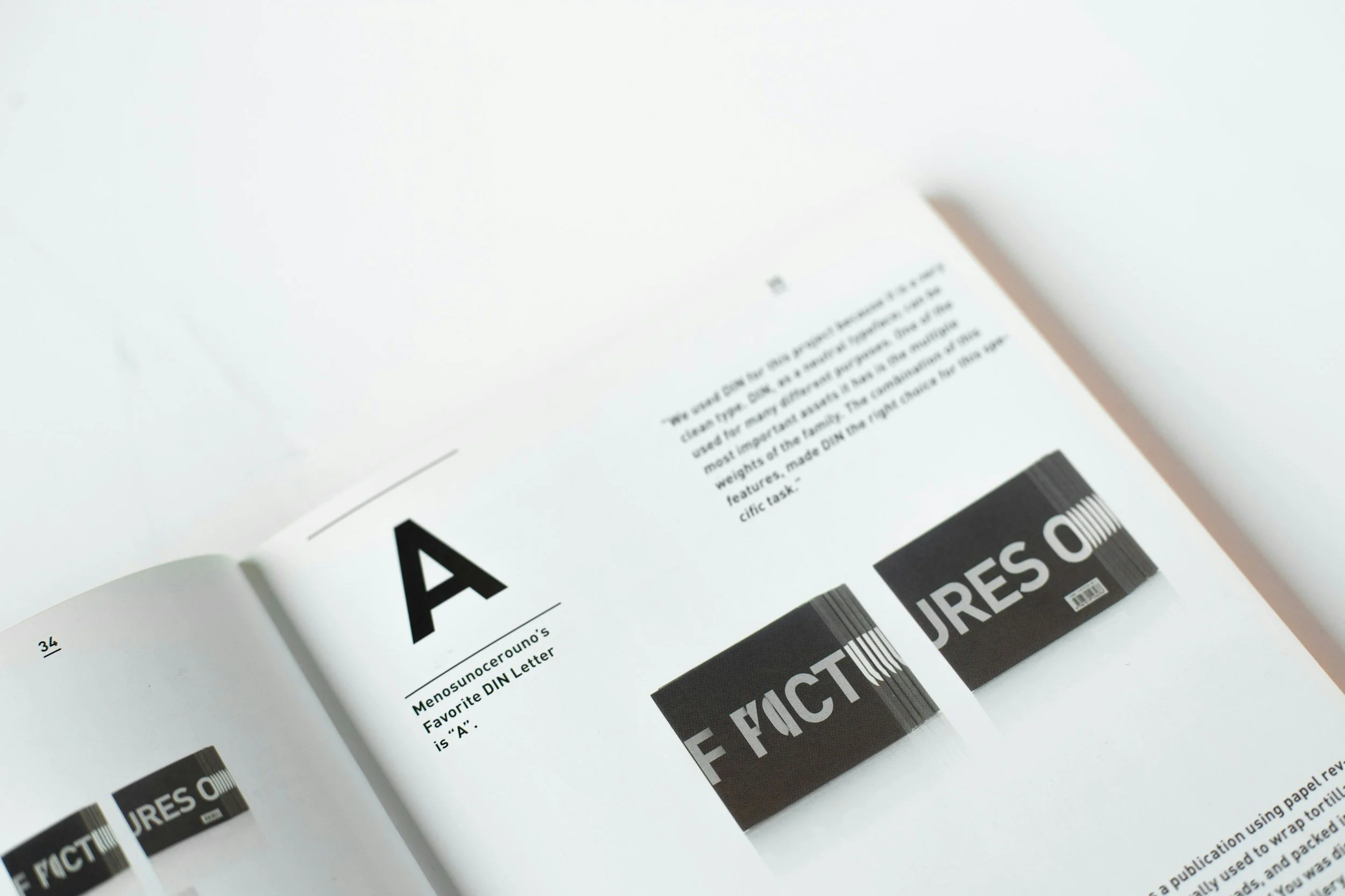
Typeface is a strong, powerful tool that is often overlooked in the fashion industry. The selection of a font often defines a brand’s mood, identity, and values, before a customer even interacts with them. When choosing a font, there are traditionally four different types of font archetypes: Serif, Sans Serif, Script, and Decorative. From luxury houses to fast-fashion retailers, typography plays a key role in shaping how consumers perceive a brand and whether they feel connected to it.
Luxury houses use fonts to reflect elegance, heritage, and quality. Many of these brands rely on serif fonts – especially old style, transitional, or modern serif typefaces—to communicate sophistication and timelessness. These fonts visually reference tradition and history, which reinforces the idea that the brand has legacy and craftsmanship behind it. When consumers see this type of typography, they often associate the brand with prestige, exclusivity, and high value.

Source: Brandfetch
Brands like Tiffany & Co. incorporate clean and refined typography to maintain a balance between heritage and modernity. While the brand’s visual identity remains classic and recognizable, typefaces such as Avenir Next and Helvetica add a subtle contemporary feel to an otherwise legacy brand. This helps the brand stay relevant to modern consumers while still maintaining the elegant image that has defined it for decades.
Source: Brandfetch
Recently, Johnson and Johnson made a huge change to their visual identity by updating the typeface of their well known logo. For over 130 years, the company was known for their iconic script-style logo that was based on the signature of its founder, James Wood Johnson, and it communicated trust, warmth, and heritage – qualities that any health and personal care brands should embody. In 2023, the company introduced a new typeface for its logo, modernizing to a more recognizable font in the digital world, representing a shift for the brand itself.

Source: Brand

Newer, emerging brands may take different approaches depending on the audience they aim to attract. Streetwear labels like Kith and Stussy often rely on bold sans serif fonts or decorative typefaces that are more experimental, creative, and energetic. These fonts often communicate a sense of youth, individuality, and trend-driven design, which resonates best with younger consumers and fashion lovers.

Source: Brandfetch

Source: Brandfetch
Ultimately, typography serves as the silent messenger for fashion brands. Before consumers even try on a new product, the font used in logos, packaging, and advertising helps shape how they interpret the brand. By carefully selecting typefaces that reflect brand identity and values, fashion brands can influence perception, strengthen recognition, and build a deeper emotional connection with target consumers.
Are you a fan of classic serif heritage, or do you prefer bold, experimental fonts that feel youthful? Leave a comment down below!