
A Feminist Rant on "I'm Just a Girl"
There is a phenomenon that has taken over the internet in recent years that has irked my feminist soul since it began. It’s not the insane beauty standards women are expected to meet, or the push for Ozempic to do so. It’s not the constant sexualization by men. Or even men in general.
It’s a simple phrase of just four words: I’m just a girl.
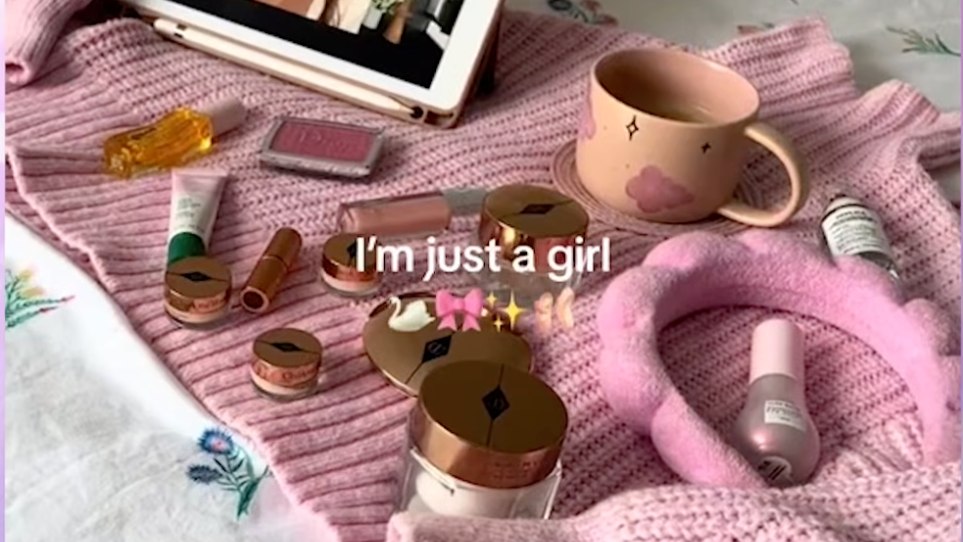
You forget your keys? I'm just a girl. You spend too much money out shopping? I'm just a girl. There’s nothing necessarily sinister about it at first; to some extent, it makes some sense. There is a lot expected of women, and it might feel comforting and ironic to acknowledge the ridiculous expectations placed on us with this phrase.
Source: YouTube
But somewhere along the way, the joke stopped being about the absurdity of those expectations and started being an excuse for the very stereotypes that feminism has spent decades trying to dismantle.
The insult begins with the “just.” It may seem small, but when you really think about it, what a degrading word to throw in when referring to your gender or identity. The word reduces being a girl to something lesser; it almost takes the form of a built-in disclaimer for one's shortcomings. And it isn’t just this word itself that is the problem; it’s what these jokes associate with being a girl.
The thing is, it’s never “I aced my test; I’m just a girl.” The actions associated with being “just a girl” are often incompetence, weakness, and honestly, stupidity. These are mistakes that any human can make, yet we tag the female gender along with them. The joke isn't that a woman has made a mistake; it's that her mistake can be explained by her gender.
In 1995, No Doubt released the song “Just a Girl,” in which Gwen Stefani sings about the limitations imposed on women strictly due to their gender. It's a classic girl-punk song that marked the late 90s with a sense of loud feminism and protest. Stefani uses the god-forsaken phrase in a completely different manner than our present world has taken it, singing lines like:
“I’m just a girl, that's all that you'll let me be,” and, “don’t you think I know exactly where I stand, the world is forcing me to hold your hand.”
So, with an introduction to the phrase like this one, how on earth did we get where we are today?
Now, before the crazy dramatic woman label gets put on me, I do acknowledge that the defense of these jokes is in their irony. No one is actually claiming that women are incapable of performing basic tasks. But irony doesn't erase the implications of a joke. There is a difference between laughing at a stereotype and repeating it, and I’m starting to think that rather than challenging those stereotypes, we’re just making them more palatable.
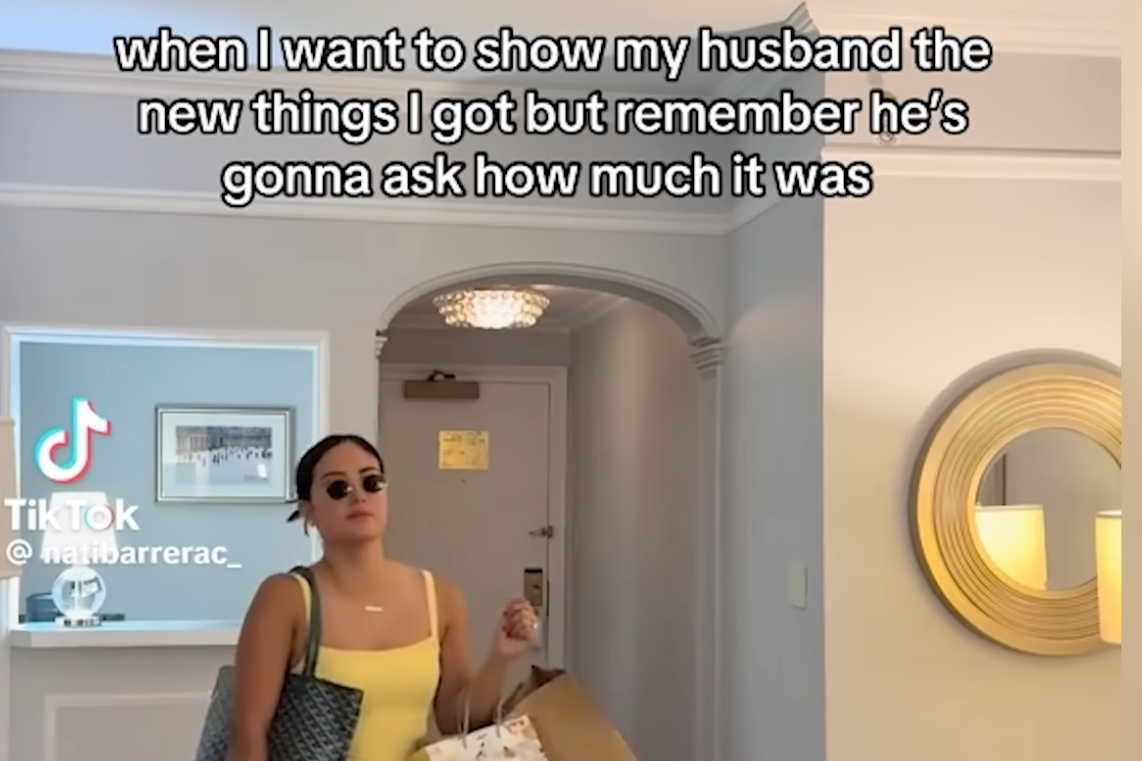
After all, “I’m just a girl” is not a standalone phrase; it invites a multitude of equally annoying jokes. For example, the eye-roll-inducing “girl math” and “girl dinner” jokes. These take on a more specific message, implying that women are incapable of being financially responsible or even making a proper meal for themselves.
Source: YouTube
And perhaps what bothers me most is that this logic rarely seems to work in reverse. We are quite comfortable using “I’m just a girl” to excuse our own incompetence, but where is that same understanding when women are actually vulnerable?
Now, I know this may all seem dramatic. I know that all of these jokes seem insignificant on their own, and perhaps they are. But I can't help wondering when we became so comfortable making ourselves the punchline. There is a large difference between laughing at ourselves and laughing at the very stereotypes we’ve spent generations trying to dismantle. I also struggle to understand how we turned a phrase that was used to challenge the limitations put on women into something we use to make light of them.
Somewhere along the way, the protest became the punchline. I think we owe ourselves a lot more than that as women.
I don't want to be just a girl. I want to be a girl without the word ever making me feel like I am anything less.
What are your thoughts on the phrase? Leave a comment below!