
Which Style of Yoga is Right for You?
This week, I strayed away from my typical Vinyasa flow and took a Bikram yoga class. 105 degrees, 26 poses, for an hour and a half. It was a fabulous workout, and I left feeling refreshed, but it wasn’t quite my speed. That being said, it solidified that Vinyasa yoga is the practice for me!
Everyone has different wants and needs that they are all looking to get from yoga, and there are plenty of styles out there for every yogi! To make finding our practice a bit easier, here are some popular practices and their intended audiences:
Source: Unsplash
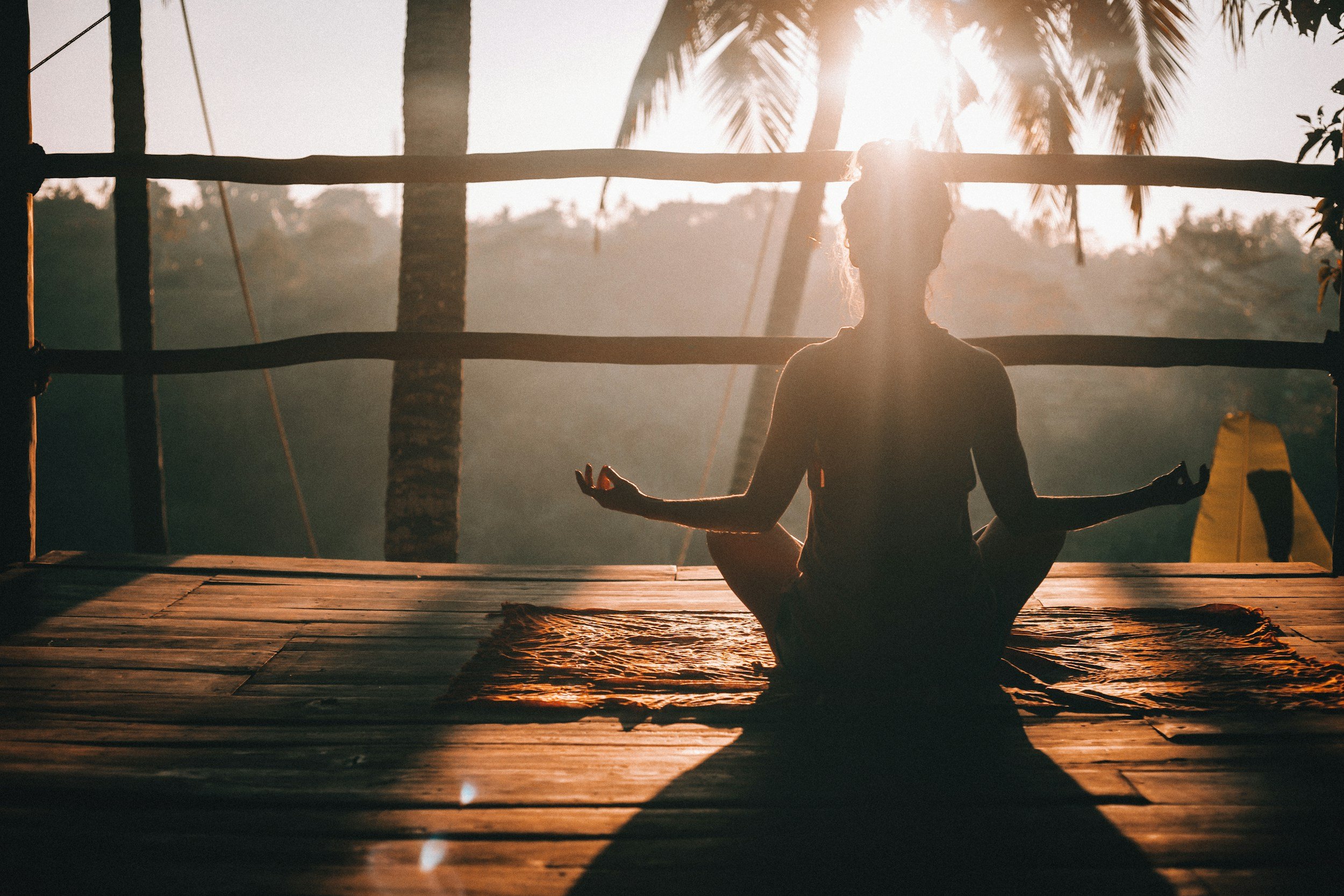
Vinyasa
Vinyasa yoga, sometimes called “flow yoga” or “Vinyasa flow,” has origins in 20th-century India. Sri T. Krishnamacharya, yoga teacher, healer, and scholar, is credited with creating this flow.
The Sanskrit term “Vinyasa” translates roughly as “to place specially”. This method works to connect breathwork into the practice. It typically features a build-up to a peak pose and a cool-down ending in Shavasana. It focuses on not only strength and flexibility, but mindfulness as well.
With flowing sequences accompanied by breath, Vinyasa yoga is dynamic, engaging, and can range in difficulty, It's perfect for someone who wants to focus on the practice's meditation and mindfulness. Those who have taken an interest in breathwork and would like to explore how mind and body are connected may find that this style of yoga is a great introduction.
Former or current dancers may also take a liking to this practice, given the structure and flow of one movement into the next.
Hatha
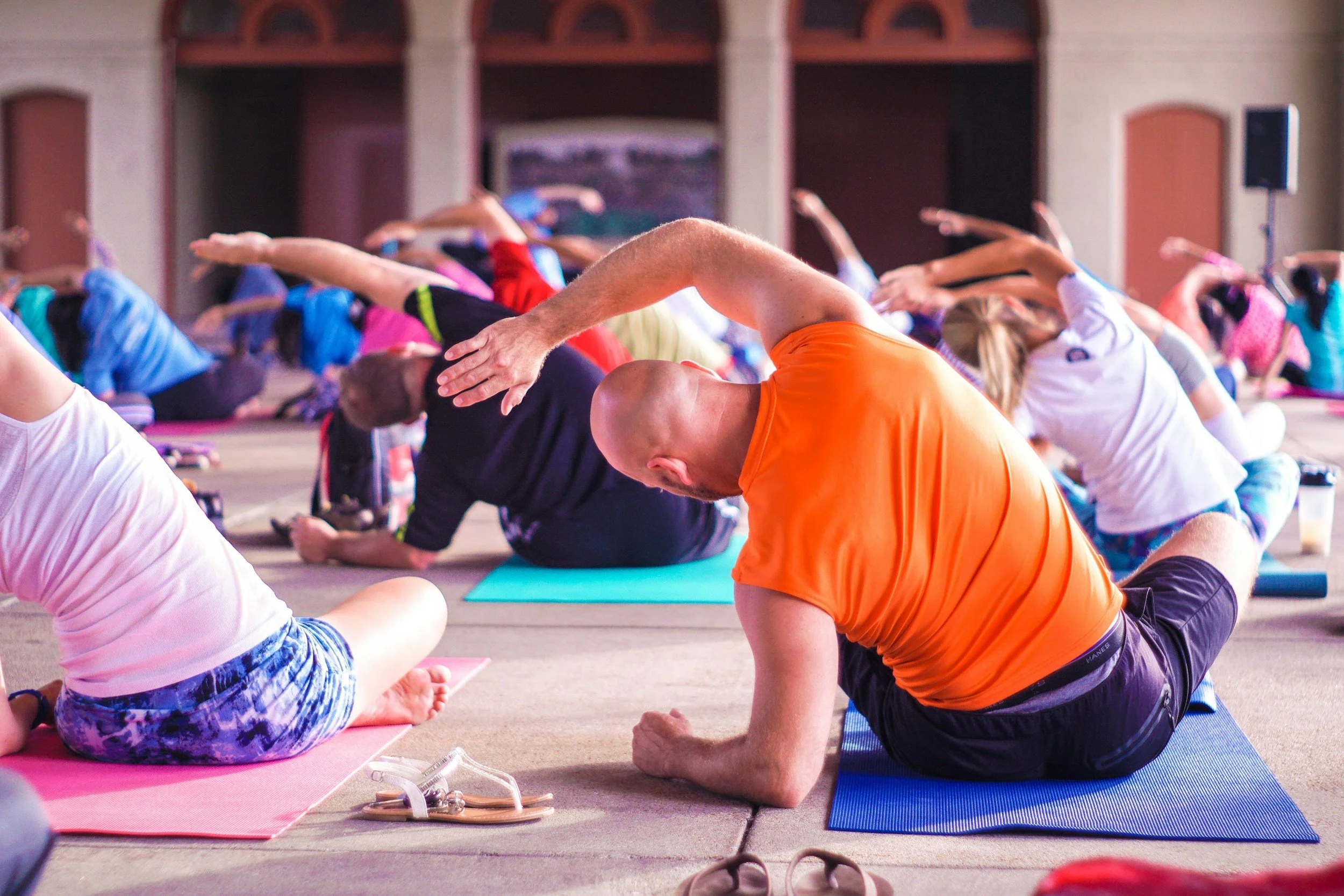
Hatha yoga is an ancient practice originated in India around the 10th–11th century CE. With ties to Buddhism, this style is arguably the most foundational practice, given its slower pace.
Source: Unsplash
Typically pulling from 84 classic poses, a Hatha yoga class is typically around 45-90 minutes. It builds core strength and flexibility, connects mind and body, and aims to reduce stress and balance energies.
This practice is known for being beginner-friendly. Oftentimes, the room is not heated, and there are many Hatha yoga classes aimed towards yogis who are just starting out. Adaptations can be made in this practice as well, like altered poses for those with mobility issues.
Overall, most people can reap the benefits of Hatha yoga, but if you are a beginner, I’d recommend giving this style a try!
Bikram
Bikram yoga, as I mentioned briefly, tends to be quite rigorous, but is very rewarding! The practice was developed in the 70s by Indian-American yoga guru Bikram Choudhury and based on the teachings of bodybuilder Bishnu Charan Ghosh.
Source: Unsplash
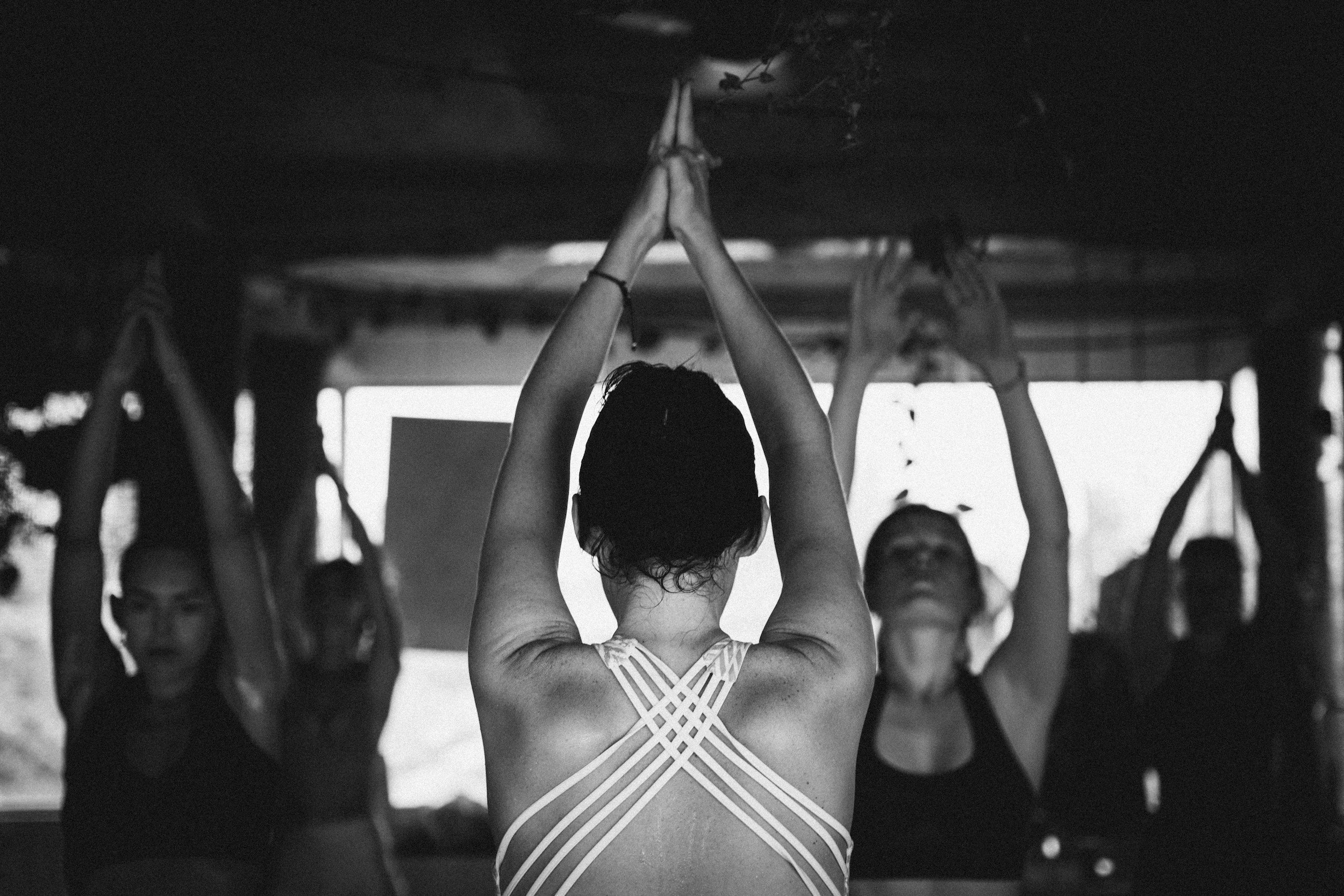
This style of yoga features a set sequence of 26 poses and an additional 2 breathing exercises. A signature trait of Bikram yoga is the toasty 105 degree practice room with 40% humidity, meant to replicate the climate of India. The heat combined with the fixed posing is said to detoxify the body while meanwhile increasing strength and flexibility.
This practice is very straightforward, and always the same– perfect for those with a love for routine and precision. The heat of the room can render the practice quite difficult, so if you hate the heat this style may not be for you.
Bikram welcomes anyone, from beginner yogis to advanced ones! Just be sure to wear breathable clothing, hydrate before class, and come ready to sweat!
Power
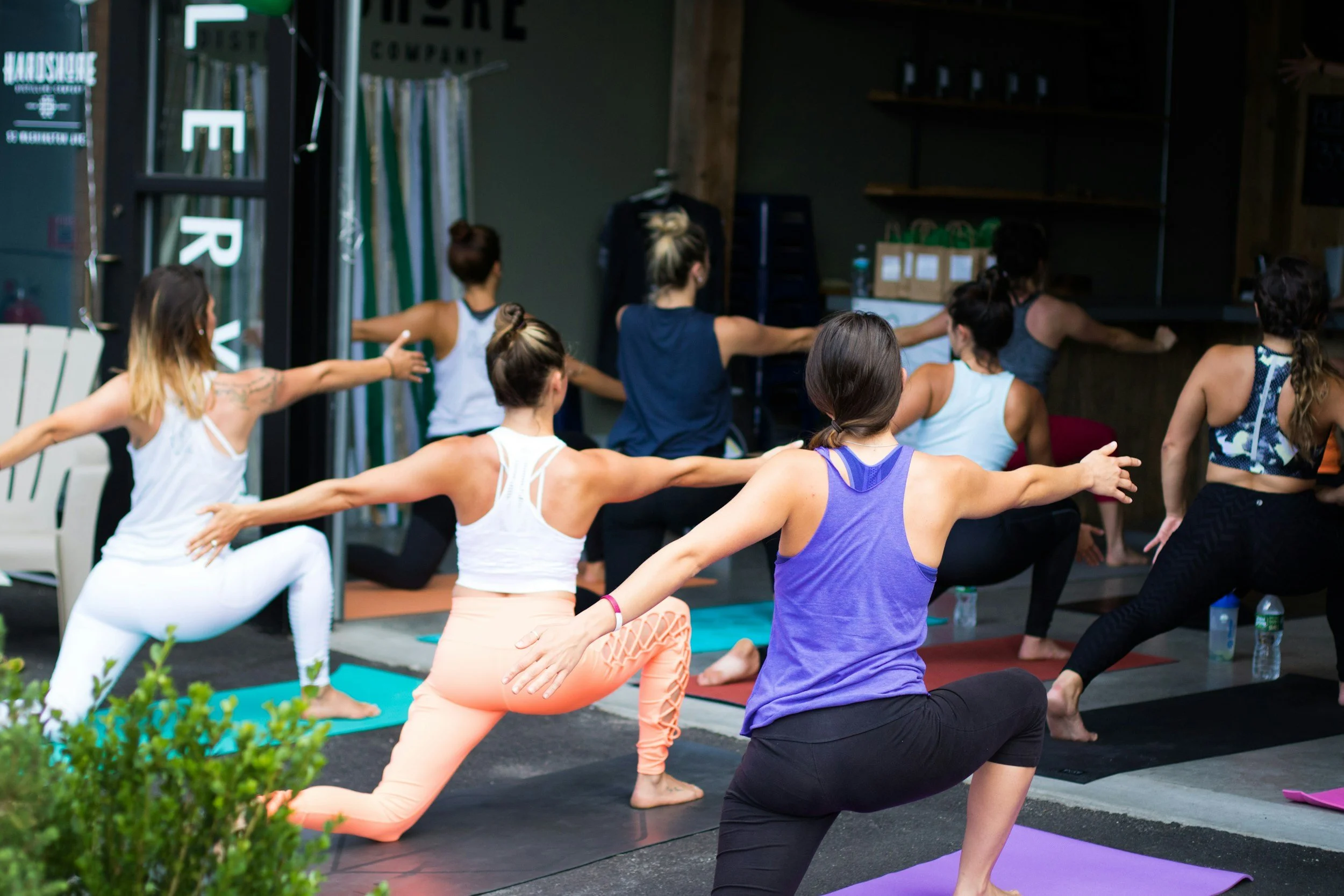
Power yoga reflects exactly what the name tells you! An adaptation of Ashtanga yoga with a Vinyasa-style flow. Power yoga was developed in the 80s by American teachers Beryl Bender Birch and Bryan Kest
Source: Unsplash
This practice is intense and athletic, and functions more as a power-based workout than the more traditional practices. There is a focus on increasing strength and endurance, as Power yoga is essentially a cardio workout!
This practice is best suited for those who are looking for a high-intensity workout with a yoga base. Those who are focused on the fitness side of yoga rather than the mindfulness aspect will take a liking to this style.
Everyone is welcome in Power yoga, though it is not typically regarded as a beginner practice.
Restorative
Source: Unsplash
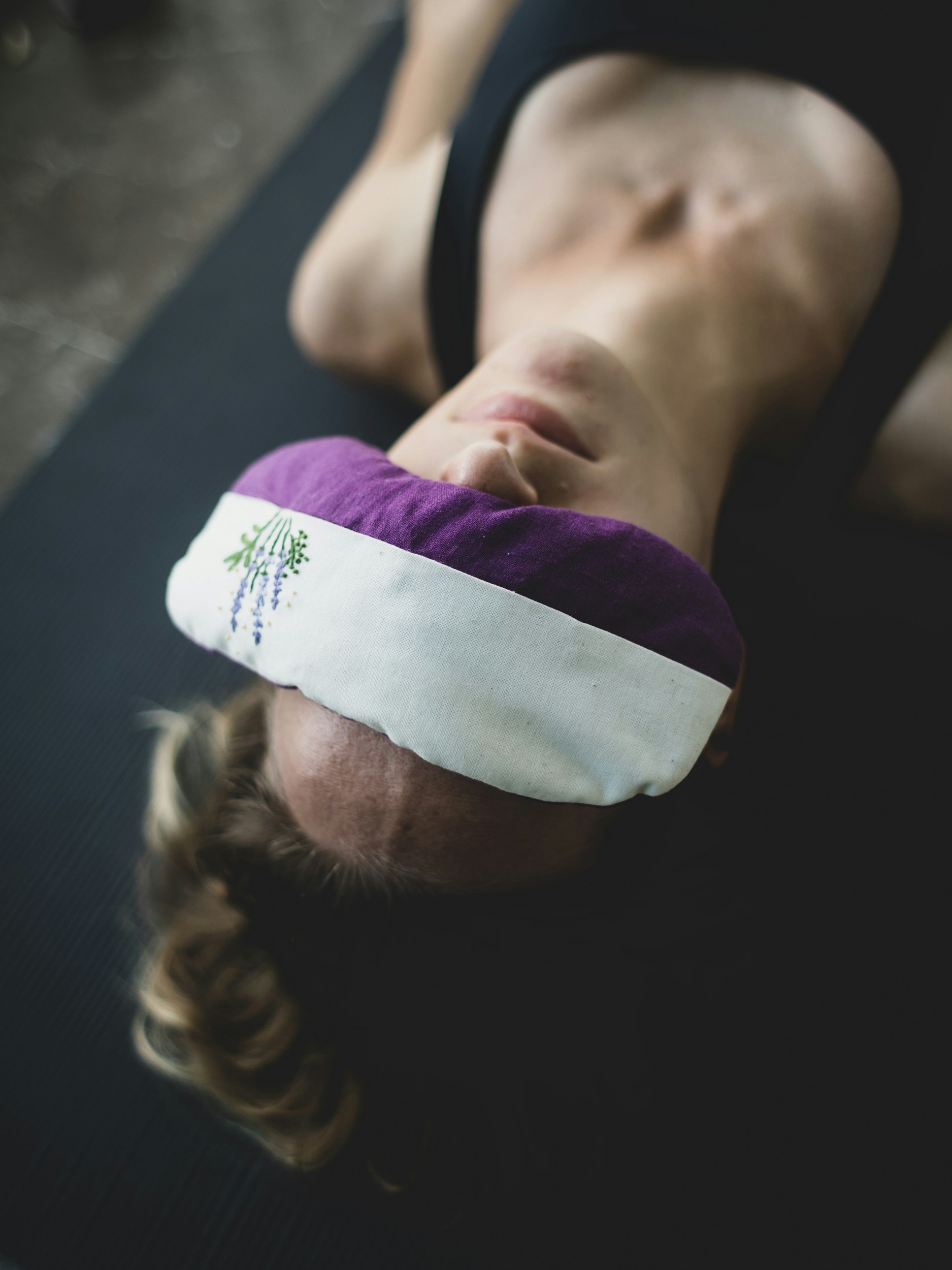
In the mid 20th century, Indian teacher B.K.S Iyengar created restorative yoga to help provide relaxation and recovery to injured students by the use of props and low-impact posing. Deemed ‘active relaxation’, this practice uses tools like blankets, yoga blocks, and pillows to soothe the mind and body and lower cortisol.
The entire practice takes place on the floor and is suitable for all yogis! It is accessible to people of different mobility levels. Nothing is meant to feel uncomfortable or strenuous! The main goal is to relax and calm your mind while gently increasing flexibility.
Whether you are injured and looking to stay active during recovery, or a fitness buff looking to add balance to their workout routine, restorative yoga is a universal practice and welcomes all!
Which style of yoga are you going to take? Comment below.