
Ethical Engagements: Lab-Grown vs. Mined Diamonds
A big topic of discourse recently is the lab-grown vs. mined diamond debate. These jewels will always be in demand, no matter the sourcing, but is one more sustainable option than the other?
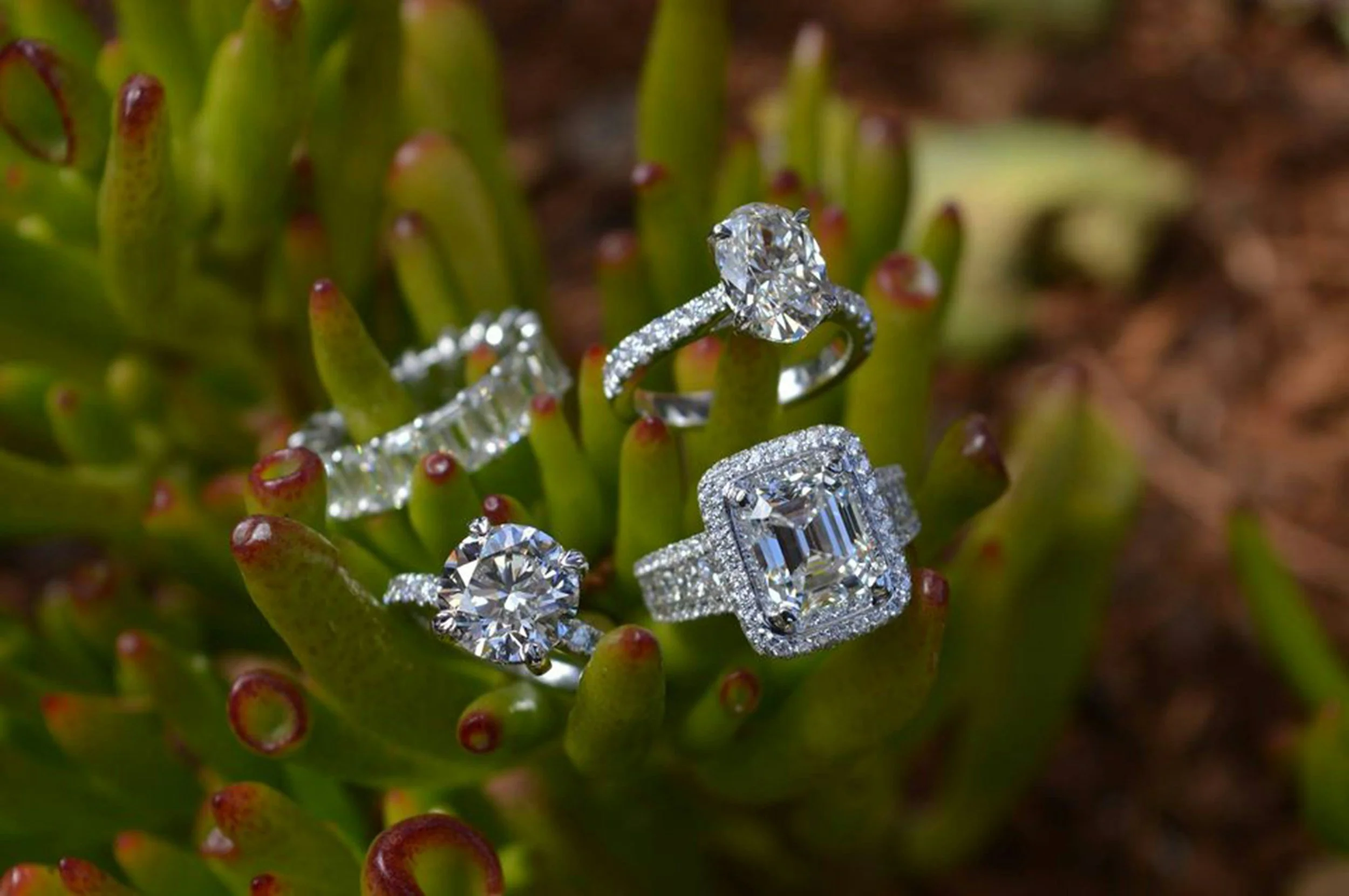
Lab Grown Diamonds
1954 was the birth year of the lab-grown diamond. Using the High-Pressure High-Temperature (HPHT) method, these artificial stones revolutionized the commercial jewelry market.
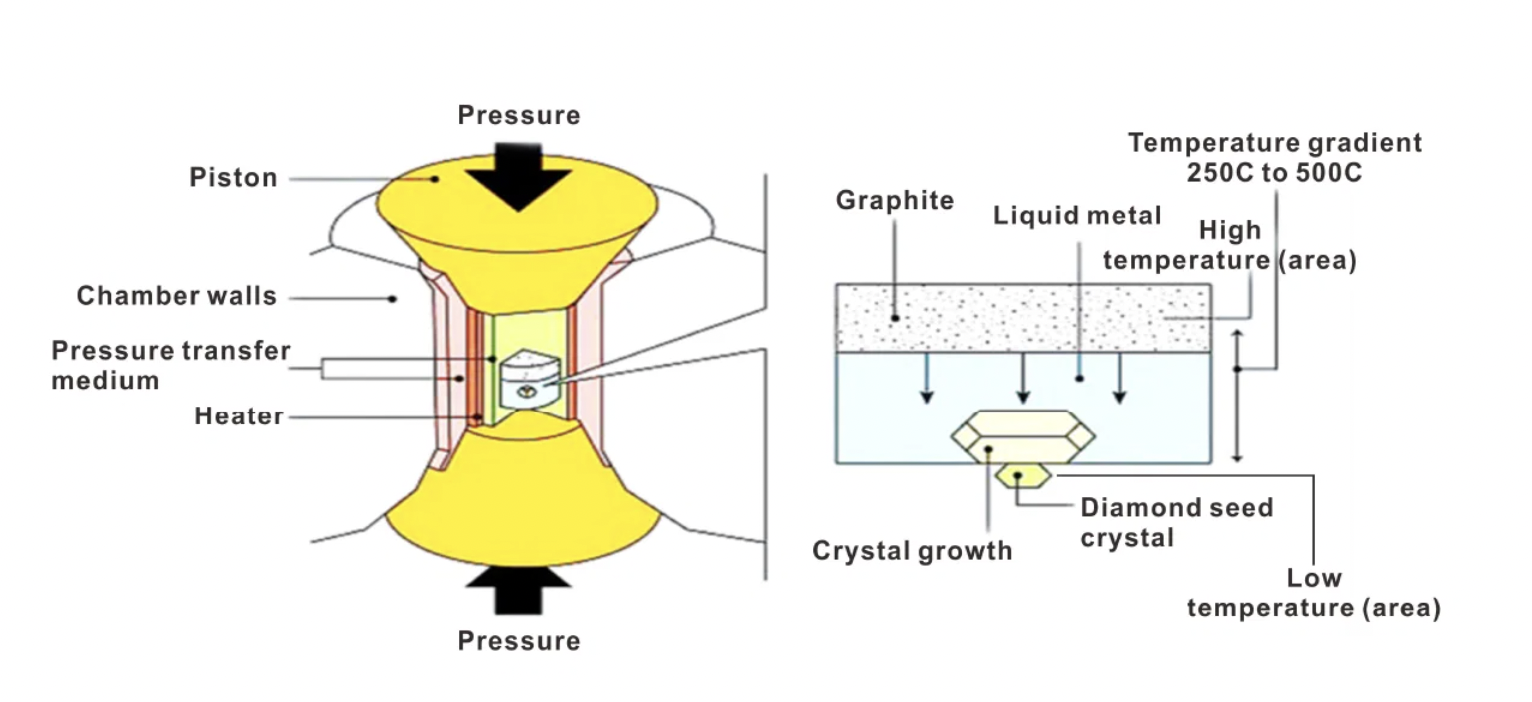
Diagram of how lab-grown diamonds are made. Credit: Loose Grown Diamonds
These man-made diamonds are identical to their mined counterparts. They are both created by compressing pure carbon at extremely high temperatures and pressures.
These gems are often regarded as a more sustainable alternative to those from the mines– but it isn’t quite as simple.
Lab-grown diamonds still have a carbon footprint. Their creation is not without an immense amount of fossil fuels. Their production is often in coal-dependent regions, and can be accompanied by the emission of greenhouse gases.
Diamonds grown in a lab are incredibly greenwashed, yes, but are they still an ethical alternative to the latter?
Mined Diamonds
There is a major ethical concern in the diamond industry. Jewelry purists feel the need to wear a natural stone to decorate their ring finger. They look down upon lab-grown diamonds and opt for a mined jewel.
But are they aware of who is collecting these natural diamonds?
Child labor persists in diamond mines. War-torn countries take advantage of impoverished children, and instead of helping them get back on their feet, they force them to earn a living in the mines, in some cases, being paid as little as 4 dollars a day.

Source: Unsplash
The demand for these jewels keeps these children in hostile positions that wreak havoc on their health.
They inhale dust and debris on a daily basis, pollute their lungs and, on some occasions, cause disease that greatly reduces life expectancy.
There is also, of course, the sustainability concern that comes along with these diamonds.
Diamond mining is incredibly disruptive to our environment in almost every way. Biodiversity and ecosystem devastation, deforestation, land degradation, and increased carbon emissions are just a few of the many concerns brought on by these practices.
Gen Z & Millennials Push Back
Newer generations are saying “no” to mined diamonds and opting for lab-grown jewels. The Knot reports that this year, 6 out of 10 engagement rings are lab-grown. This number has been on a steady incline for years, and this is the highest rate we’ve ever seen. In 2019, it was a mere 12%!
Not only are these gems more sustainable than their counterparts, but they are also much cheaper. Lab-grown diamonds, on average, cost 70% - 90% less than traditional, mined diamonds. Younger couples with less disposable income are going to reach for the cheaper option.
Sustainability is an added perk, as Gen Zers and Millennials are known to take this into account when making purchases.
There will always be a demand for diamonds. They are a meaningful symbol of love, and a style in jewelry and accessory culture. Both industries will continue to be full steam ahead– leaving consumers to make the choice between mined and lab grown.
Do you think there is a lesser of the 2 evils? Which will you choose? Leave a comment below.